

Hook: Did you know that up to 30% of “vintage” apothecary bottles sold online in the last year were actually modern reproductions, not treasures from the past? The difference isn’t just about age—spotting authenticity can transform your shelf from mere decor to a personal piece of history
“One vintage apothecary bottle can transform an ordinary shelf into a piece of living history — if you know what to look for.”
What You’ll Learn About Vintage Apothecary Bottles
- How to identify authentic vintage apothecary bottles and spot reproductions
- Dating glass bottles by color, seam, label, and form
- Different types of medicine bottles and apothecary jars for display
- Display safety tips and the ‘collected, not cluttered’ shelf philosophy
- Beginner collector guidelines, red flags, and essential care
What Are Vintage Apothecary Bottles? Quick Definitions & Origins
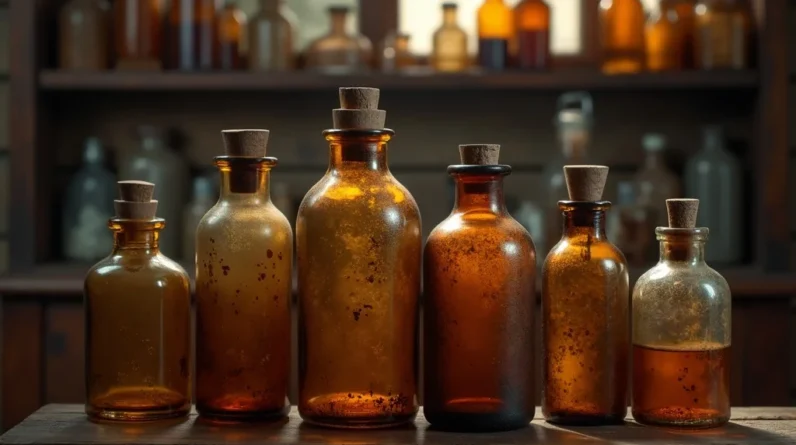
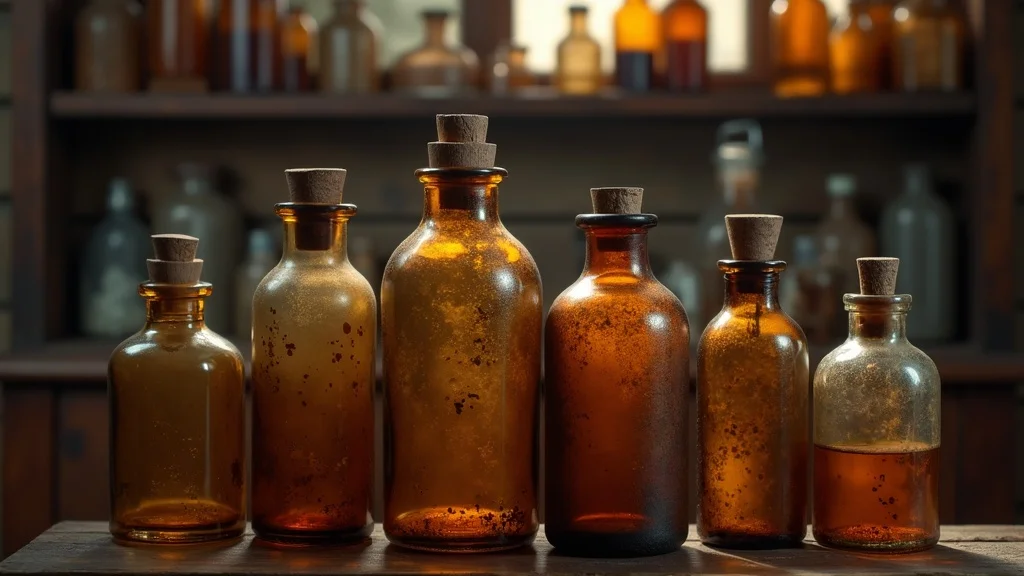
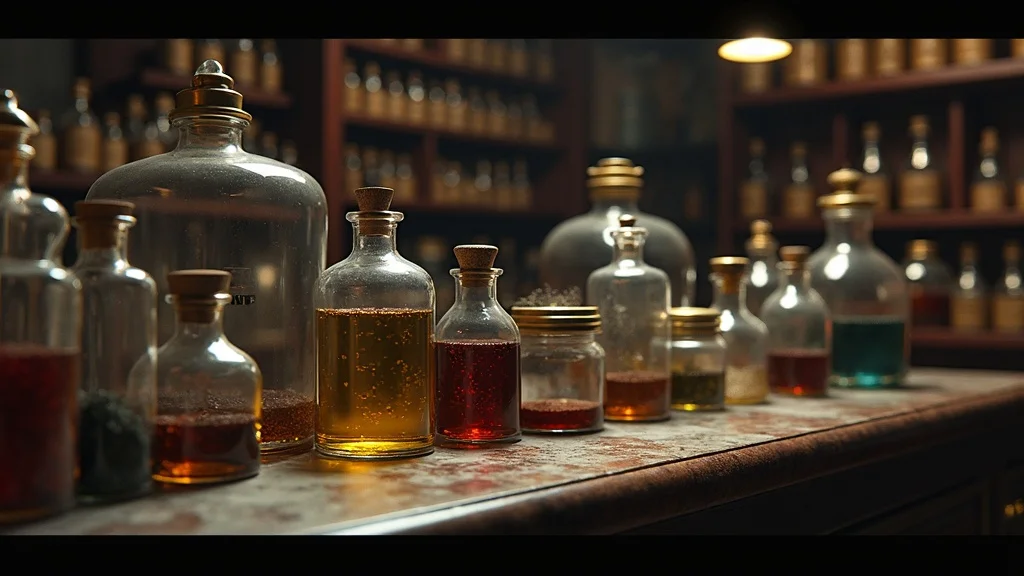
Vintage apothecary bottles represent a fascinating cross-section of history, science, and design. These glass bottles—ranging from slender medicine bottles to bulbous apothecary jars and peculiar specimen containers—were essential tools in 19th- and early 20th-century pharmacies. For the modern collector or decorator, understanding the subtle (and sometimes not-so-subtle) differences between these containers is central to curating a safe, visually rich shelf. Vintage apothecary bottles are not simply relics; they are functional art pieces that showcase advancements in glassmaking, shifting approaches to healthcare, and even the aesthetics of laboratory and commercial branding. Authentic apothecary jars often feature distinctive stoppers, labels with aged paper, and patterns reflective of their manufacturer and era. Meanwhile, medicine bottles—often smaller and plainer—tell stories of everyday remedies, household cures, and the era’s approach to health and wellbeing.
Many original apothecary jars can be traced to specific regions or famous pharmacies, while others are more mysterious, lacking clear provenance but brimming with visual appeal. The rise of the glass bottle in the late 1800s, particularly with the widespread use of cobalt blue and amber glass, marked not only a leap in container safety but a whole new palette for collectors. As you explore the world of jars and vintage medicine bottles, you’ll see echoes of Victorian, Edwardian, and Art Deco design—each with its telltale traits and collector appeal.
Glass Bottle, Medicine Bottle, and Apothecary Jar Explained
- Apothecary Jars: Larger, meant for bulk storage on pharmacy shelves; often adorned with ornate labels and glass stoppers. Their glass is typically thicker, sometimes colored or frosted, and shapes can vary from wide-mouthed to elegant urn styles.
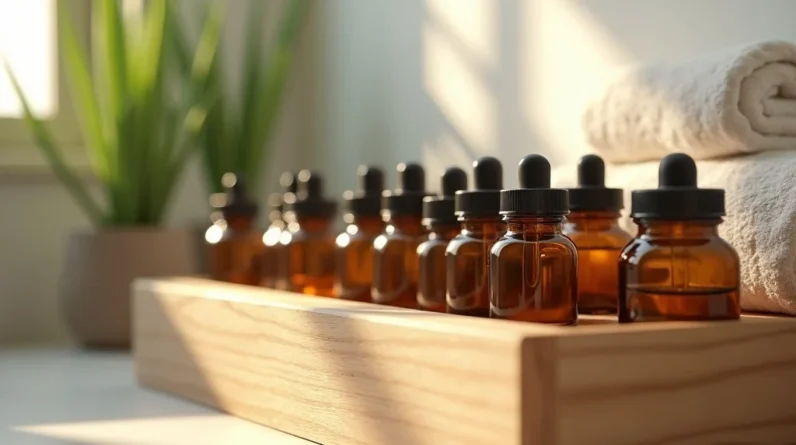
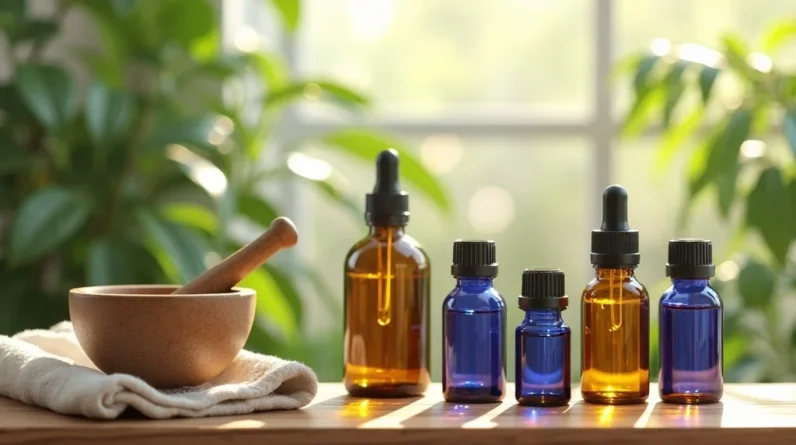
- Medicine Bottles: Smaller, utilitarian, originally for dispensing dosed-out remedies. These glass bottles often have embossed markings, built-in droppers or corks, and are found in hues like clear, amber, or the coveted cobalt blue.
- Specimen Bottles: Used for laboratory storage, sometimes featuring ground-glass stoppers or etched measurements. These did not always transition to decorative use but now find their place among “dark academia” displays or “witchy but everyday” decor.
“Every glass bottle tells the story of its contents, its maker, and the hands that used it — and no two are truly identical.”
Spotting Authentic Vintage Apothecary Bottles vs. Reproductions
And labels? Their aging process leaves unmistakable clues, from paper texture to typography style and even the “ghost” patina where liquid once touched the glass
But the dangers of buying reproductions aren’t just cosmetic. Inauthentic bottles can contain modern chemicals in their patinas—not ideal for a collection you want to keep safe and stylishly “collected, not cluttered.” Always ask for provenance, detailed photos, and—if shopping for a statement piece—consider the seller’s return policy. Let’s break down the authentic-vs-repro formula in a simple checklist, and review the specialized table below for quick reference on seams, color, label, and more.
Checklist: How to Recognize Real Antique Apothecary and Medicine Bottles
- Look for age marks: Seek out pontil scars at the base, bubbles within the glass, or uneven thickness—imperfections common with historic glass bottle production.
- Inspect seams: Hand-blown glass bottles often have minimal or uneven seams, unlike modern machine-made apothecary jars and vintage medicine bottles.
- Decoding labels: Typography, faded ink, aged adhesive, and genuine patina help separate true antiques from freshly made “vintage” labels.
- Surface clues: Cobalt blue and amber glass bottles from authentic periods display subtle fading, spectrum color, or mineral deposits—not synthetic sheen.
- Red flags for reproductions: Overly uniform glass, sharp labeled contrasts, and surprisingly lightweight bottles are all warning signs.
| Feature | True Vintage Apothecary Bottles | Reproductions |
|---|---|---|
| Seams | Hand-finished or subtle | Machine-perfect |
| Color | Varied, rich hues, possible fading | Uniform, lacks patina |
| Label | Aged paper, classic type | Fresh, modern print |
| Bubbles/Marks | Common, especially pre-1900 | Rare or artificial |
| Weight | Substantial, irregular | Light, even |
Dating Vintage Apothecary Bottles: Glass Clues and Historical Context
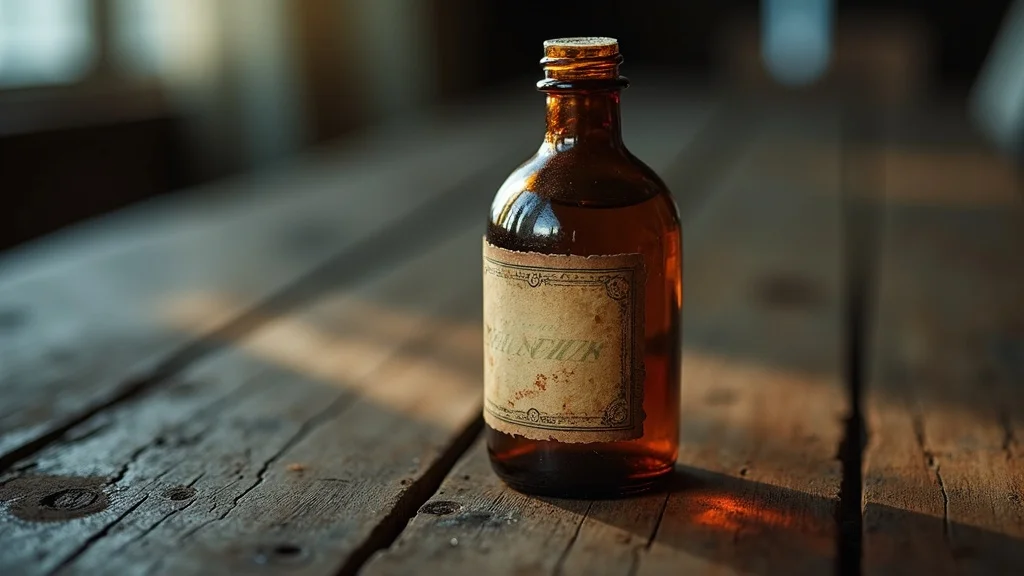
For those eager to trace a bottle’s journey through time, understanding the technical and stylistic subtleties of vintage apothecary bottles is critical. Seam placement, stopper design, glass colors, and label artistry—these are not just visual cues; they are tangible links to specific historical eras. Hand-blown and early machine-made bottles often reveal their age through uneven seams or pontil marks; later machine-standardized glass (post-1920s) is smoother and more uniform. Likewise, stopper styles evolved—ground glass or cork for the 19th century; Bakelite and pressed glass for Deco-era pieces. Cobalt blue glass bottles saw big popularity from the 1890s through the 1930s, lending dramatic color and extra UV protection. Amber glass bottles, often used for more light-sensitive remedies, tend to be from the late Victorian and Edwardian periods.
Label style is another invaluable dating tool. Victorian labels favor lush script and ornate borders, while Edwardian and Art Deco glass bottle labels grew plainer, favoring bold sans-serif typography or geometric forms. Logos and maker’s marks—sometimes molded directly into the glass—offer location, brand, and even pharmaceutical affiliation. For collectors, comparing these features to reliable reference charts or trusted sellers’ archives builds confidence when purchasing vintage medicine bottles or rare jars. To deepen your knowledge, see the video guide below highlighting period-specific clues in seams and labels.
Tell the Age: Seams, Stops, Colors, and Forms
- Using seams and stopper types: Hand-blown = up to 1880s; mold-made = 1900s to 1930s; fully automated seams denote post-1920s bulk-manufacture.
- Color popularity: Cobalt blue (1890-1930s), clear and aqua (throughout), amber (Victorian through early 1900s). Each reflects glassmaking innovations and pharmaceutical needs.
- Label styles by era: Ornate Victorian through Art Deco—watch for fonts, layout, and ink fade.
- Maker’s marks and logos: Embossed or molded stamps—use antique bottle reference guides for identification.
Video Guide: Identifying the age of glass bottles and apothecary jars by seams and labels (see trusted collector channels for demonstrations).
Beginner Collector Rules: Tips for Buying and Displaying Vintage Apothecary Bottles
Stepping into the world of vintage apothecary bottles is both thrilling and a little daunting. The sheer variety—the colors, the quirky forms, the elusive labels—can tempt a beginner into overbuying or accidentally purchasing less-than-authentic pieces. The core of a great collection is defined by the “collected, not cluttered” rule: select bottles that add historical and visual richness, but leave space for airflow and light. Safety is paramount—avoid bottles with chipped mouths or questionable residues. Always ask sellers for clear provenance, high-resolution photos (especially of seams, labels, and stoppers), and transparent return policies. As you start your search, look for the classic workhorses: a sturdy amber medicine bottle, a slender clear apothecary jar, maybe a beautiful blue specimen bottle for dramatic contrast. Build up piece by piece, ensuring each bottle earns its space on your shelf.
Even experienced collectors can find learning moments—especially when confronted with a beautiful reproduction that boasts all the cosmetic touches of an antique, minus the honest wear and era-correct details. Never hesitate to consult reference materials or reach out to reputable dealers before finalizing a purchase. It’s better to ask questions now than regret an impulsive buy later! Below, explore essential do’s and don’ts, watch for red flags, and jot down display formulas for your modern gothic or “witchy but everyday” shelf style.
Essential Do’s and Don’ts for Medicine Bottles and Apothecary Jars
- “Collected, not cluttered”: Limit your display to 5–7 bottles per shelf, using varying heights and shapes but leaving visible gaps for a curated look.
- Safety tips: Don’t use for food or drink; handle aged glass carefully and not around children or pets; avoid bottles with powdery residues or liquids inside, unless professionally evaluated.
- What to ask sellers: Provenance, multiple high-res photos (details of top, base, label, and any marks), and their return or authenticity policies.
- Starter set suggestions: Begin with one each of: classic amber medicine bottle, cobalt blue specimen jar, clear glass apothecary bottle, and a labeled Victorian- or Edwardian-style jar.
- Top 5 red flags when shopping online for vintage apothecary jars:
- Suspiciously low prices or no provenance details
- Uniform “aged” appearance on entire set (likely reproductions)
- Fresh, modern label print quality
- No visible air bubbles, seams, or glass irregularities
- Lack of clear return or authenticity policy
- 3 classic display formulas:
- Modern gothic: minimal bottles, all black/clear/amber, few dramatic props (botanical element, antique label, simple riser)
- ‘Witchy but everyday’: group a botanical jar, a labeled apothecary jar, and a “potion” style bottle with subtle candlelight
- Victorian study: mix clear, frosted, and amber colored bottles with a magnifying glass and handwritten “specimen” labels
“For every reproduction passed off as old, there are tell-tale clues—the true collector’s flashlight never lies.”
Displaying Vintage Apothecary Bottles: Safety, Styling, and Collectors’ Tricks
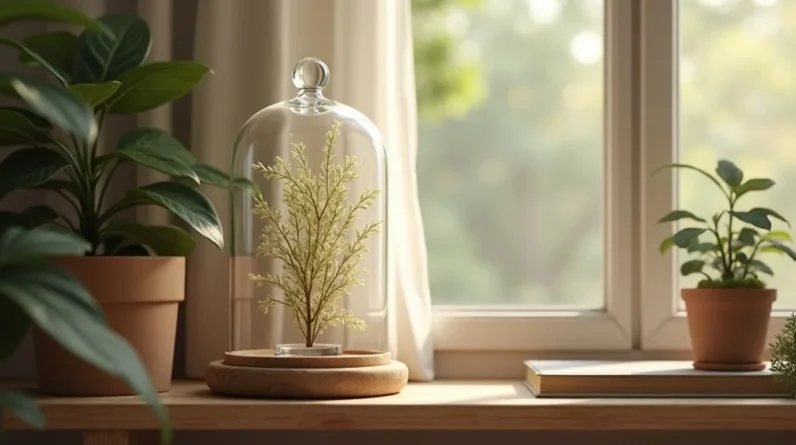
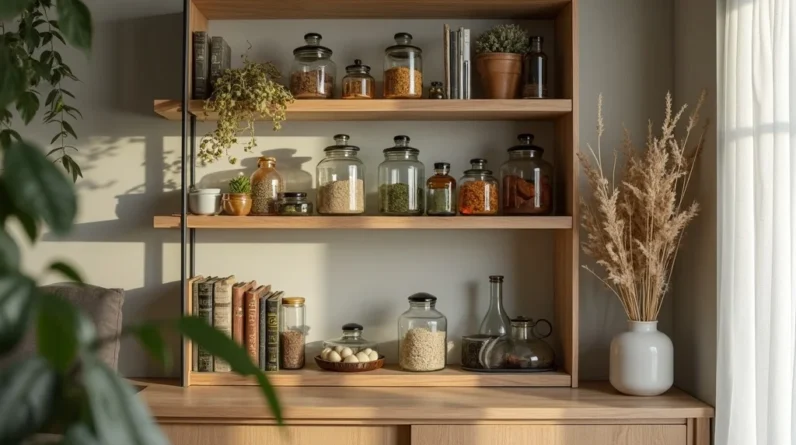
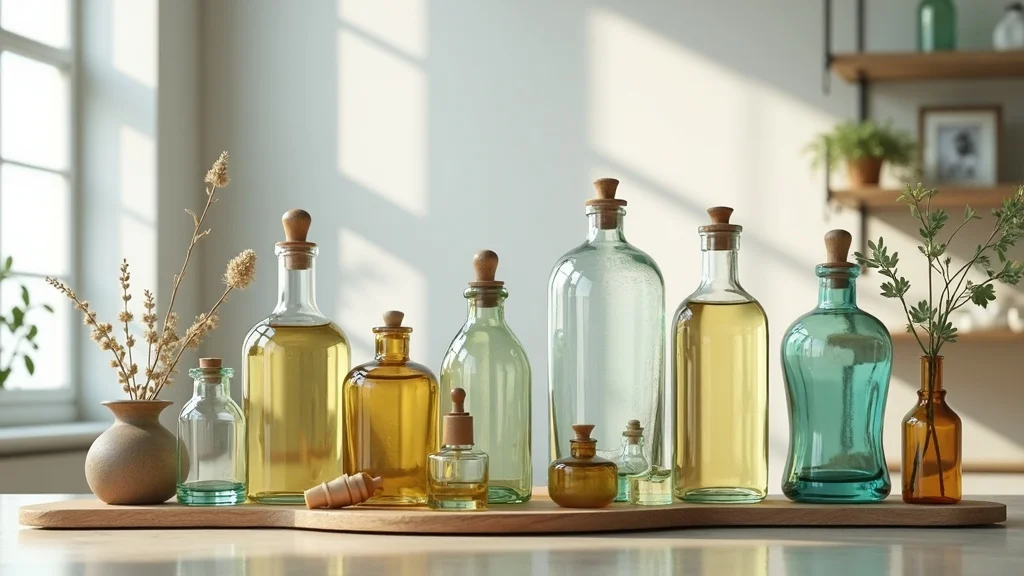
Whether you’re channeling a Victorian laboratory or a dark academia library, how you display your vintage apothecary bottles can elevate your space from interesting to unforgettable. The key is restraint and a nod to museum-level presentation: use ample negative space, group bottles by color or theme, and spotlight statement pieces under soft or indirect lighting. A shallow shelf, glass cloche, or small archival case can transform a few medicine bottles into a “tiny exhibit”—complete with context-giving props like botanical samples, vintage labels, or antique medical instruments. Always use soft LED or indirect daylight to highlight glass hues and patina without risking fading. Spacing is not just a style tip; it helps protect fragile items from bumps and breakage.
Professional collectors and stylists recommend the “group in odds” principle—threes, fives, or sevens—for both visual interest and practical space. Experiment by arranging bottles by height, color, or even by pharmacy specialty (botanical, lunar, nautical, Victorian study). Cloches and domes aren’t just for luxury displays—they keep dust off delicate labels and add narrative, turning each bottle into a conversation piece. And before setting those bottles in public reach, double-check for stability, safe placement (far from edges), and clean surfaces. See the table below for a museum-inspired reference guide.
How to Create Museum-Style Exhibits with Apothecary Jars and Medicine Bottles
- Lighting: Enhance glass bottle colors with soft, indirect light or dedicated LEDs. Avoid harsh direct sunlight to protect patina and old labels.
- Styling with restraint: Limit the number of bottles per group, leaving visible gaps and using props sparingly—think a botanist’s shelf or a Victorian “cabinet of curiosity.”
- Grouping by theme: Sort by era (Victorian, Edwardian, Deco), use labels to tell a story (e.g., lunar potions, botanical elixirs), or blend clear and colored glass for specific moods.
- Using cloches and archival props: Create tiny exhibits—bottle, label, and one relevant object (pressed flower, small magnifier) under glass for intrigue and dust protection.
 Video walkthrough: Styling a shelf of vintage apothecary bottles, with notes on lighting and safe handling (consult collector channels for demos).
| Display Element | Why It Matters | Best Practice |
|---|---|---|
| Spacing | Prevents overcrowding, protects bottles | Use risers and leave gaps |
| Lighting | Shows color/patina, protects from fading | Soft LEDs, avoid direct sun |
| Labels/Props | Adds context/story | Archival-quality paper; subtle cues |
| Cloche/Dome | Museum feel, dust protection | Group in threes or odd numbers |
People Also Ask: Vintage Apothecary Bottles
What are the most sought after antique bottles?
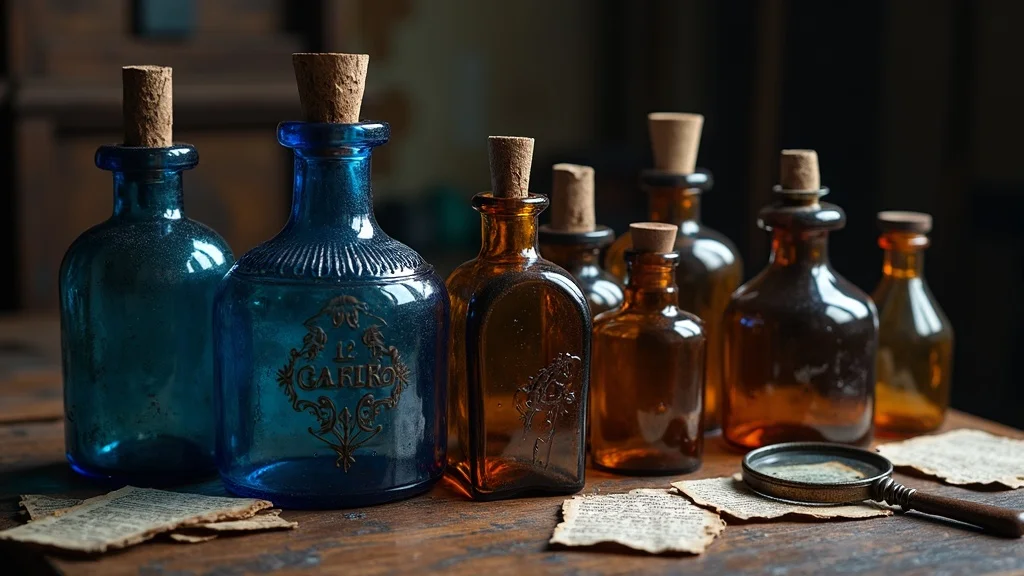
Among vintage apothecary bottles, cobalt blue poison bottles (often embossed with skull designs), hand-embossed Victorian medicine bottles, and ornate labeled apothecary jars rank as the most sought-after. Collectors specifically prize bottles with rare maker’s marks or unique stoppers. Bottles tied to “famous” pharmacies or with pristine, original paper labels also command higher values. Cobalt blue and amber bottles from the 19th century are perennial favorites, especially those in odd shapes or with scientific provenance.
What are apothecary bottles called?
Apothecary bottles are also referred to as medicine bottles, specimen jars, and in some regions, pharmacy bottles or chemist’s bottles. Larger ones are “apothecary jars,” while smaller, dosed-out versions are simply “vintage medicine bottles.” In specialized circles, you might hear terms like “pharmaceutical glassware” or “chemist’s vials.”
How do I know if my bottles are valuable?
The value of a vintage apothecary bottle depends on signifiers like age (pre-1900 especially), unique embossing, original label quality, rarity of the color (especially cobalt blue, deep green, amethyst), and provenance. Bottles in perfect condition with rare shapes, colors, or historical association (famous pharmacies, scientific expeditions) also rate highly. Consulting antiques guides or valuation specialists can confirm rarity and market value.
How to clean old apothecary bottles?
Clean vintage apothecary bottles gently using lukewarm water, a drop of mild soap, and a soft bottle brush. Avoid harsh chemicals or abrasive scrubbers, as these can remove patina, cloud glass, or damage old labels. For persistent stains, use a vinegar soak. Always dry bottles thoroughly and keep away from direct sunlight to protect their color and historical integrity.
FAQs: Vintage Apothecary Bottles, Jars, and Medicine Bottles
- Are antique apothecary jars safe for food storage?
No—historic jars often contain invisible residue or were made with materials unsafe for modern food use. Use only for display. - Can I remove stains without harming the value?
Yes, but only with gentle methods—avoid abrasive cleaners, and never peel old labels. Light vinegar or warm water soaks are safest. - What’s the difference between ‘vintage’ and ‘antique’ in bottles?
“Antique” refers to bottles over 100 years old. “Vintage” includes pieces 20–99 years old; both have collector appeal but vary in value. - How do I avoid buying a reproduction?
Inspect bottle seams and labels closely, ask sellers for provenance and clear, close-up photos, and buy from reputable dealers where possible.
Key Takeaways: Collect, Style, and Protect Vintage Apothecary Bottles
- Prioritize authenticity and ethical collecting practices
- Follow the ‘collected, not cluttered’ approach to shelf styling
- Inspect for real signs of age—trust the tactile clues
- Display with attention to lighting, spacing, and safety
- Consult trusted dealers and sellers for provenance and guidance
Ready to Build Your Collection?
If you’re ready to curate your own “cabinet of curiosities,” start with a single authentic apothecary bottle—or browse dedicated vintage medicine bottle categories for inspiration. Follow the “collected, not cluttered” mindset, and let each acquisition speak to your own aesthetic story.