

Did you know online searches for “Victorian Gothic decor” have surged by over 200% in the past year? It’s a movement that’s popping up from TikTok moodboards to high-end interior design, yet it isn’t about haunted mansions or Halloween props
The Enduring Allure of Victorian Gothic Decor: A Surprising Renaissance
“Collected, not cluttered”—this philosophy drives today’s Victorian Gothic decor revival. While heavy drapes, intricate wall sconces, and jewel-toned velvets once adorned grand Victorian homes and candle-lit libraries, these same features are being selectively invited into modern apartments and compact studios. Search interest in gothic home decor, dark academia accents, and authentic victorian gothic pieces is especially high among millennials and Gen Z, who want a home decor collection that feels personal and tells a story.
No longer confined to gothic mansions or seasonal displays, Victorian Gothic decor is recast for modern home settings—think a single ornate candle holder acting as a conversation starter, or a gothic gallery wall above a cozy reading nook. With a rising focus on vintage authenticity, careful curation, and ethical collecting, today’s enthusiasts value moody drama with mindful restraint. This helps transform your space into an evocative, highly original retreat, no matter how small your living room or dining room may be.
Did You Know? Victorian Gothic Decor Is Experiencing a 200% Surge in Online Searches
Victorian gothic decor’s dramatic resurgence isn’t just a fleeting hashtag—it reflects a real hunger for home decor that balances rich history with hands-on creativity, especially in urban spaces where every shelf counts.
What You’ll Learn About Victorian Gothic Decor
- The roots and evolution of Victorian Gothic decor
- Essential elements for authentic gothic home decor
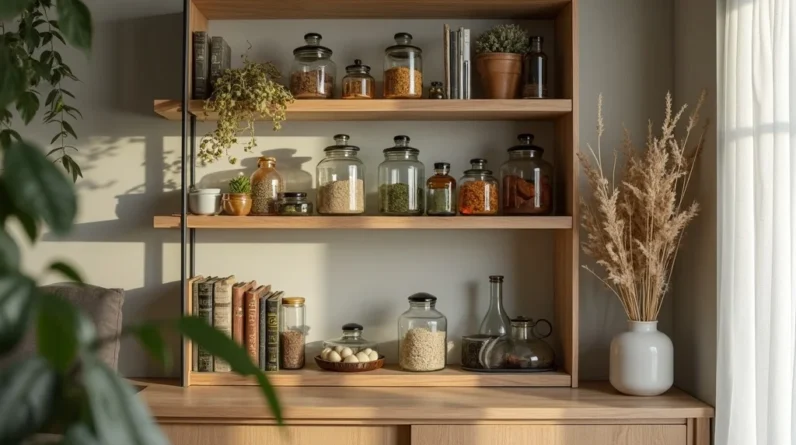
- Practical shelf styling and display tips for small spaces
- How to start your Victorian Gothic collection with confidence
- Mistakes to avoid and tips for safe, ethical collecting
Defining Victorian Gothic Decor: Past Meets Present
What is Victorian Gothic decor?
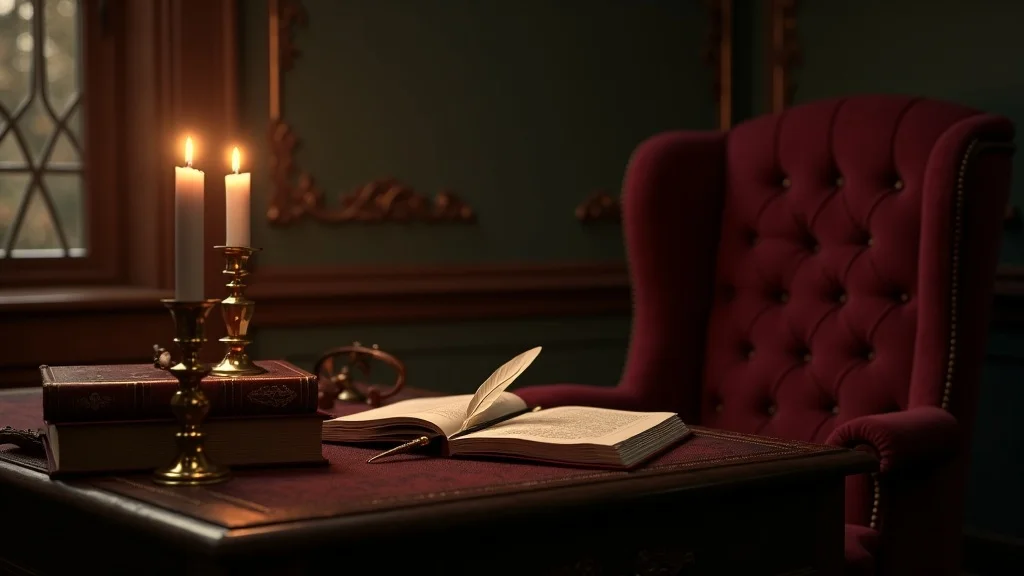
Victorian Gothic decor combines the lush, romanticism of Victorian style with the intrigue and subtle mystery of gothic home decor. It’s not about over-the-top spookiness or gothic clichés; rather, it’s a thoughtful mix of dark wood, ornate mirror frames, candle holders, rich tapestry wall art, and rare books—arranged to evoke history, curiosity, and a dash of moody drama. This style’s collected—not cluttered—look means prioritizing craftsmanship, authenticity, and intentional display over indiscriminate accumulation.
What is Victorian Goth style?
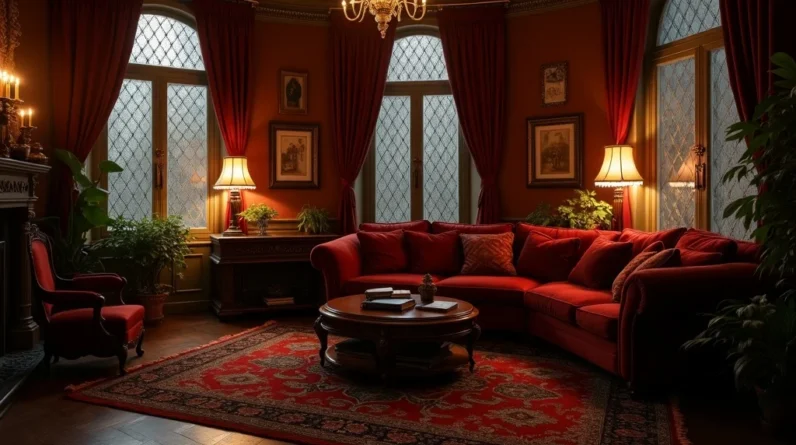
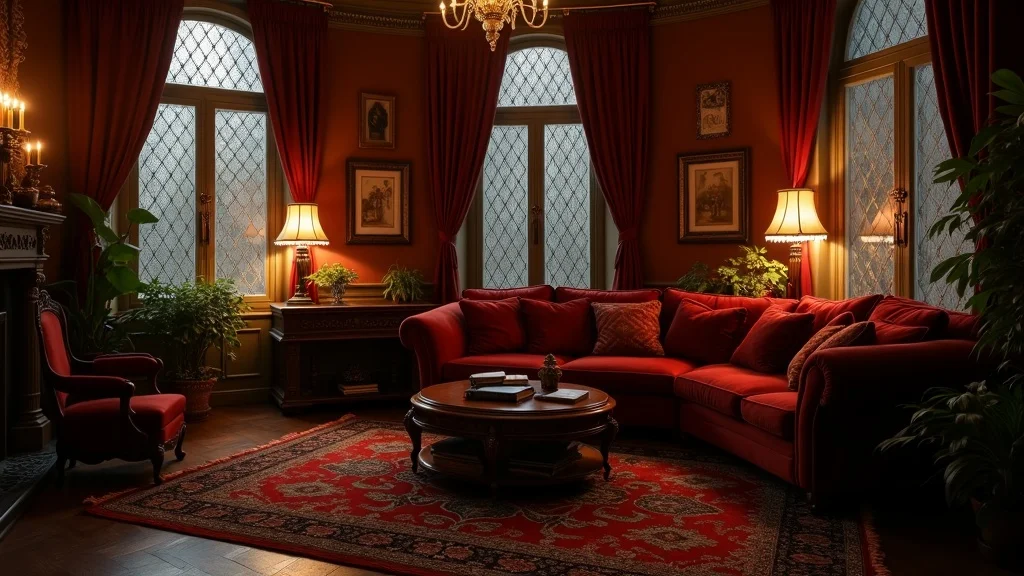
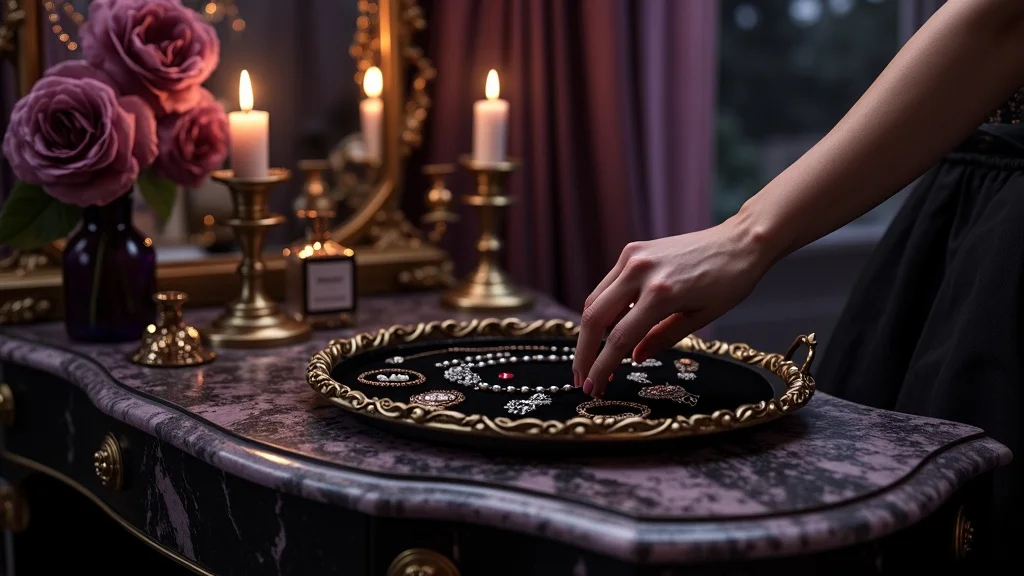
Victorian Goth style takes the best of Victorian gothic decor and layers in influences from classic literature, botanical art, and even gothic fashion. Think: velvety textures under soft lamp light, intricate candle holders or wall sconces borrowed from a Poe short story, and gallery walls featuring dark florals or lunar art. Unlike “costume-y” halloween decor, the best gothic home decor is understated and tightly curated—an art remedy for bland, forgettable interiors.
Was Gothic in the Victorian era?
Absolutely. The Victorian era welcomed the Gothic Revival, a movement that reimagined medieval architecture and gothic motifs for the 19th century home. From pointed arches and stained glass windows in grand halls to opulent carved furnishings and lavish wall decor in more modest parlors, this aesthetic became a signature of both residential and public spaces. These authentic Victorian style choices continue to inform today’s gothic home decor trends, encouraging both drama and longevity in modern apartments.
What are the features of Victorian Gothic style?
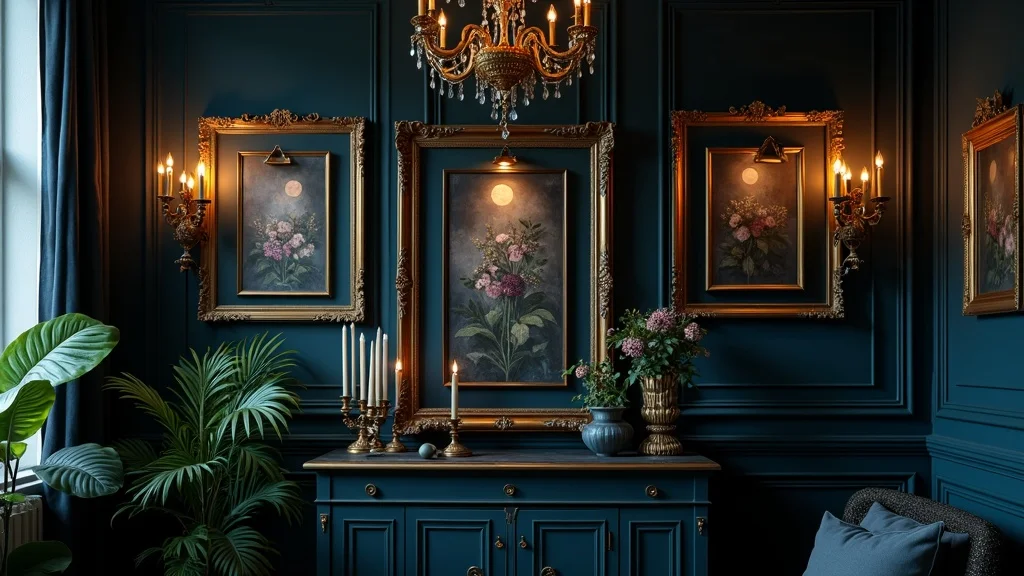
Hallmarks of Victorian Gothic style include handsomely carved woods, damask and velvet drapery, ornate candle holders, apothecary jars, and wall art featuring botanical, anatomical, or literary themes. Don’t forget the importance of a moody color palette: think deep burgundy, emerald green, plum, and matte black. Gallery wall arrangements with gold or pewter frames, and thoughtful shelf styling with metallic accents, are perfect for giving compact living rooms or dining rooms an authentic gothic home touch—no stone castles required.
The Essential Victorian Gothic Decor Starter Set: What to Look For
- Ornate mirror frames
- Wall sconces and candle holders
- Apothecary jars (labeled or plain)
- Antique or vintage-inspired wall art
- Books with gothic bindings
- Ceramic and glassware in dark jewel tones
Tips for Spotting Genuine vs. Reproduction Victorian Gothic Pieces
“Be wary of artificially aged finishes and mass-market knock-offs. Authenticity isn’t just oldness—look for craftsmanship and honest wear.”
Distinguishing real antique from reproduction is the first rule of building a Victorian gothic decor collection that stands out. Examine the joinery and carving of furniture—real victorian style boasts visible tool marks, subtle irregularities, and genuine patina instead of perfectly even “distressing.” Watch for modern gothic decor sold as antique; mass-market pieces often cut corners with generic hardware, lightweight wood, or poorly printed gothic motifs. When in doubt, ask for provenance—or at least close-up photos—before buying for your home decor collection.
Styling Victorian Gothic Decor in Small Spaces: The “Collected, Not Cluttered” Approach
The Shelf Styling Formula for Gothic Home Decor
- Choose a focus: one large gothic decor item (mirror, vase, statue)
- Layer with supporting pieces: books, jars, small candle holder
- Add contrast: metallic or glass highlights
- Leave breathing space: negative space is key for a “museum” effect
- Style with care: follow safety guidelines for glass and antique items
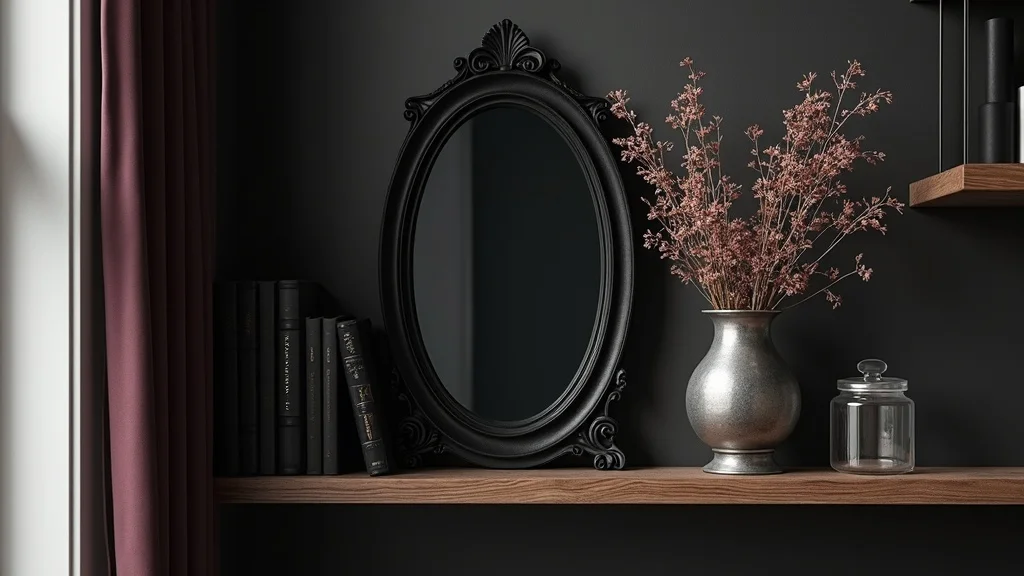
Modern Gothic: Achieving Restraint with Statement Pieces
The secret to making Victorian gothic decor sing in a modern home is restraint. Rather than crowding shelves with dozens of trinkets, select two or three truly stunning decor items—a serpentine wall sconce, a hand-painted apothecary bottle, or a single carved wood candle holder. Place them in uncluttered areas, like beside a dark academia reading nook or floating above an accent wall in your living room. This approach creates a gallery wall effect, drawing attention to craftsmanship and unique detail. Not only does this prevent “gothic clutter,” but it also ensures your Victorian gothic pieces remain conversation starters rather than visual noise.
Remember: Collected doesn’t mean crowded. Give your best gothic home decor room to breathe and tell their story. For example, an ornate mirror on a compact wall above a modern console table instantly transforms your space into a moody, grown-up vignette—especially if you anchor it with a dark floral art remedy or botanical print nearby.
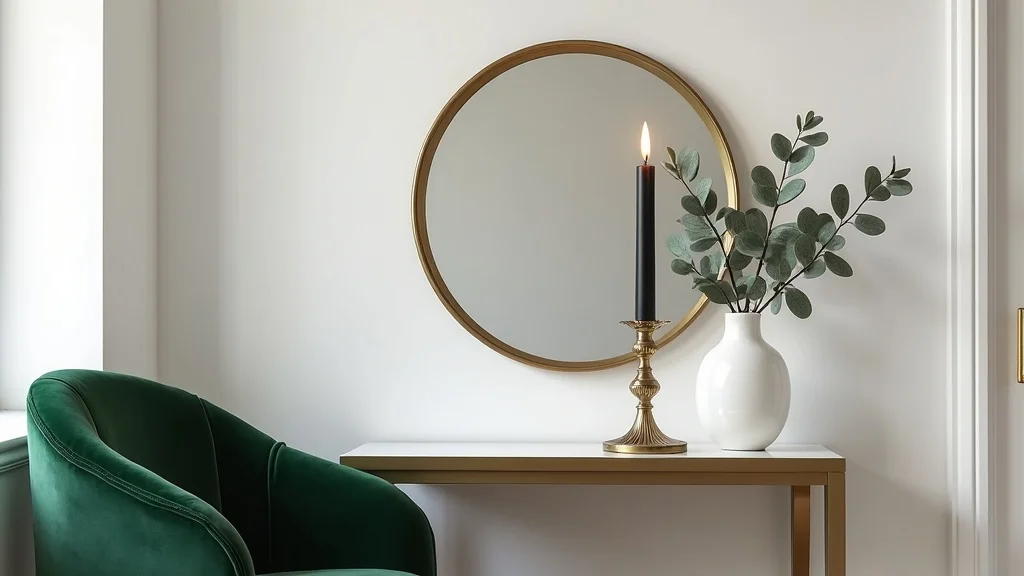
Common Victorian Gothic Decor Mistakes and How to Avoid Them
- Overcrowding shelves with too many trinkets
- Neglecting authenticity—falling for replicas passed off as antiques
- Choosing pieces unsafe for small spaces (sharp, unstable, or unventilated items)
- Ignoring care instructions for vintage and gothic home decor artifacts
Don’t let your passion for gothic home decor lead to chaos. Avoid cramming shelves or gallery walls with every find; unsafe, sharp, or unstable pieces can create hazards—especially in a small dining room or apartment. Stick to sturdy wall sconce fixtures over tall candelabras, and always double-check cleaning advice for vintage items. Many original finishes and materials respond poorly to strong solvents or aggressive scrubbing. Above all, prioritize intentionality over impulse: let each gothic decor item serve as a focal art remedy, not background clutter.
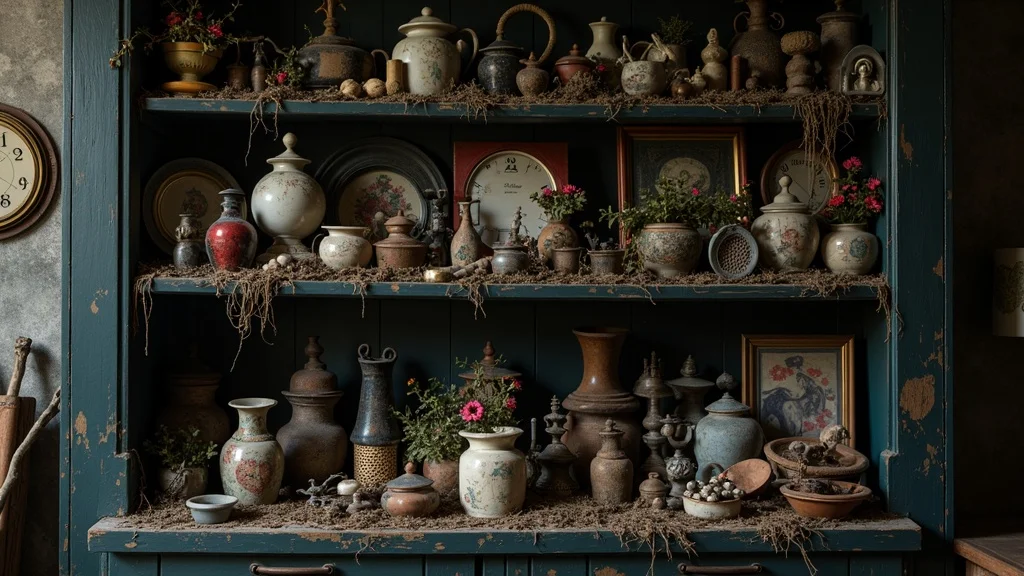
Beginner’s Guide: Curating Your “Starter Set” and Shopping Safely
- Start with a theme: medical, botanical, lunar, or Victorian study
- Select foundational Victorian gothic decor items
- Verify seller reviews, ask for detailed photos, and cross-check provenance
- Inventory storage needs; select multipurpose jars and containers
- Avoid harsh cleaning—preserve patina and original finishes
“Collected doesn’t mean cluttered. What you display should spark conversation—not chaos.”
There’s no need to buy everything at once. Begin with a specific theme—be it apothecary, lunar, or dark academia—and gather two or three high-quality decor items that connect with your story. Prioritize authentic victorian gothic pieces with character; if you’re shopping online, check for clear “ready to hang” labels, unaltered photos, and transparent return policies. Free delivery is a bonus, but don’t let it outweigh COA (Certificate of Authenticity) or high-resolution images. When displaying, rotate items to protect delicate wall art and use multipurpose containers to cut down on visible clutter. Clean with a soft, dry cloth—never chemical solvents—and handle with care to maintain value and beauty.
Table: Victorian Gothic Decor Cheat Sheet—Key Themes and Collectibles
| Theme | Must-Have Decor Items | Signature Materials | Recommended Placement |
|---|---|---|---|
| Apothecary | Labeled jars, potion bottles | Glass, pewter | Entryway, bookshelves |
| Victorian Study | Ornate frames, globes | Dark wood, brass | Desk, shelves |
| Botanical | Pressed florals, terrariums | Glass, ceramic | Windowsills |
| Moonlit/Nautical | Luna motifs, barometers | Silverplate, mahogany | Mantel, gallery wall |
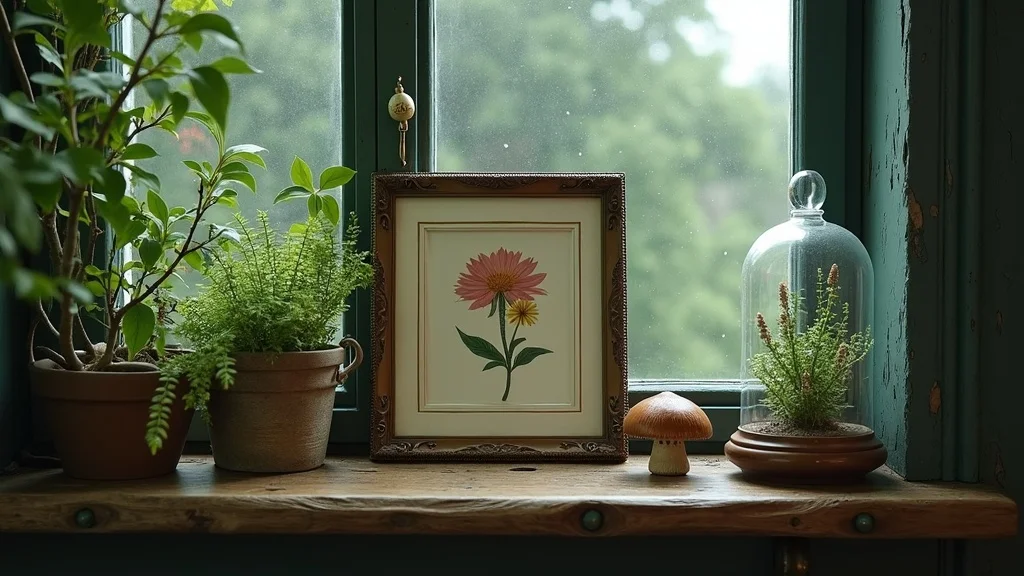
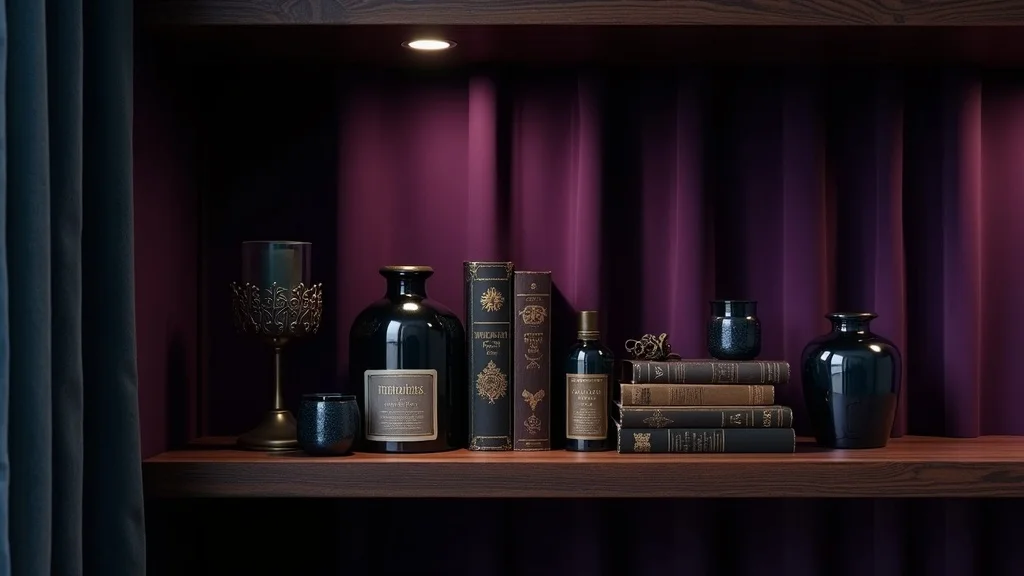
A slow pan over a meticulously styled Victorian Gothic shelf, showing the process of arranging ornate candlesticks, books, and apothecary jars for dramatic impact and balance in a compact apartment setting.
Lists and Red Flags: Collector Rules for Victorian Gothic Decor
- Do: research provenance, request certificates of authenticity
- Don’t: use strong solvents on painted/vintage surfaces
- Do: rotate displays to prevent light damage and dust
- Don’t: hang heavy wall art on weak surfaces in small spaces
Victorian Gothic Decor FAQs
Where can I buy real Victorian Gothic decor pieces?
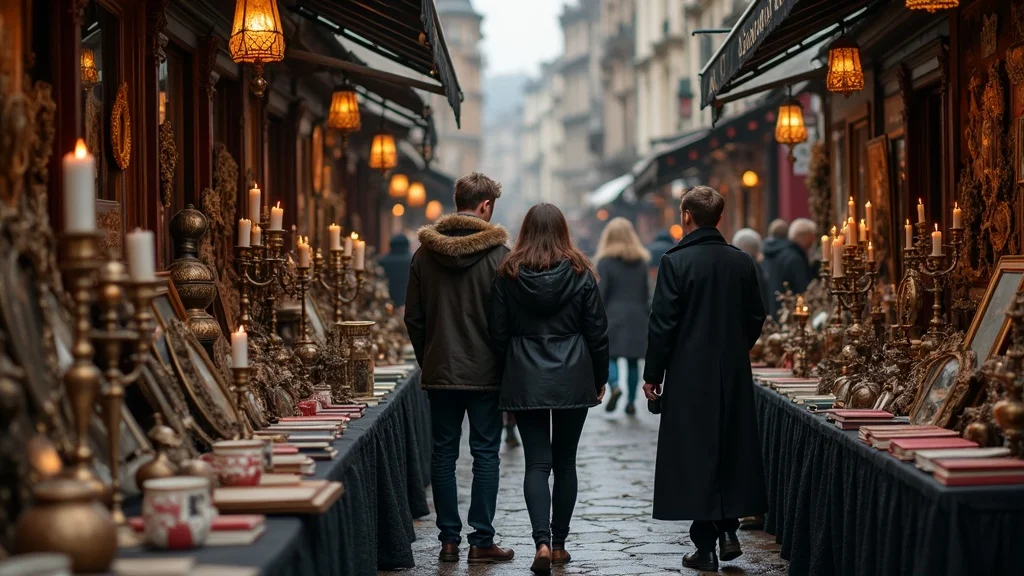
Look to reputable antique dealers, estate sales, and specialized online gothic home decor shops with authentication policies. Always confirm item authenticity and secure packaging before purchase—especially for fragile glassware or gallery wall art.
How do I display gothic decor safely in a small apartment?
Use museum putty for fragile pieces and opt for wall sconce fixtures rather than free-standing candelabras to save valuable surface area. Position gothic decor items away from vents and high-traffic zones to prevent accidents and preserve your collection’s integrity. When possible, use floating shelves and secure all wall art with appropriate anchors.
Can I mix Victorian gothic with modern home decor?
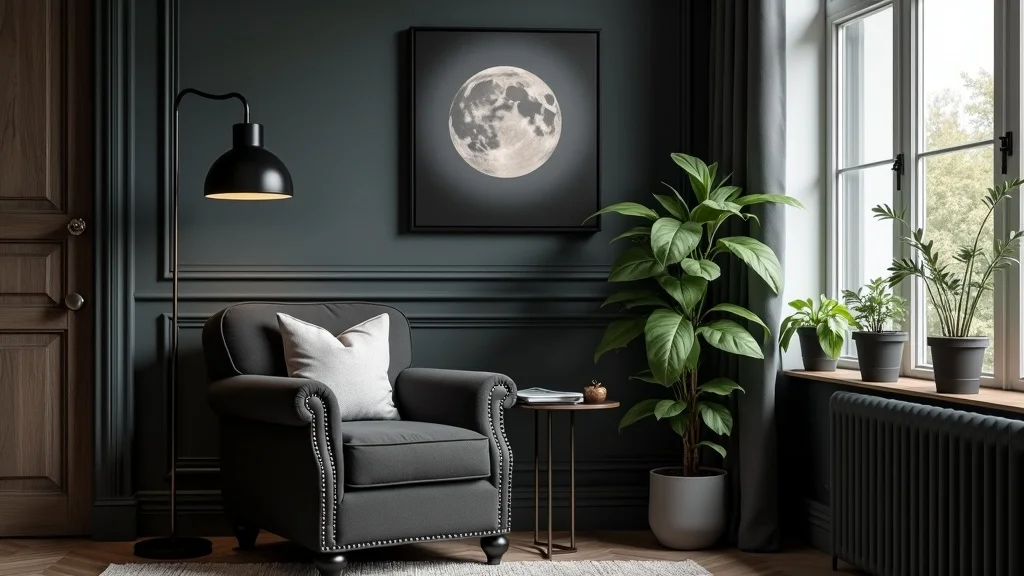
Absolutely. Victorian gothic decor pairs beautifully with modern minimalist surfaces. Choose one or two statement pieces—like a black velvet Victorian armchair or a moonlit accent wall art—and keep surrounding areas bright white and uncluttered. This contrast lets gothic details pop without overwhelming small rooms, and gives your home decor collection a refined, editorial edge.
Key Takeaways for Victorian Gothic Decor Lovers
- Victorian Gothic decor is about curation, not clutter
- Start small with core items and build deliberately
- Always verify authenticity when possible
- Safety and proper care preserve value and beauty
- Style with restraint: let each gothic decor piece tell a story
If You’re Building a Cabinet Vibe, Browse Our Curated Victorian Gothic Decor Category
Whether you’re after the darkness of a medical apothecary shelf, the romance of a moonlit gallery wall, or the scholarly intrigue of a Victorian study, start your gothic home decor journey with our curated collection. Build your “cabinet of curiosities” with confidence—each item is chosen for history, craftsmanship, and storytelling potential.
Conclusion: Embracing Victorian Gothic Decor—Collected, Not Cluttered
Victorian Gothic decor transforms your home into a rich tapestry of history and artistry—one shelf and one story at a time. Curate, don’t clutter, and your gothic home will always invite wonder.