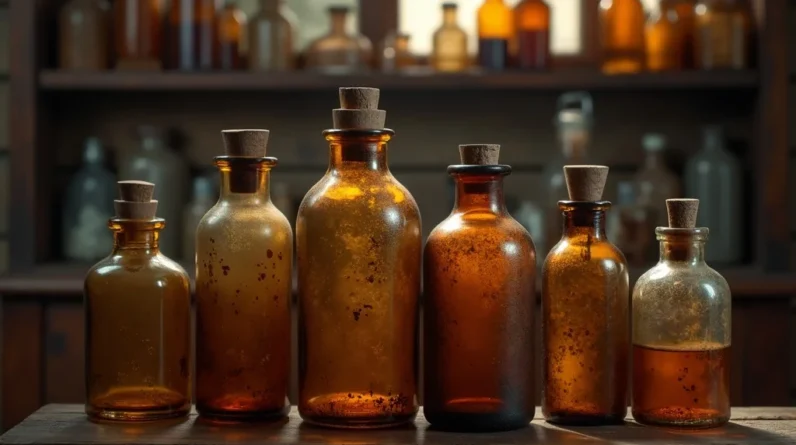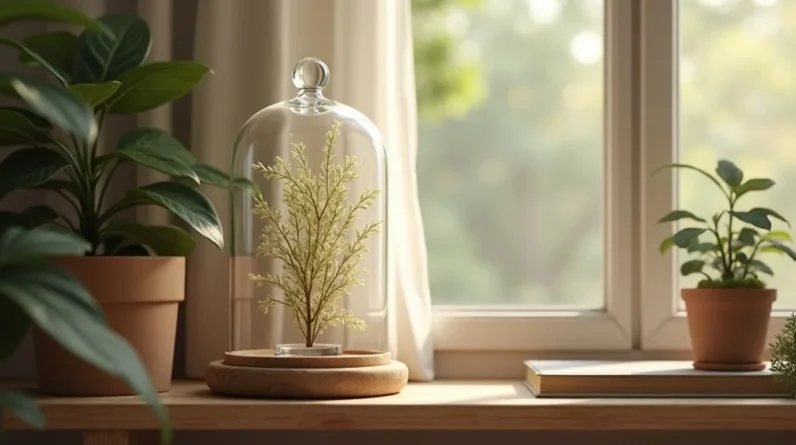



Did you know that well-preserved specimens can last centuries, but poor display choices can ruin them in just months? Imagine a shelf in the morning light: an antique glass dome houses a fossil, a vintage butterfly frame gleams close by, and each piece sparks curiosity rather than clutter
Unveiling the Art of Specimen Display: Why Presentation Matters
The presentation of your specimens—be they rare minerals, pressed botanicals, or butterfly wings—directly enhances both their visual impact and preservation. In the world of specimen display, every detail counts: a mismatched frame or haphazard display can actually cause irreparable harm to your finds, while a thoughtful choice of frame, dome, or display case extends their lifespan and weaves a visual narrative. It’s not just about aesthetics; well-styled display cases keep out dust, sunlight, pests, and accidental bumps. From traditional wooden shadowboxes to sleek modern glass domes, each choice influences how viewers interact with the collection. The right display aligns with your intent—whether that’s creating a modern gothic shelf or emulating a Victorian collector’s cabinet.
But there’s more to it than safety and beauty. Specimen displays reflect your values—curation over accumulation, authenticity over imitation. Displaying rare fossils in a transparent, archival-grade case conveys care and ethical responsibility, inviting trust from fellow enthusiasts. On the other hand, a crowded, unlabelled shelf can undermine the entire story you want to tell. That’s why true curators focus on “collected, not cluttered” principles, making every choice (from labels to lighting) purposeful.

“Collected, not cluttered — a well-designed specimen display transforms curiosities into stories.”
What You’ll Learn: Essential Specimen Display Concepts
- Quick definitions: specimen display, display case, display cases, specimen container
- How to choose between frames, domes, and cases
- A step-by-step checklist for expert-level curation
- Troubleshooting common mistakes in specimen display
- Curatorial trust cues: authenticity, care, ethics, and display safety
Defining Specimen Display: Frames, Domes, and Display Cases Explained
- What is a specimen display? (reviewing types and terminology such as display case, display cases, and specimen container)
- Common jar types and how to use each in your specimen display
- What is a specimen example? (PAA)
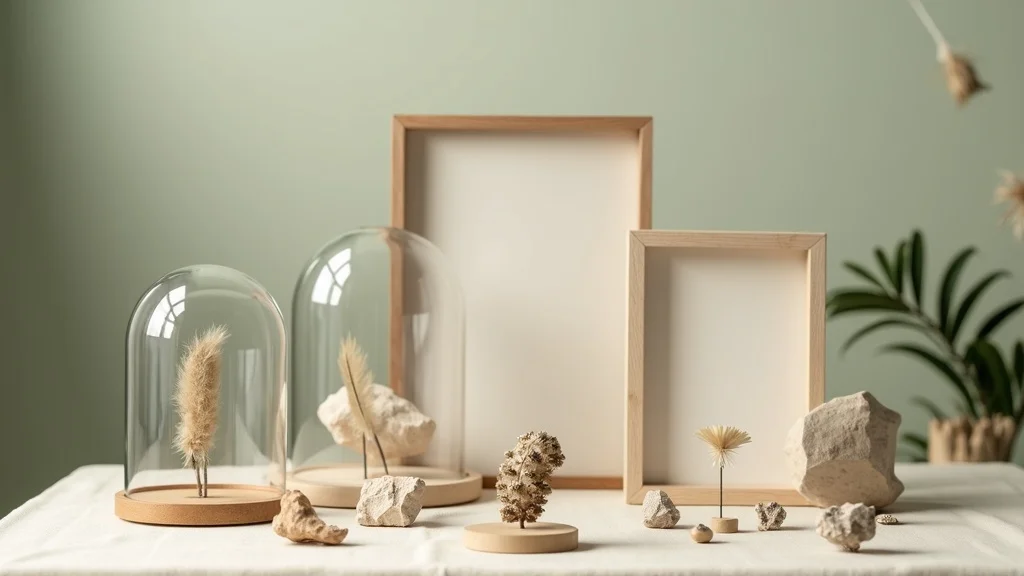
Before you start arranging, it’s vital to know your tools: Specimen display refers to the thoughtful presentation of natural or cultural finds—fossils, minerals, dried plants, pinned insects—using display cases (enclosed glass or acrylic boxes), frames (open or glass-fronted), domes (bell jars or cloches), and specimen containers (such as apothecary jars or scientific bottles). Each has unique strengths: display cases offer robust protection, while domes transform an object into a visual anchor point, and frames keep flat objects like botanicals or insects crisp and dust-free.
When it comes to jars, there are two main types. Apothecary-style jars (with ground-glass or tight-fitting stoppers) are best for dried botanical or mineral specimens—just add a labeled tag inside. Transparent display jars (like bell jars) show off unusually shaped fossils or preserved objects—these need to be tightly sealed and kept out of direct sunlight to avoid fading or contamination. Some displays even use box card trays or small acrylic containers for organizing tiny mineral or fossil specimens, each labeled for easy study and safe handling.
Answer: What is a specimen example?
A specimen example can be almost anything that has scientific, historic, or aesthetic value—such as a fossilized ammonite, a pressed fern, a pinned butterfly, or a labeled mineral chunk. In specimen displays, these individual pieces become focal points. You might see museum-quality displays that feature a singular, beautifully mounted beetle, or a shadow box holding a series of labeled leaf samples, each mounted on black or white card trays for contrast and clarity. The point is to balance protection, clear viewing, and detailed labeling for authenticity and educational value.
Choosing the Right Specimen Display Case: What to Look For
- Display case types: frames, domes, shadowboxes, and glass display cases
- Materials and lighting for your specimen display
- Checklist: Considerations for ethical, authentic, and safe display
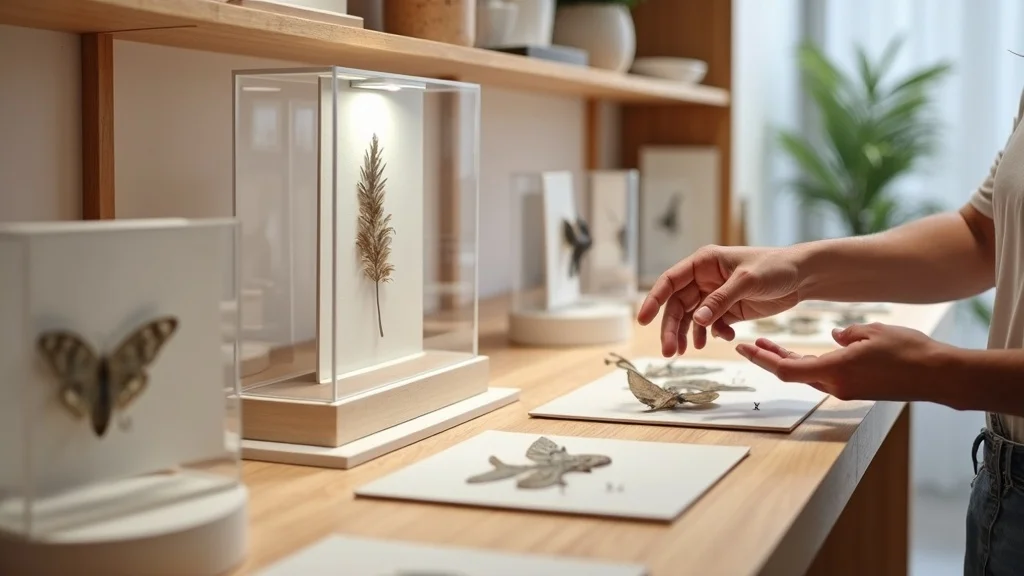
When selecting a display case, you’re making a decision that impacts preservation, style, and storytelling. The four go-to options for most collectors are: Frames (ideal for flat items like butterflies or pressed flowers), domes (for 360° viewing of unique objects), shadowboxes (deep, often wooden boxes for dimensional artifacts, usually with glass fronts), and glass display cases (enclosed protection for everything from minerals to historic oddities). Modern collectors might also use card trays produced from box card, which allow grouping of tiny specimens with readable labels—perfect for arranging a full range of finds from rocks to feathers.
Materials matter. Choose cases made from museum-grade glass, acrylic, or wood, avoiding low-quality plastics that can emit chemicals and degrade specimens. Quality construction provides excellent robustness—the best choice for artifacts you want to last. Consider lighting, too: display your specimens under indirect, natural light or use LED spotlights (never hot halogen which can damage delicate pieces). Finally, check for seals—well-constructed cases keep out dust and insects, while giving viewers an unobstructed view. Always affix your own label detailing the contents, origin, and date; custom labels on black or white card add professionalism while boosting authenticity.
| Type | Best For | Protection | Aesthetic | Typical Materials | Notes |
|---|---|---|---|---|---|
| Frame | Flat items (butterflies, pressed plants) | Good (glass front) | Classic, modern, or vintage | Wood, metal, glass | Easy to label; great for wall display |
| Dome | Three-dimensional objects (fossils, minerals) | Excellent (full enclosure) | Elegant, dramatic focus | Glass, acrylic base | Highlight a “star” item on a shelf |
| Display Case | Collections, mixed objects | Highest (fully enclosed) | Museum, apothecary, modern | Glass, acrylic, wood | Best for grouping and safety |
How to Organize Your Specimen Display for Maximum Impact
- Modern gothic and apothecary styling cues
- Theme ideas: medical, botanical, lunar, nautical, victorian study
- How do you display your collectables? (PAA)
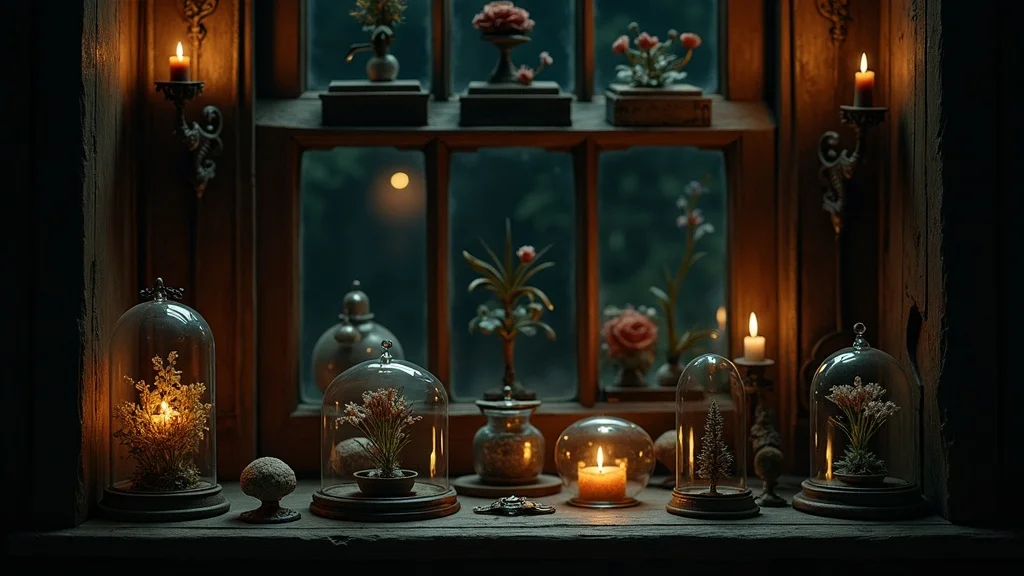
The key to “collected, not cluttered” is focus and curation. Modern gothic and apothecary styles thrive on restraint—a few dramatic pieces under glass, antique medical instruments paired with labeled cases, botanical wonders set beneath a minimalist dome. Start by choosing a theme: medical (old glass jars, brass instruments), botanical (pressed ferns, moss domes), lunar (meteorites in small acrylic boxes), nautical (sea fans, antique compasses) or Victorian study (skulls, handwritten labels, sepia tones). Arrange in odd-numbered clusters and space items to allow light to play through glass and around objects—this both highlights individual finds and allows the eye to rest.
The result? A shelf that tells a story, creating satisfying “vignettes” that feel intentional rather than accidental
Answer: How do you display your collectables?
Display your collectables by first choosing a central theme (botanical, lunar, apothecary, etc.), then arranging statement pieces in protective domes or frames. Use labeled props, such as old books or glass beakers, spacing pieces for visual impact. Position objects at different heights on shelves—combining domes, frames, and cases—with personal touches like handwritten notes or botanical illustrations. Lighting is crucial: opt for soft spotlights or indirect window light to accentuate textures without causing damage. Finally, rotate pieces and update labels to keep your specimen display fresh and engaging.
Specimen Display Safety: Handling, Cleaning, and Preservation Tips
- Beginner collector rules: what not to clean aggressively
- Red flags and starter set suggestions for specimen display
- Display safety: handling, avoiding scams, and curatorial best practices
- What is a specimen container? (PAA)
Safety and preservation are non-negotiable in responsible specimen display. Beginner collectors should resist the urge to over-clean—many artifacts, especially fossils and minerals, retain natural patina that adds value. Use only soft brushes or microfibre cloths for dusting, and never apply cleaning agents unless you’ve confirmed they’re archival-safe. Watch for red flags with vintage jars or cases: yellowed glass, loose lids, or visible glue or staples as old repairs can damage specimens.
Starter sets for beginners might include sturdy glass domes for dramatic centerpieces, archival-grade frames with black or white card inserts for insects or feathers, and a well-made display case with card trays produced from box card—these provide clear separation and easy labeling. Affix your label meticulously, detailing the contents as museums do. Avoid “deals” that sound too good—always check for authenticity, whether it’s a mineral or fossil or a rare botanical. Trusted sellers offer background info, provenance, and care guides; always ask for close-up photos before purchasing online. The construction of the case should provide excellent robustness, keeping contents dust-free and minimizing handling risks.

Answer: What is a specimen container?
A specimen container is any vessel specifically designed to safely store and display biological, geological, or historical finds. In specimen display, common containers include glass jars with sealing lids, acrylic boxes for “mini-exhibits,” clear domes for delicate objects, and archival boxes with appropriately scored trays to cushion valuable items. The main goal is to prevent deterioration, maintain clarity, and enable clear labeling—the right container can extend the life of your collectable by decades.
Display Case Styling Formula: Create ‘Collected, Not Cluttered’ Shelves
- Step 1: Select your statement pieces and supporting objects
- Step 2: Use labels, props, and thoughtful spacing for your specimen display
- Step 3: Layer in personal touches: readable labels, story notes, mood lighting
- Step 4: Museum display cues (PAA: What are museum displays called?)
Ready to curate like a pro? Here’s the simple styling framework to transform your shelf from chaotic to cohesive:
Step 1: Start with one or two “hero” objects—a specimen that draws the eye (polished quartz, a large fossil, a dramatic dried flower under a dome). Then select supporting pieces: card trays with smaller mineral or fossil specimens, a vintage bottle or shadowbox, creating a sense of depth and story.
Step 2: Affix your own label to each piece—this could be handwritten on white card or printed for crispness. Add props that reinforce your theme, like velvet lining in gothic displays or a brass magnifying glass for a Victorian study. Space objects deliberately so each gets attention, following the “blank sides” guideline—empty space calms the eye and avoids clutter.
Step 3: Personalize by tucking away story notes, date tags, or even a clipped excerpt from a field journal. Use mood lighting—dimmed lamps, cabinet LEDs, or battery tea lights—to highlight textures and create drama.
Step 4: Borrow cues from museums: line up labels at a consistent angle, ensure trays produced from box card are stable, and regularly update with new finds. This formula keeps your specimen display fresh, functional, and irresistibly inviting.
Answer: What are museum displays called?
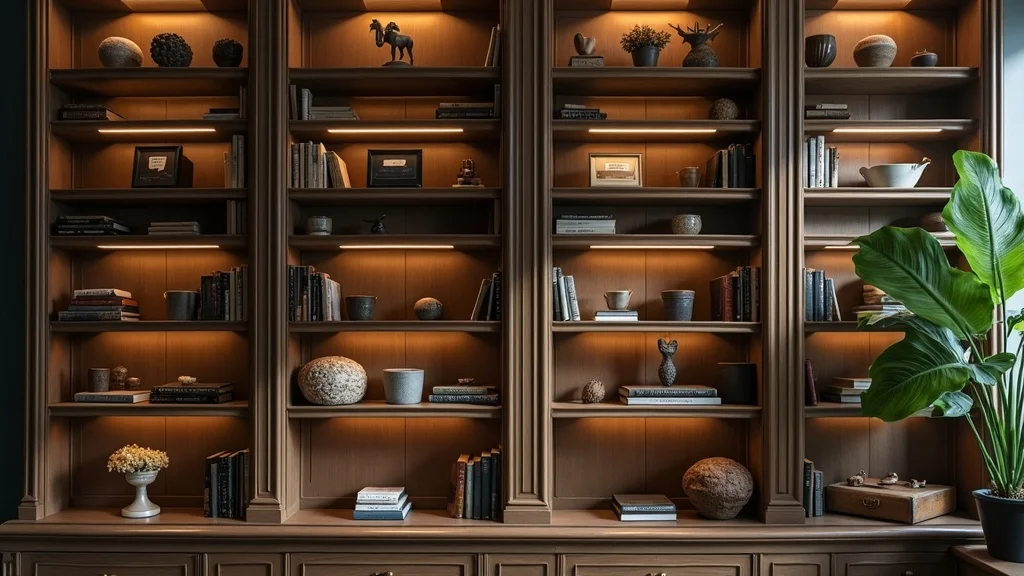
Museum displays are often called exhibits, vitrines (glass cases), or showcases. In a curatorial context, the term “exhibit” refers to thoughtfully arranged objects with clear labeling and artifact-friendly lighting. These displays employ museum-grade cases, precision-cut card trays, and deliberate spacing to highlight both individual artifacts and the story as a whole—the gold standard for any home specimen display.
Frequently Asked Questions About Specimen Display
- How do I safely clean and preserve items in my specimen display?
- Are vintage jars or display cases safe for long-term use?
- How can I spot authentic specimens and avoid replicas?
- Can I use standard frames or do I need archival products for my specimen display?

How do I safely clean and preserve items in my specimen display? Always use a gentle approach—start with a soft, dry brush or microfibre cloth for flat surfaces, and avoid liquid cleaners unless specified as archival-safe
Are vintage jars or display cases safe for long-term use? Yes—with caveats
How can I spot authentic specimens and avoid replicas? Check for natural imperfections: fossils should have unique patterns, and butterflies may show fading or delicate breakage
Can I use standard frames or do I need archival products for my specimen display? While basic frames work for short-term display, archival-quality options protect against UV, moisture, and dust long-term
Key Takeaways: Elevate Your Specimen Display Ethically and Beautifully
- Display case selection shapes the story you tell
- Curation is about care and context — not quantity
- Personalization with authenticity is the curator’s secret
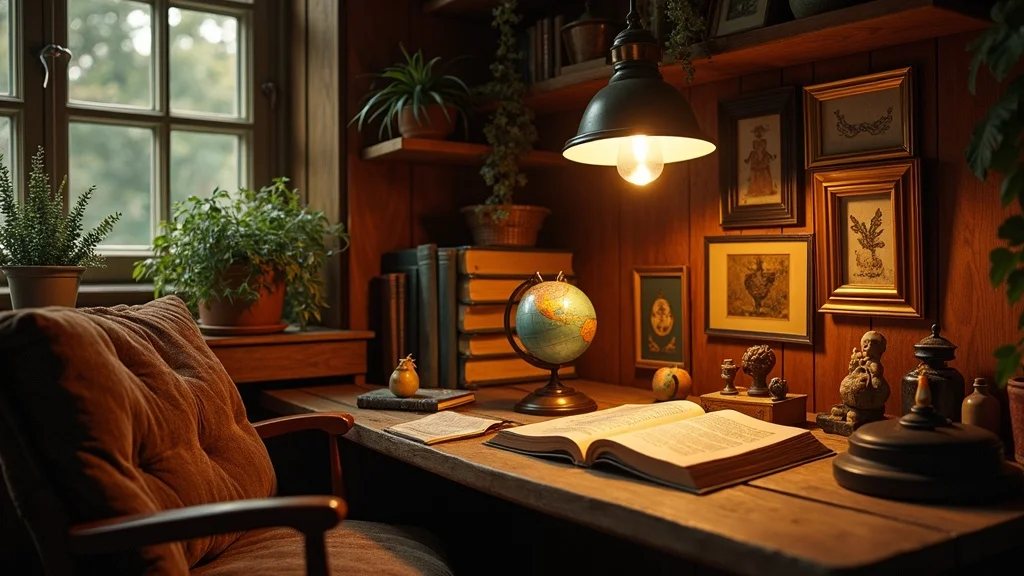
Ready to Build Your Own ‘Cabinet Vibe’? Start Curating with Our Shelf Display Checklist
Ready to showcase your treasures? Save this checklist and start your “collected, not cluttered” journey—one frame, dome, or case at a time