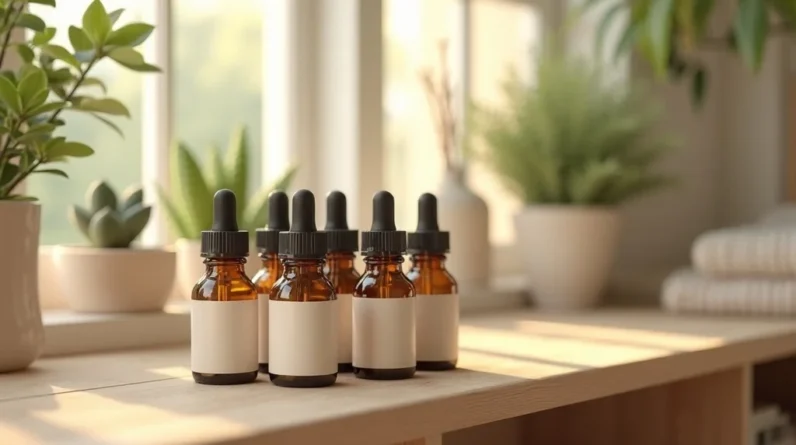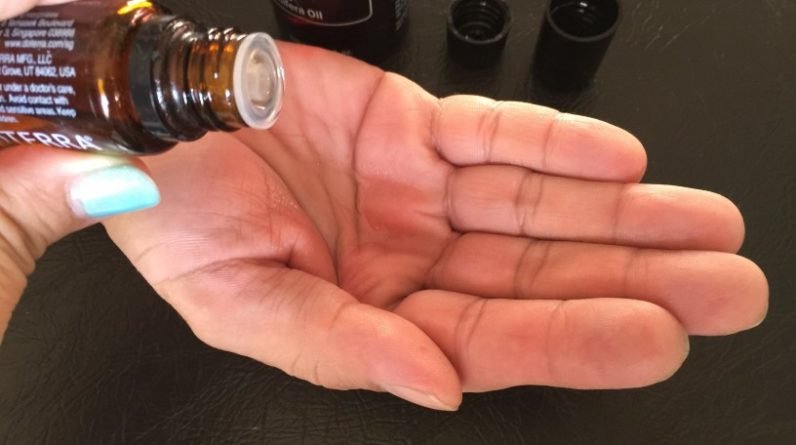


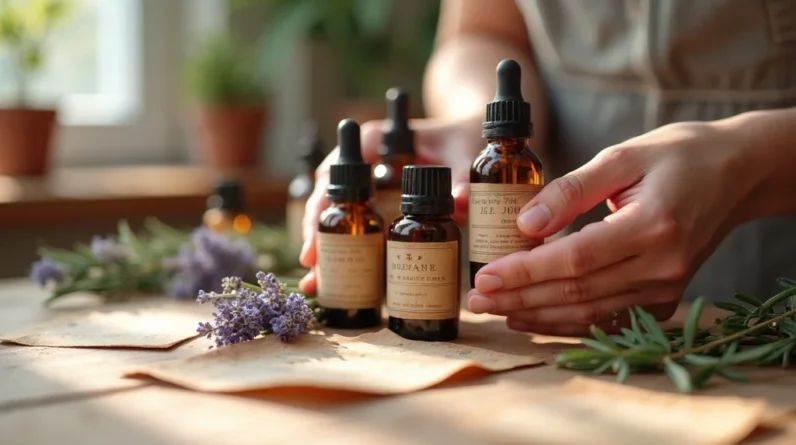
Did you know that nearly half of home essential oil users have accidentally confused their blends due to unclear, unorganized labels? Picture this: a hurried morning, a leaky essential oil bottle, and a drawer full of unmarked vials
Unlocking Organized Bliss with Essential Oil Labels
“A single well-designed oil label can rescue you from a chaotic drawer and restore the rituals you love—without the mess or second-guessing.”
Essential oil labels are more than decorative stickers—they’re your ticket to a smarter, safer modern apothecary. Whether you use oils for energy, calm, or cleaning, the right **oil label** keeps every blend, bottle, and drop easy to identify and safe to use. Proper labeling reduces confusion, prevents mix-ups, and makes it simple to spot expired or unsafe blends.
The good news? Choosing and designing the perfect label is easier than ever before
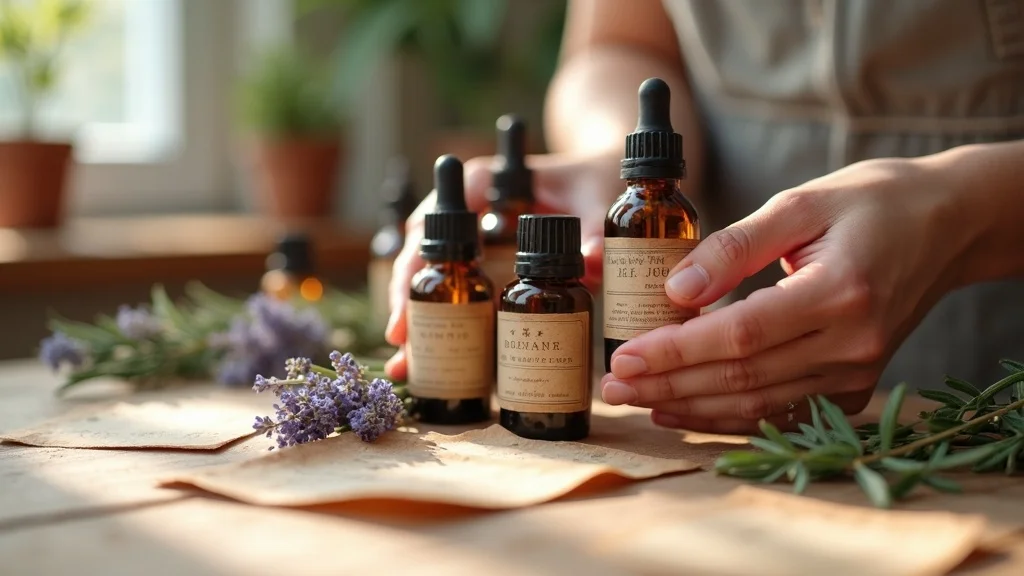
What You’ll Learn About Essential Oil Labels
- The essential elements for safe and stylish essential oil labels
- How to create vintage-inspired oil labels that hold up to mess, oil, and time
- Organization strategies using essential oil labels for a functional home apothecary
- Common label mistakes to avoid (and easy fixes)
- Where to find or how to make printable labels and custom essential oil label options
The Basics: What Are Essential Oil Labels and Why Do They Matter?
Defining Essential Oil Labels for Home and Hobbyists
Essential oil labels are purpose-built, small product labels designed for oil bottles—from classic 5ml rollers to generous 30ml droppers. The best oil label blends style, strength, and vital information, making your essential oil bottles attractive and safe. For hobbyists, crafters, and those building a home apothecary, labels are the gateway to easy blending, reliable storage, and hassle-free routines. Unlike blank labels or plain stickers, a thoughtfully crafted essential oil label transforms each bottle into a tool you can trust and reach for with confidence.
Want to create a cozy, Instagram-worthy oil display? Start at the source
Safety First: Key Information Your Oil Labels Should Always Include
- Oil name (common and Latin/botanical)
- Date bottled/opened
- Blend ingredients (if DIY)
- Dilution instructions
- Safety warnings (children, pets, sensitivity)
- Storage tips
“Not medical advice; don’t ingest; dilute for topical; patch test; be cautious with kids/pregnancy/pets; consult a professional if unsure.”
Every label you print, buy, or create for your essential oil bottles should put safety and clarity first. That means opting out of just cute designs or illegible script fonts. Instead, focus on clear names (both common and botanical), how and when to use each blend, and reminders for safe storage. Your future self (and everyone else using your collection) will thank you.
Vintage-Style Essential Oil Labels: Features, Formats & Inspiration
Balancing Vintage Aesthetics with Practical Oil Label Elements
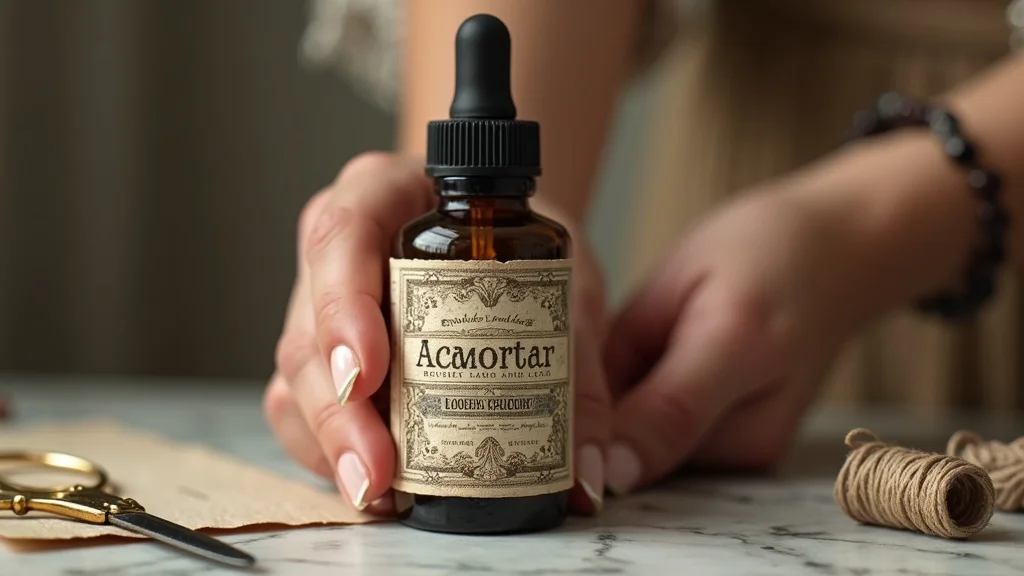
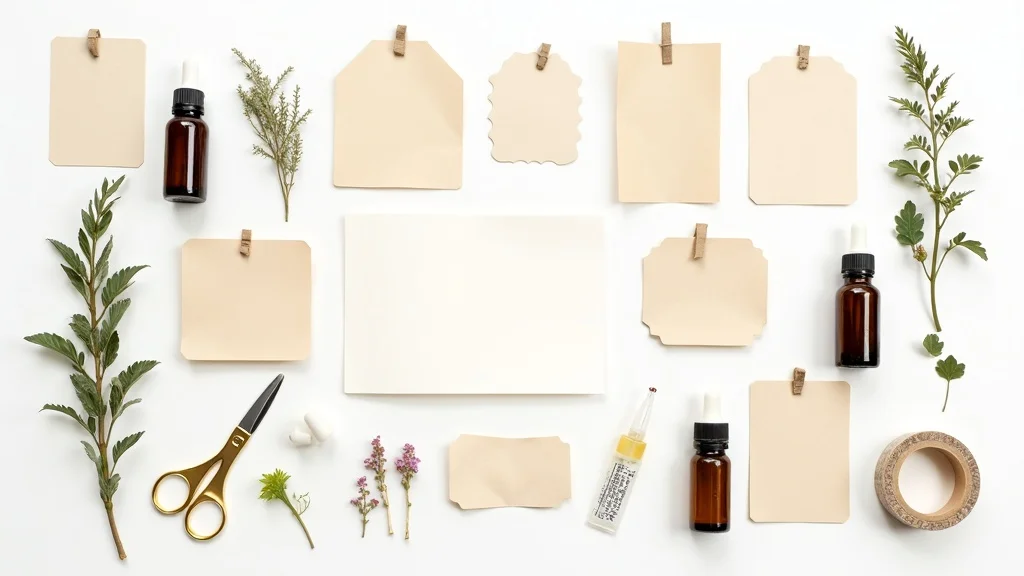
Vintage-style essential oil labels are all about blending nostalgia with practicality. Think ornate borders, soft sepia tones, and fonts that nod to old-world apothecaries—all while ensuring the oil labels remain easy to read. The perfect label design honors the past but works for today: strong adhesives (no more labels slipping in an oily drawer), waterproof or tear-resistant paper, and enough space to jot vital info such as blend ingredients and dates.
For essential oil hobbyists, these features transform your bottles into a ‘modern but vintage’ apothecary collection. Add a custom essential oil label to homemade blends, or upgrade your whole display with printable labels for essential oil bottles that look and feel bespoke. The right aesthetic isn’t about show, it’s about sparking joy and inspiring confidence every time you reach for a bottle—mess-free and mistake-resistant.
Common Vintage Label Mistakes (and Key Fixes)
- Illegible script fonts
- Flimsy or non-oil-resistant paper
- Overly decorative, missing safety info
- Poor adhesive—peeling in an oily drawer
“Classic design is timeless, but smart materials and legible print make oil labels last.”
The biggest pitfalls in choosing vintage-inspired oil labels aren’t just about style—they’re about substance. A beautiful label that peels off, smears, or hides vital information can cause frustration (or worse, safety hazards). Stick with quality label material like waterproof vinyl or polyester, pick fonts you can read at a glance, and always include blend and safety information—yes, even for your prettiest containers.
How to Organize Your Essential Oil Labels for Home or Work
Systematic Labeling for a Safe and Accessible Oil Collection
- Sort by oil type or function (e.g., sleep, energy, cleaning)
- Color-code or symbol-label for quick grabs
- Include blend recipes directly on oil labels
- Log purchase/batch dates for freshness
- Store upright, away from sunlight, using labeled storage solutions
A safe and accessible oil collection begins with a consistent, systematic approach to labeling. Proper oil label systems prevent you from grabbing the wrong blend by mistake and make inventory checks quick and easy. Some prefer sorting oil bottles by type or function—perhaps all sleep blends have a blue label, while invigorating oils wear sunny yellows. Adding batch dates and recipes directly to your labels ensures you always know what’s inside, while smart storage (upright, cool, and out of the sun) keeps oils fresh and potent.
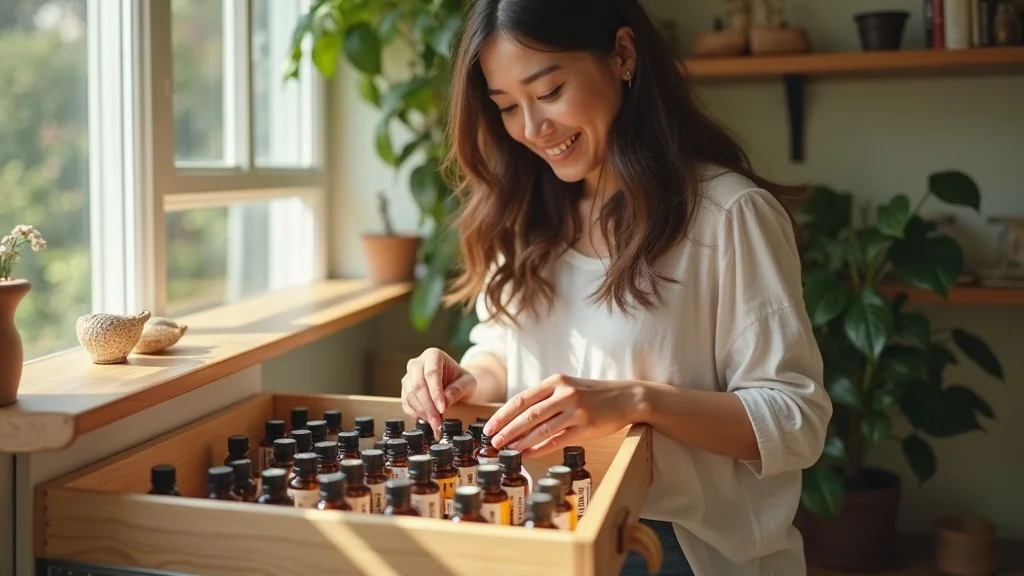
“A cozy apothecary starts with organization—labels are the linchpin for safe, joyful oil routines.”
If you’re starting from scratch, blank labels are great for quick notes until you settle on a theme. Over time, even a huge selection of custom essential oil labels can be wrangled with clever color-coding, symbol stickers, and uniform fonts. The secret isn’t just the label design, but making consistent, regular use of the system you choose. Say goodbye to expired, mystery vials and hello to an efficient, user-friendly set-up!
Printable Labels vs. Custom Essential Oil Labels: Choosing the Right Fit
| Label Type | Features | Cost | Durability | Order Volume | Design Flexibility |
|---|---|---|---|---|---|
| Printable Oil Labels | DIY, wide template options, on-demand label printing | Low to moderate (printer ink + label paper) | Medium to high (depends on paper/ink) | Print as few or as many as needed | Maximum (fonts, icons, shapes, colors) |
| Custom Essential Oil Labels | Professionally designed, perfect label materials, can match any style | Moderate to high (designer + production fees) | Usually high (oil-resistant, professional finish) | Bulk orders often required for best pricing | Unlimited with a designer; totally personalized |
| Pre-Made Oil Labels | Ready to buy, standard label packaging, convenient | Low to moderate (dependent on retailer) | Medium (varies by supplier/material) | Buy printable labels by sheet; usually packs of 10–100+ | Low to moderate (set fonts/designs; less customization) |
Deciding between printable labels, custom essential oil labels, or pre-made options depends on your budget, creativity, and the size of your collection. DIYers might prefer downloading printable labels for essential oil bottles to easily create themed, on-demand designs. Meanwhile, those who want a perfect, professional finish might choose to work with an artist for a custom label. Pre-made selections from office or online shops may suit those short on time but looking for a quick upgrade.
Where to Buy Printable Labels and Custom Essential Oil Labels
- Popular online label shops: Etsy, Amazon, and specialty label vendors
- DIY printable options: Download templates for home printers
- Printable labels at office supply stores (usually blank labels are great value)
If you want to buy printable labels, shop the huge selection on craft marketplaces like Etsy. For custom essential oil labels, partner with a designer who specializes in label packaging and understands essential oil safety. Big office supply chains also offer blank labels, ready for label printing at home. Check product descriptions for “oil resistance” and “waterproof” claims—the best label material stands up to daily use.
Tips for Printing Essential Oil Labels at Home
- Use waterproof/tear-resistant label paper
- Laser or pigment ink for maximum durability
- Allow ink to dry; seal with clear spray for extra oil resistance
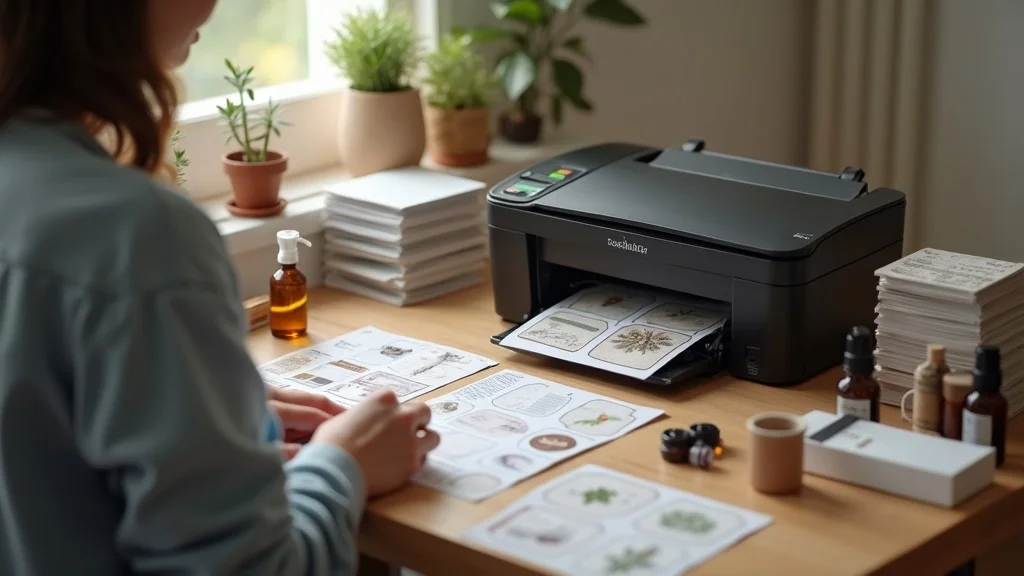
To easily create perfect label sheets at home, start with printable labels that specify compatibility with inkjet or laser printers. Print test runs on plain paper first. For best results, use a pigment-based or laser printer, not dye-ink, to prevent smudging. Once printed, dry thoroughly and give your labels a quick spray of clear sealer (found at most craft shops) to lock in your design against oil leaks and daily handling.
Essential Oil Labels in Action: Organization Inspiration and Real Recipe Examples
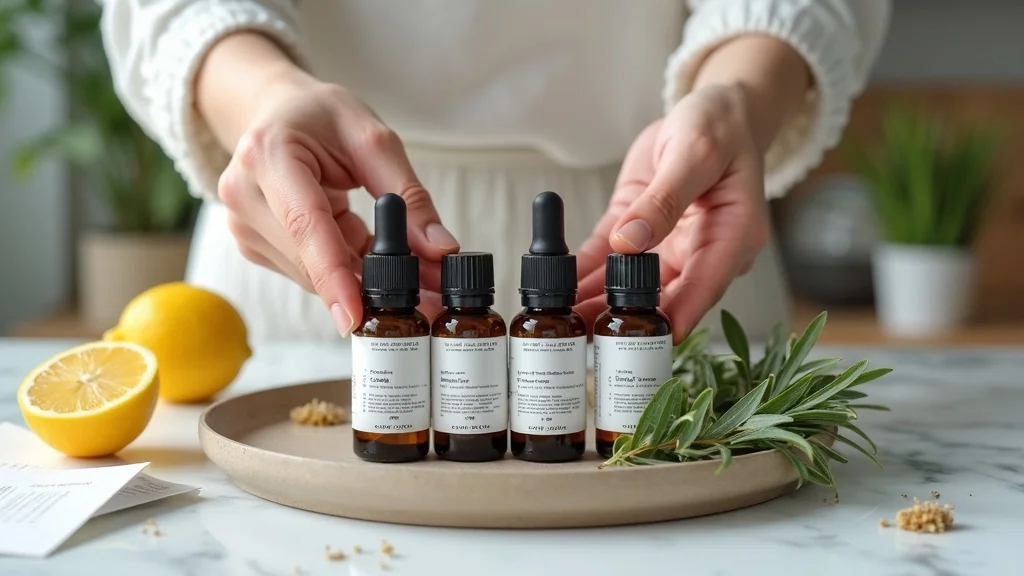
- “Calming Bedtime” roller: Label includes lavender, Roman chamomile, and cedarwood; dilution ratio (10ml roller, 10 drops of blend, fill with carrier oil); date bottled.
- “Kitchen Clean” blend: Label lists lemon, eucalyptus, and tea tree oils; spray bottle use tip; “shake before use” reminder and storage date.
- “Seasonal Support”: Custom essential oil label with batch number, safety icons (no kids under 3, dilute before using), and each oil clearly listed on the label.
These recipe examples show why clear oil labels matter: They streamline your routines and boost safety. Imagine spotting a soothing roller or a peppy cleaning blend at a glance—all the info is right at your fingertips. When every bottle in your apothecary is visibly labeled, neat, and safe, your rituals are easier and more enjoyable.
People Also Ask: Essential Oil Labels
What should be included on an essential oil label?
At a minimum, include the oil name (both common and botanical), date bottled, ingredients (for blends), dilution instructions, and relevant safety warnings (for children, pets, allergies, etc.). Don’t forget to note patch test recommendations and storage tips for each oil or blend.
How do I make sure my essential oil labels are safe for oily bottles?
Use durable, waterproof, and oil-resistant label materials designed specifically for essential oil bottles. Look for specialty papers or vinyl meant for cosmetic or industrial label printing. Seal ink with a protective spray and ensure the adhesive is strong enough to withstand daily handling and oil exposure.
Can I buy vintage or custom essential oil labels online?
Yes! Sites like Etsy, Amazon, and niche label shops offer vintage-inspired, printable, or custom essential oil labels for easy ordering. You can choose from ready-made sheet sets or commission a designer for a custom label to match your unique bottle style or apothecary theme.
How do I organize essential oil bottles with oil labels?
Sort your collection by function (calming, uplifting, cleaning), oil type (floral, herbal, citrus), or use a color-code system. Store bottles upright and in a cool, dark drawer or display. Affix essential oil labels to both the bottle side and cap for quick, visible identification in any arrangement.
Do printable labels work for essential oil blends or roll-ons?
Yes, printable labels are excellent for custom blends, roll-ons, and more. They allow unlimited flexibility in naming, safety information, and design. Make sure to use quality label paper (waterproof, oil-resistant), print in small batches, and update blends as recipes change.
Safety Notes Every Essential Oil Label Needs
- Not medical advice.
- Do not ingest essential oils.
- Dilute essential oils for topical use.
- Patch test before use.
- Exercise caution with children, pets, pregnancy.
- Consult a professional with any uncertainties.
FAQs: Essential Oil Labels
- What paper or material is best for essential oil labels?
Use waterproof vinyl or polyester label sheets. These resist oil, water, and smudges better than standard paper. Specialty label vendors offer sheets made for essential oil bottle surfaces. - How often should I update my oil labels?
Update essential oil labels every 6–12 months, or when recipes/blends change, bottles are reused, or expiration dates approach. Keeping current dates and ingredients prevents confusion and ensures freshness. - Tips for labeling blends or DIY oils?
Always add the recipe, dilution, date, and safety tips. Use color-coded or symbol labels for quick function reference. If reusing blank labels, wipe bottle surfaces with alcohol and use a new, clean printout. - Can essential oil labels be removed and reused?
Waterproof labels with strong adhesive may not be reusable, but some printable sheets are designed for easy removal. Clean bottles well before relabeling to ensure the best adhesion. - How do I design vintage-inspired oil labels at home?
Use free label design templates from office supply brands or craft marketplaces. Select vintage fonts, aged paper textures, and ornate borders. Print on waterproof label paper and seal for durability.
Key Takeaways for Practical, Vintage-Style Essential Oil Labels
- Essential oil labels combine style, safety, and efficiency for home apothecaries.
- Choose oil-resistant materials—your labels will hold up through every ritual.
- Organization starts with clear, thoughtful labeling—never guess your blends again!
Ready to Transform Your Essential Oil Drawer? Start With Expert-Curated Essential Oil Labels Today!
Take the guesswork out of your aromatherapy with printable, custom, or pre-designed essential oil labels. Organize your collection, preserve every blend, and design a modern apothecary that works for your life. Start labeling your oils—and make every ritual simple and safe!