

But what if you could transform your chaotic oil stash into a modern home apothecary—curated, organized, and ready to elevate your mood, focus, and living space with intentional essential oil blends for home? This guide will show you how, with recipes, storage tips, and safety checklists tailored for real life, not just Instagram
A Modern Apothecary’s Guide to Essential Oil Blends for Home
Welcome to your practical guide for creating and maintaining a home full of delightful scents and positive energy—without falling into the trap of clutter and confusion. Essential oil blends for home are more than fragrant distractions; they’re tools for daily rituals, clarity, and comfort. In this article, you’ll move beyond random purchases and leaky vials, and step into the mindset of a modern apothecary: blending with intention, storing with care, and making every scent count. We’ll cover how to organize your collection, create your own signature blend, avoid common mistakes, and, most importantly, keep your routines safe for everyone in your household. Whether you’re seeking calm, focus, fresh air, or a quick energy lift, these curated blends—from “Calm After Chaos” to “Crisp Air Reset”—will refresh both your home and your habits.
Did you know? Over 70% of essential oil users admit their collection is a ‘mess,’ and 1 in 3 have tossed bottles due to mysterious leaks or bad smells. Discover how to curate, not clutter, your essential oil blends for home.
What You’ll Learn About Essential Oil Blends for Home
- How to organize and store your essential oils for maximum freshness and safety
- 12 exclusive, apothecary-style essential oil blend recipes for every mood and room
- Tips for safe, effective use of oil blends in any space
- Common mistakes to avoid when handling essential oil blends
- Quick checklists and charts for blend ratios and substitute oils
Understanding Essential Oil Blends for Home: A Quick Overview
- What is an essential oil blend? A custom combination of two or more essential oils, mixed to target a mood, environment, or wellness goal in your home.
- How essential oil blends enhance your home environment: By pairing oils with complementary effects—calming, energizing, purifying—you can create unique aromas that purify the air, support focus, or promote relaxation.
- Essential oils vs. oil blends: Single oils offer specific benefits, but oil blends amplify results and complexity, delivering a richer olfactory and emotional experience.
- Why use an oil diffuser or essential oil diffuser? Diffusers disperse blends efficiently, making it easy to enjoy benefits evenly throughout any room for an extended period, rather than just by smelling essential oil directly from the bottle.
“Think of your essential oils collection as your modern home apothecary. The aim isn’t more—it’s better.”
| Blend Type | Intended Use | Recommended Tools |
|---|---|---|
| Lavender, Lemon (Single Oils) | Calming, Freshening | Essential oil diffuser, oil diffuser |
| Blended (See Recipes Below) | Targeted mood, air, focus | Diffuser blend, roll-on |
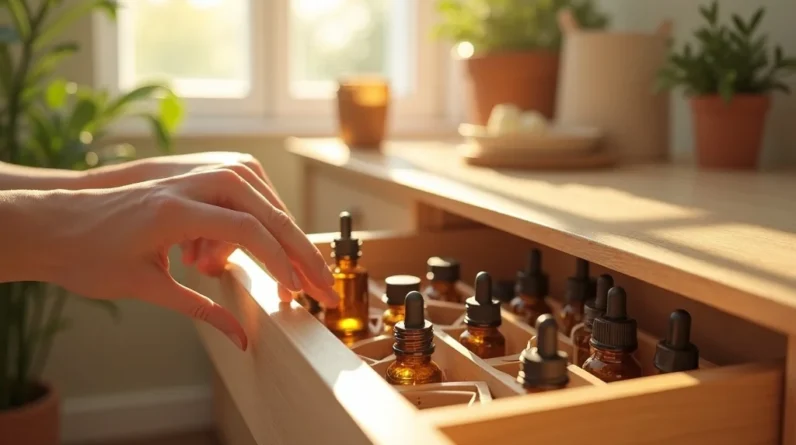
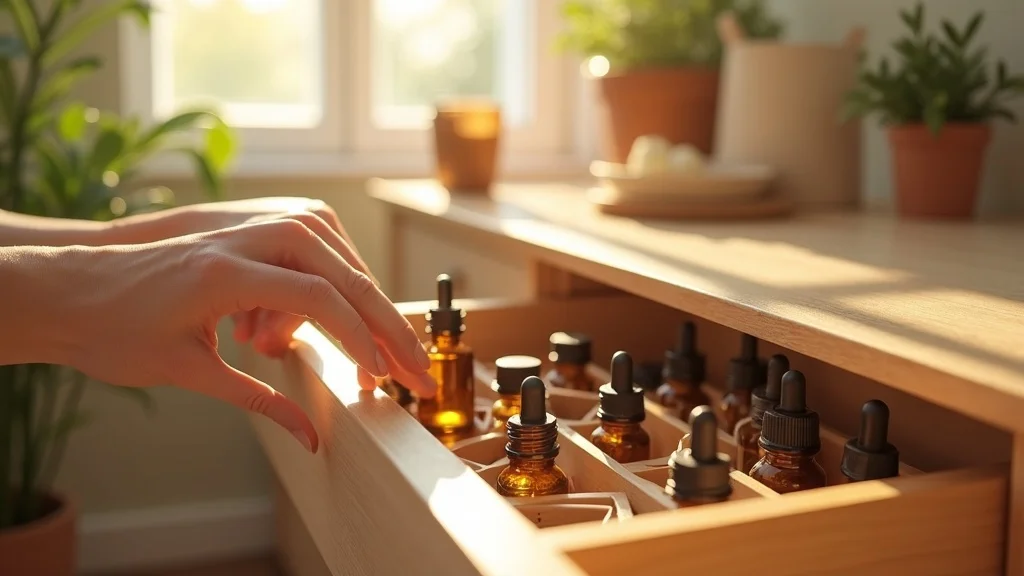
How to Build an Apothecary-Style Essential Oil Drawer
- Checklist: Must-have essential oils for home: Lavender, Lemon, Peppermint, Tea Tree, Eucalyptus, Sweet Orange, Cedarwood, Frankincense, Geranium, Basil, Rosemary, Roman Chamomile.
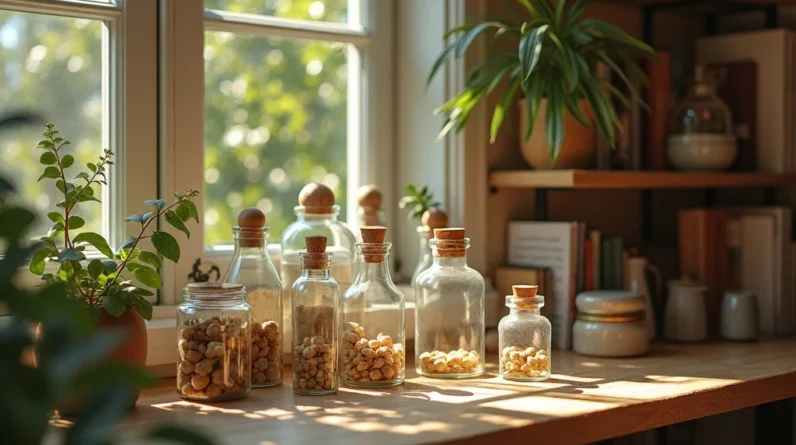
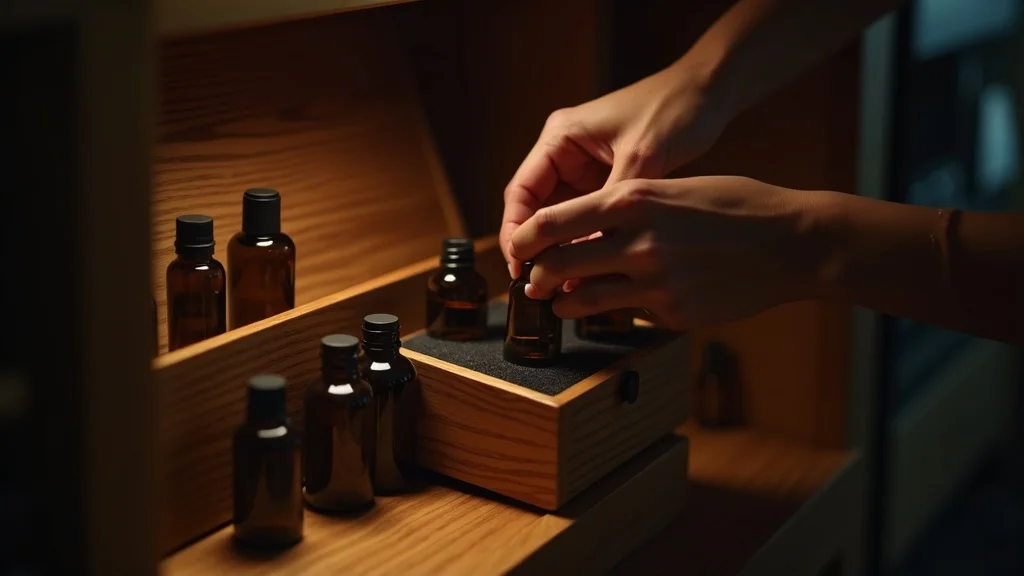
- Best bottles and storage solutions for oil blends: Opt for amber or cobalt glass bottles with tight dropper caps—these protect delicate oils from sunlight and air. Use wooden trays or velvet-lined drawers; keep everything upright and secure.
- Labeling tips for essential oil blends and single oils: Use waterproof labels with clear blend names and mix dates. Mark bottles with main ingredients (especially if you make custom blends or have kids).
- Safety-first organization: Always store essential oils out of reach of children and pets. Avoid heat sources like stovetops or sunlight to maintain oil potency and prevent leaks.
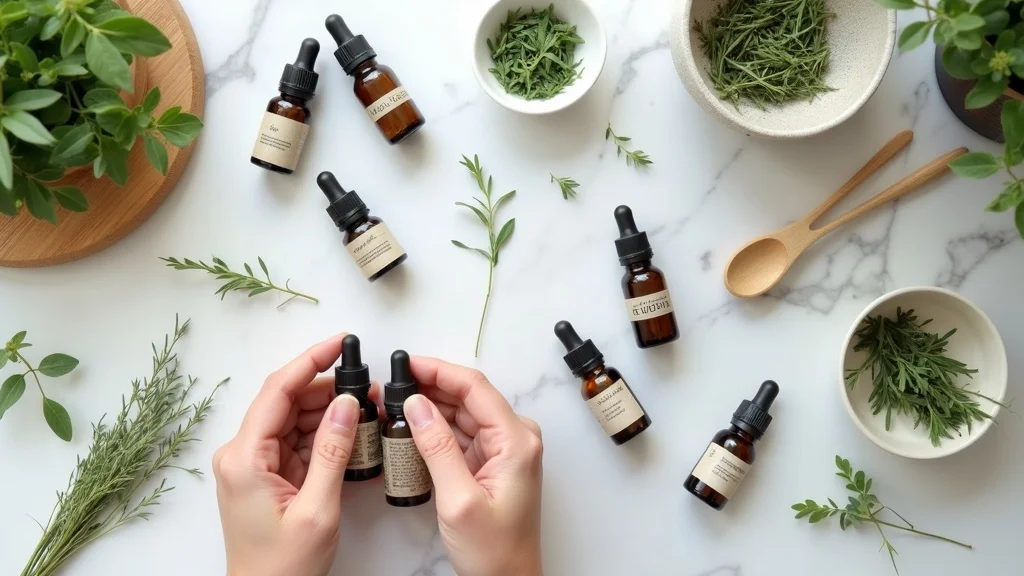
Essential Oil Blends for Home: The 12 Must-Try Diffuser Recipes
- Calm After Chaos: 3 drops Lavender, 2 drops Bergamot, 1 drop Frankincense
- Fresh Start: 4 drops Lemon, 2 drops Mint, 2 drops Rosemary
- Cozy Hearth: 3 drops Cedarwood, 3 drops Orange, 1 drop Cinnamon
- Pure Focus: 2 drops Peppermint, 2 drops Eucalyptus, 2 drops Lemon
- Spa Sanctuary: 2 drops Geranium, 2 drops Ylang-Ylang, 3 drops Lavender
- Invigorate: 3 drops Grapefruit, 2 drops Basil, 2 drops Lime
- Breathe Easy: 3 drops Eucalyptus, 2 drops Tea Tree, 2 drops Lemon
- Uplifted Mood: 4 drops Sweet Orange, 2 drops Clary Sage, 2 drops Jasmine
- Mountain Morning: 3 drops Pine, 2 drops Lemon, 2 drops Rosemary
- Kitchen Cleanse: 3 drops Lemongrass, 2 drops Thyme, 3 drops Lemon
- Deep Sleep: 3 drops Roman Chamomile, 3 drops Lavender, 2 drops Cedarwood
- Crisp Air Reset: 2 drops Spearmint, 2 drops Lime, 3 drops Lavender
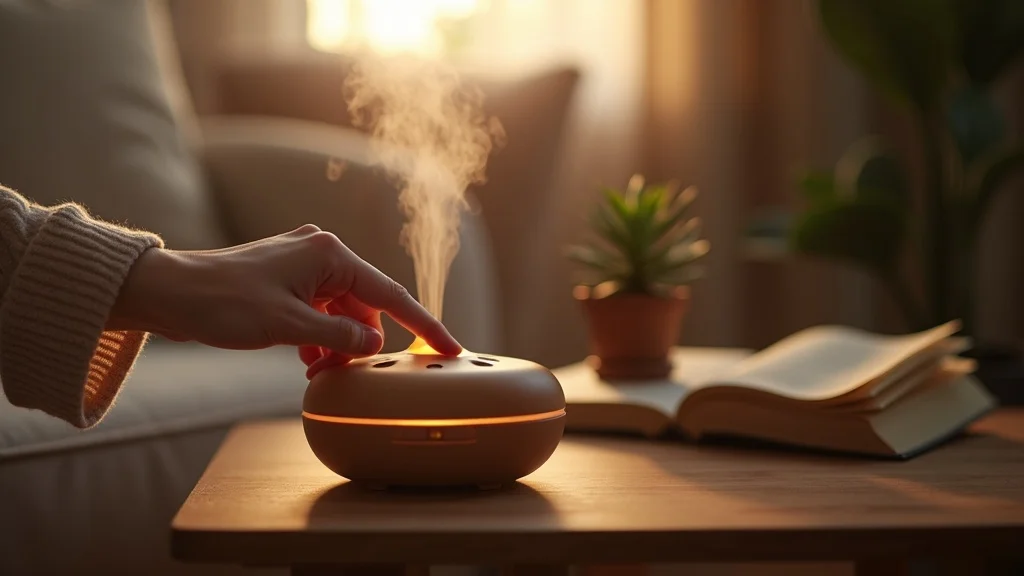
How to Use an Essential Oil Diffuser for Blends at Home
- Step-by-step: Adding oil blends to your diffuser:
Fill your oil diffuser’s reservoir with clean, room-temp water up to the fill line, add your chosen drops from a favorite diffuser blend, replace the lid, and turn on. Mist will disperse your scent evenly. Avoid overfilling or adding too many drops—start with 5–8 drops per 100ml and adjust to preference. - Smelling essential oil vs. diffusing it—what’s best for home?
Smelling essential oil directly is intense but brief; diffusing gently scents the air for hours. For full-room ambiance and benefits, use your essential oil diffuser. For a quick reset or energy boost, inhale from the bottle or from a tissue with a drop. - Tips for blending and diffuser recipe success:
Use fresh, high-quality essential oils; blend only what you’ll use in 1–2 weeks if mixing ahead. Clean your diffuser regularly to avoid residue and blend mixing. Test new oils or blends in a small amount before filling your room.
Quick Chart: Essential Oil Blends for Specific Rooms
| Room | Blend Name | Oils Used | Reason |
|---|---|---|---|
| Bedroom | Deep Sleep | Roman Chamomile, Lavender | Calm and sleep |
| Kitchen | Kitchen Cleanse | Lemongrass, Thyme | Cut cooking odors |
| Office | Pure Focus | Peppermint, Lemon | Boost focus |
| Living Room | Cozy Hearth | Cedarwood, Cinnamon | Comfort |
Common Mistakes to Avoid With Essential Oil Blends for Home
- Overusing strong essential oils in small spaces: Oils like peppermint, cinnamon, or eucalyptus can quickly become overwhelming or even irritating. Stick to blend recipes for guidelines on safe amounts for oil diffusers.
- Neglecting dilution for topical use: Essential oils are potent; always mix with a carrier oil before skin contact—especially for sensitive users.
- Ignoring sensitivity for children, pets, and pregnancy: Some essential oil blends may be harmful to pets or inappropriate for young children and pregnant individuals. When in doubt, research each oil and consult a professional.
- Not labeling essential oil blends: A blank or smeared label makes it easy to confuse blends, leading to wasted oils or potential irritation.
“Not every oil blend is safe for every home. Dilute, test, and always err on the side of caution—especially with kids, pets, and sensitive individuals.”
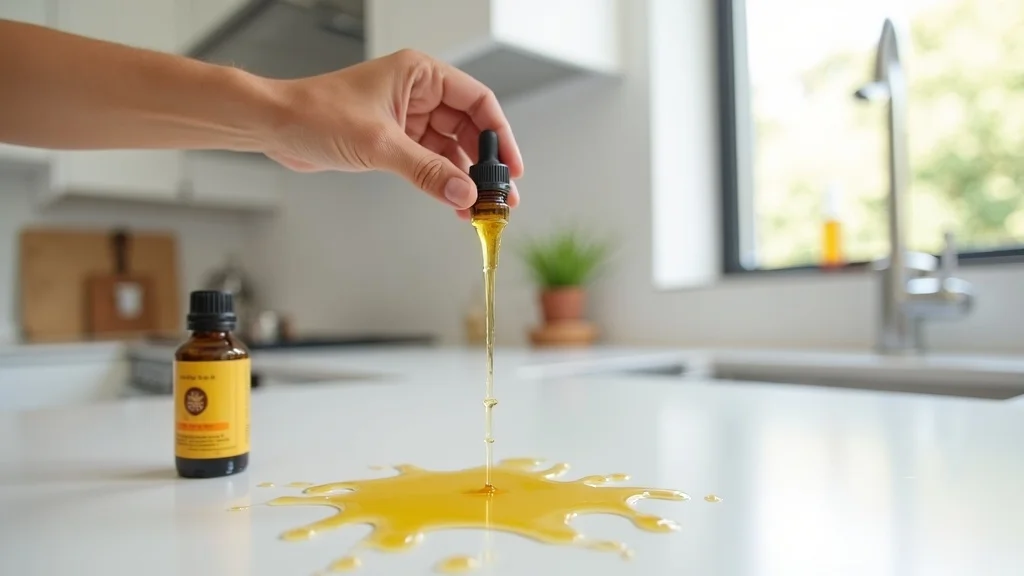
How to Store, Reuse, and Refresh Essential Oil Blends for Home
- Storage temperature and lighting tips: Store essential oils in cool, dark places, ideally inside an amber or dark blue bottle in a box or drawer, away from sunlight and heat sources.
- Ways to reuse old oil blends safely: If a blend no longer smells “fresh” but isn’t rancid, use it in homemade cleaning sprays, garbage bins, or as a laundry freshener—never on skin.
- Checklist—when to toss vs. refresh a blend: Discard blends with changed color, odd sediment, or sour/rancid smells. Refresh regularly by making small batches and dating all bottles.
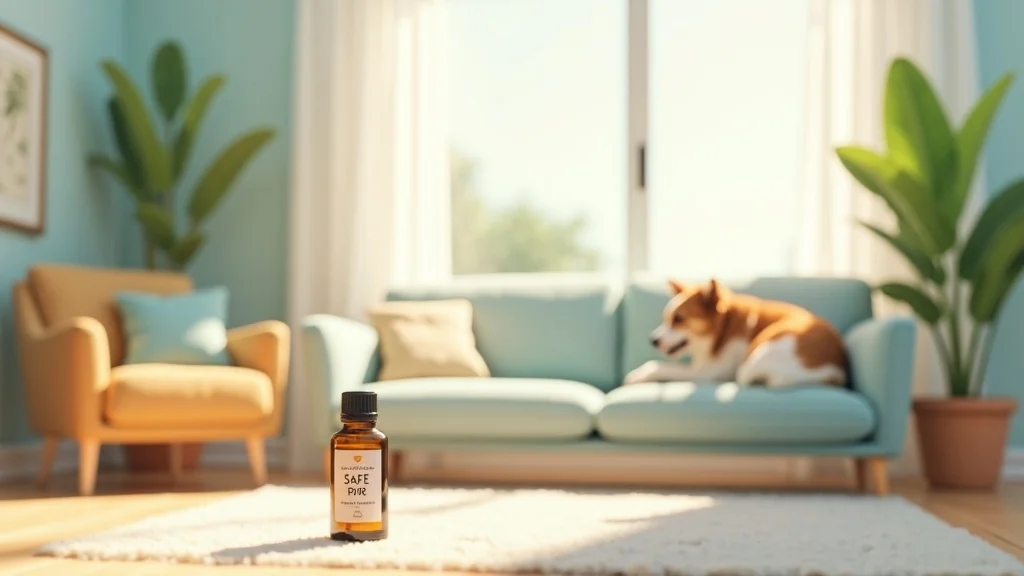
Essential Oil Blends for Home: Safety First Checklist
- Never ingest essential oils
- Always dilute for topical use
- Patch test before applying to skin
- Beware of blends harmful to pets—research each oil
- When in doubt, consult a professional
People Also Ask: Essential Oil Blends for Home
What essential oils make your house smell good?
- Popular single essential oils for a fresh-smelling home include Lemon, Lavender, Sweet Orange, Eucalyptus, and Peppermint. For a more layered scent, try blends like Cozy Hearth, Fresh Start, or Kitchen Cleanse.
What is the 20 30 50 rule for essential oils?
- The 20/30/50 rule for essential oil blends refers to a well-balanced recipe: 20% top note (evaporates quickest), 30% middle note (heart of the scent), and 50% base note (longest lasting). This creates a richer, more balanced aroma in your oil diffuser blends.
Which essential oil blends well together?
- Classic pairings include Lavender + Lemon for freshness, Peppermint + Eucalyptus for stimulation, and Sweet Orange + Cedarwood for cozy comfort. Always test small amounts before blending large batches in your diffuser or on your skin.
What is the mother of all oils?
- Lavender is often called the “mother of all essential oils” because of its versatility, gentle nature, and safety profile. It blends beautifully with others and can be used for both calming and freshening effects throughout the home.
FAQs: Essential Oil Blends for Home
- How long do essential oil blends last once mixed?
Most blends last 6–12 months in a dark, cool storage space. However, always check for changes in smell or clarity. - Do essential oil blends expire?
Yes, exposure to light, heat, or air shortens shelf life. Most blends will be at their best within a year—if you notice separation, cloudiness, or a sour odor, toss it. - What’s the best carrier oil for diluting essential oils?
Unscented oils like fractionated coconut, sweet almond, or jojoba oil are commonly used and skin-friendly for most people. - How can I make my own signature oil blend for my home?
Start with one “base” oil (like Lavender or Cedarwood), add one or two “accent” oils (such as Lemon for freshness), and adjust ratios using the 20/30/50 rule for harmony. - Are essential oil blends harmful to pets?
Some oils, especially tea tree, eucalyptus, and ylang-ylang, can be harmful to pets. Always check safety info before diffusing or using blends in pet-accessible areas, and consult your veterinarian if unsure.
12 Essential Oil Blends for Home: Expert Tips & Key Takeaways
- Organize your essential oils like an apothecary, not a junk drawer.
- Choose blends for specific needs—don’t just follow the crowd.
- Prioritize safety when handling or diffusing essential oils.
- Refresh or toss old blends as needed.
- Enjoy the ritual, not just the aroma.
Ready to Transform Your Home with Essential Oil Blends? Start with One Recipe Today!
Pick your favorite recipe, set up your oil diffuser, and notice how a curated blend can transform your space—even if you start with a single drop. Make it a ritual, and your home will always smell good—with intention.
Safety note:The information provided is not medical advice; never ingest essential oils; always dilute for topical use; patch test on skin; be cautious with kids, pets, and pregnancy; consult a professional if unsure about any oil blend or routine.
Watch this step-by-step video to master filling, blending, and enjoying your essential oil diffuser at home. Learn water measurements, proper oil drop count, and quick cleaning tips for consistent, delightful scents.