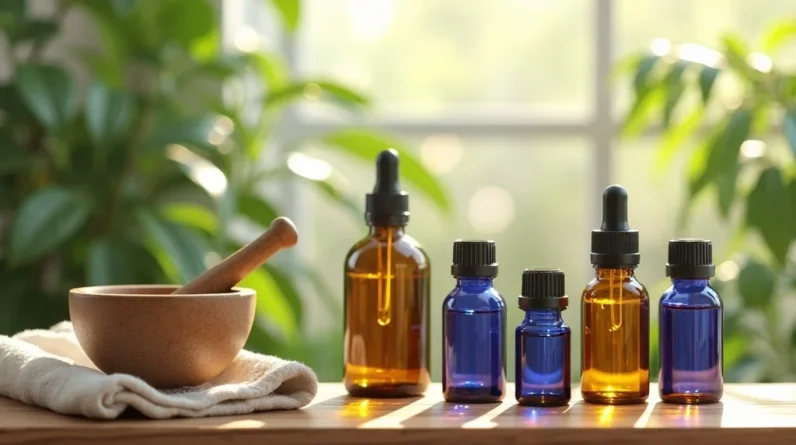


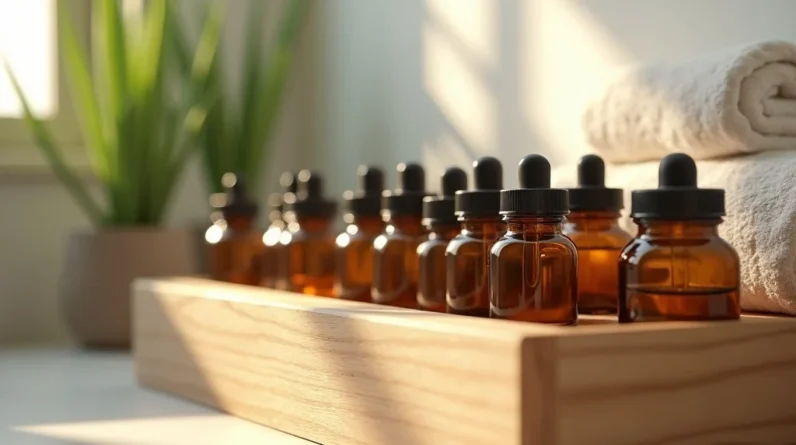
Ever opened your essential oils drawer, only to find leaky bottles, mixed-up labels, and a whiff of something that smells off? If you’ve paused on whether to fire up the diffuser or dab oil onto your wrist, you’re not alone
Ever Wonder: Which Is Best—Diffuser or Topical Essential Oils?
When it comes to building your own modern apothecary at home, one question stands at the center: Should you use essential oils in a diffuser, or apply them topically? The answer goes beyond simple preference or convenience—it’s about maximizing benefits, ensuring safety, and creating a routine you’ll actually enjoy
Whether your goal is relaxation in your living room or relief from a stubborn tension headache, choosing between diffuser vs topical essential oils means understanding your needs, your environment, and the specific qualities of the oils in your stash. Let’s unlock the practical differences—so your essential oil routine is as organized (and delightful) as your newly arranged drawer will be.
Your Messy Essential Oil Drawer: The Everyday Dilemma
It’s a classic scene for anyone who loves essential oils: unorganized storage, mystery bottles, and the nagging worry—”Am I even using these right?” These daily hurdles show the need for a better approach, not just in storing your oils, but in knowing exactly how and when to use them
Why ‘Diffuser vs Topical Essential Oils’ Isn’t Just About Scent or Skin
Most people assume it’s simply a question of scent versus skin—diffusers to make spaces smell great, topical for personal wellness. But here’s the real deal: Diffuser oils and topical applications unlock entirely different experiences, impacting mood, air quality, targeted relief, and even safety for pets and kids. Understanding their distinct benefits and risks transforms essential oils from just a fragrance product into a set of purposeful tools for self-care. In the sections ahead, we’ll explore why choosing the right method matters for your health, comfort, and peace of mind—plus, how to do it safely every single time.
What You’ll Learn: Diffuser vs Topical Essential Oils Simplified
- Differences between diffuser and topical essential oils use
- Benefits and risks of diffuser oils and topical oils
- How to choose diffuser oil vs topical application for your routine
- Step-by-step guide to proper essential oil organization and safety
- Pro blending tips and real-life essential oil routines
- Checklist for avoiding common essential oil mistakes
Essential Oil Basics: What Are Essential Oils, Diffuser Oils, and Topical Use?
Before diving into the details of diffuser vs topical essential oils, let’s clarify the basics. Essential oils are highly concentrated extracts from plants, obtained through methods like steam distillation or cold pressing. Their uses extend far beyond scent—thanks to their intense aromatic and functional properties. But how you use them (in an oil diffuser or on your skin) changes everything, from safety to results.
The crucial difference? Not all oils are safe for both uses
Defining Essential Oils and Diffuser Oils
The purpose? To add fragrance and ambiance to your living space using devices like an oil diffuser or reed diffuser
Diffuser oils can transform your environment with a few drops—think eucalyptus and lemon for freshness, lavender for relaxation, or peppermint and rosemary for focus. But because these oils are concentrated, using the correct type and amount for your diffuser is key to a healthy, enjoyable experience.
Understanding Topical Application of Essential Oils
To use essential oils topically means applying diluted oils directly onto your skin. The process almost always requires a carrier oil—such as jojoba, sweet almond, or fractionated coconut oil—to prevent irritation. When prepared correctly, oils topical applications target specific concerns like tense muscles, blemishes, or mood support points (like the temples or wrists). Tea tree oil for blemishes, lavender oil for soothing, and peppermint for tension relief are classic examples.
Remember, essential oils are concentrated and can cause reactions—so dilution is critical. Undiluted application (sometimes called “neat”) can result in burns, rashes, or long-term sensitivities, especially over repeated use. Always start with a small amount and perform a patch test.
“Think of essential oils as functional tools in your self-care kit—not magical cures but reliable rituals with practical value.”
Quick Checklist: Is Diffuser or Topical Essential Oils Right for You Today?
When you’re deciding between using your favorite essential oils and diffuser oils in the air or on your skin, run through this quick checklist:
| Attribute | Diffuser Oils | Topical Essential Oils |
|---|---|---|
| Main Purpose | Air fragrance, mood | Targeted body/skin care |
| Application | Room diffusion | Applied to skin (diluted) |
| Common Oils | Lavandin, lemon, eucalyptus | Tea tree, lavender, peppermint |
| Cautions | Respiratory concerns, pets, overuse | Dilution needed, allergies |
| Best For | Ambiance, passive use | Spot relief, routine care |
How to Use Diffuser vs Topical Essential Oils: Step-by-Step Guide
Now let’s get practical. Setting up a daily routine with diffuser vs topical essential oils starts by organizing your tools, selecting the right blends for your needs, and following basic safety rules. A well-planned routine helps you enjoy the rewards (aromatherapy, targeted support, cozy rituals) while sidestepping the pitfalls.
Setting Up Your Essential Oils and Diffuser Routine
Getting started doesn’t have to be overwhelming. Here’s how to establish a tidy, effective, and calming essential oil routine:
- Organize essential oils by type and use—separate diffuser oils from topical-safe oils.
- Choose your diffuser oil blend based on desired mood, time of day, or wellness goal (e.g., energize, relax, focus).
- For topical application, select oils suited to your specific skin concern or targeted need.
- Always dilute essential oils for topical use—never apply undiluted oils directly to your skin.
- Store fragrance oils and diffuser oils upright, away from sunlight and extreme temperatures to preserve potency.
- Clean your diffuser regularly to prevent buildup and maintain a pure fragrance experience each use.
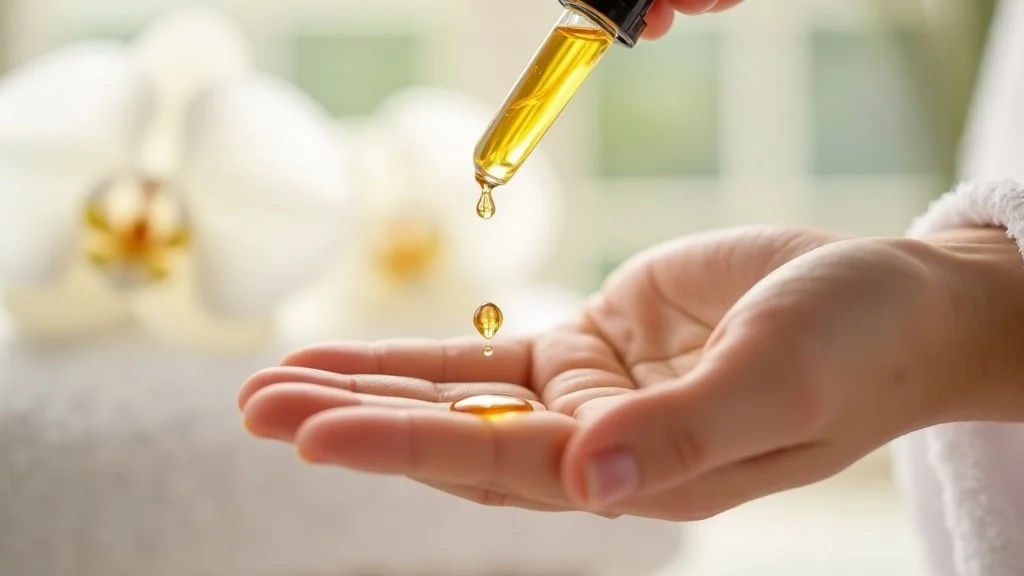
How to Safely Apply Essential Oils Topically
Applying oils topically lets you address specific concerns, but safety is key. Here’s your step-by-step guide:
- Select oils labeled ‘safe for topical use’—avoid anything containing “fragrance oil” or marked “diffuser only.”
- Mix a small amount (usually 1–3 drops) of essential oil with a suitable carrier oil (such as jojoba, almond, or coconut oil). Typical dilution is 1–3% (about 8–12 drops per ounce of carrier for adults).
- Patch test new blends on the inside of your forearm to check for irritation or allergy.
- Apply gently—temples, wrists, chest, or targeted sore spots are common. Avoid broken skin, eyes, and sensitive areas.
- Do not use undiluted oils topically. Even skin-friendly oils can burn or sensitize over time.
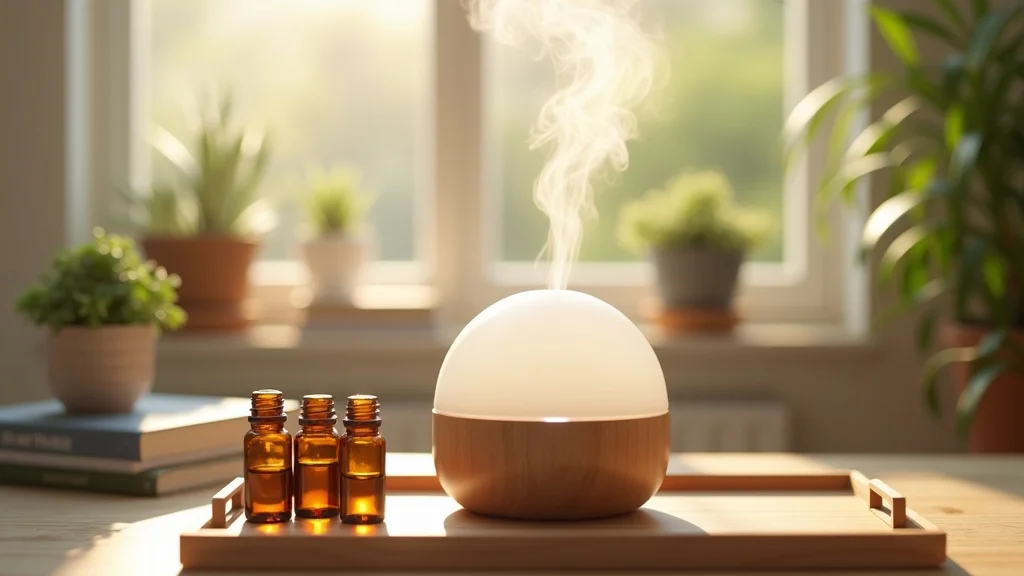
How to Safely Run an Essential Oil Diffuser
A diffuser oil can fill your room with refreshing or relaxing aroma, but safe use means following a few simple guidelines:
- Add only pure essential oils or diffuser blends marked ‘safe for diffusers’—never pour in “fragrance oil” or blends not intended for air diffusion.
- Stick to the recommended number of drops of essential oil (usually 5–10 drops per session, depending on room size and diffuser type).
- Ventilate the space, especially around pets, children, or individuals with respiratory conditions. Limit use to 30–60 minutes at a time.
- Clean your diffuser weekly to avoid buildup of old oils or mold. Use warm water and mild soap, rinsing thoroughly.
Best Practices: Storing Essential Oils, Diffuser Oils, and Topical Blends
Great routines start with smart storage. Whether you use essential oils and diffuser oils, or prepare custom blends for topical application, how you store your oils impacts their lifespan and effectiveness.
Simple Storage for Oils and Diffuser Oils
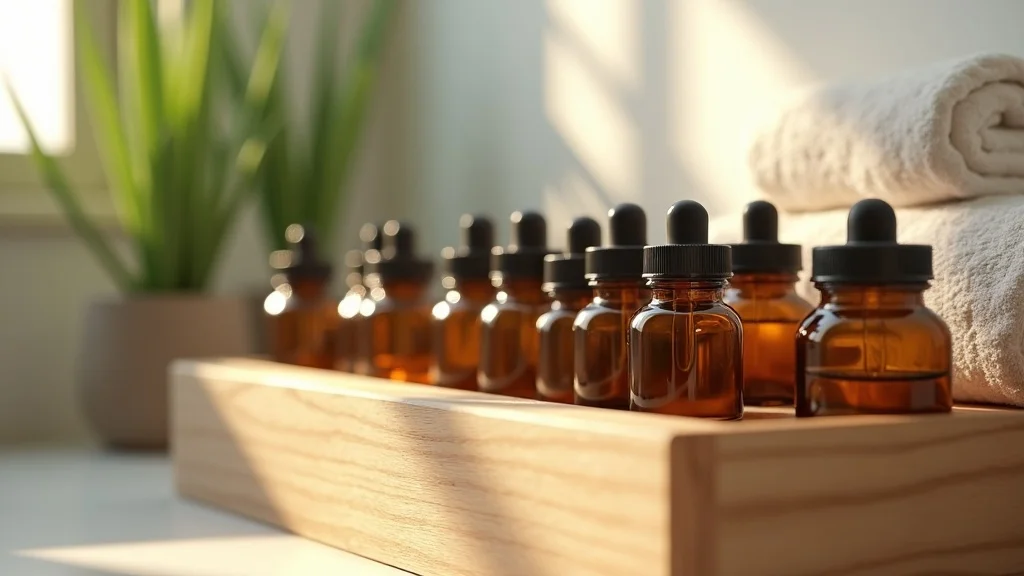
Keep all bottles upright, tightly closed, and away from direct sunlight or heat. Use a dedicated wooden box, a drawer insert, or a dark glass organizer to minimize air exposure. Label each bottle (especially DIY blends) with the oil type, intended use, and dilute ratio. Fragrance oils or open scents should always be kept isolated from pure essential oils to prevent cross-contamination. Consider placing an open box of baking soda nearby to neutralize accidental spills and keep your storage space fresh.
How to Make Your Own Essential Oil Blends for Diffuser and Topical Use
Creating your own blends is rewarding—and lets you customize for mood, skincare, or seasonal needs. For diffusers, blend top, middle, and base note oils using the 20-30-50 rule: 20% top notes (e.g., lemon), 30% middle notes (e.g., lavender), and 50% base notes (e.g., frankincense). For topical, always combine with a carrier oil. Keep tools (droppers, mixing bowls) clean and dry, and never reuse bottles without a thorough wash. Always record your recipes for future consistency.
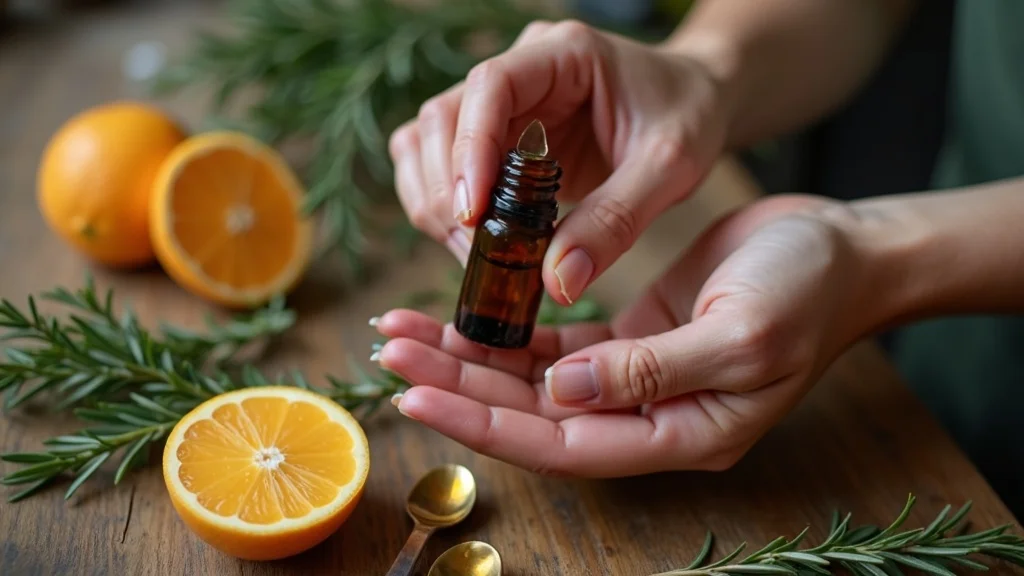
Recipe Time: Go-To Blends for Diffuser vs Topical Essential Oils
- Diffuser Blend – Cozy Evening: Lavender, frankincense, sweet orange
- Topical Blend – Sleepy Temple Roller: Lavender (diluted in carrier oil), chamomile
- Diffuser Blend – Focus & Clarity: Peppermint, lemon, rosemary
- Topical Blend – Tension Relief: Peppermint (diluted), eucalyptus
Mistakes to Avoid with Diffuser vs Topical Essential Oils
- • Never ingest essential oils
- • Do not apply undiluted essential oils topically
- • Avoid using around sensitive individuals (kids, pets, pregnancy)
- • Don’t use fragrance oils in a diffuser meant for essential oils
- • Overdiffusing—watch exposure time (max 30–60 minutes, ventilate rooms!)
Safety Note for Every Essential Oil User
“Not medical advice; don’t ingest essential oils, always dilute before topical use, patch test new blends, be cautious around children, pregnancy, and pets, and consult a professional if unsure.”
People Also Ask: Essential Oils Diffuser vs Topical Common Questions
Can you use essential oils for a diffuser on your skin?
Essential oils labeled for diffuser use may not always be skin-safe. Only use those marked for topical application, and always dilute with a carrier oil before applying to skin. Never use fragrance oils or undiluted essential oils topically. This helps prevent burns, rashes, and unwanted reactions.
Why do some essential oils say not for topical use?
Some diffuser oils or essential oils may contain irritants, synthetics, or concentrations unsafe for skin. Labels like “not for topical use” indicate risk of allergic reactions, burns, or sensitization. Respect these warnings and use only as directed on the intended surface—air, not skin.
What is the downside of diffusers?
Overuse of diffuser oils can cause headaches, respiratory irritation, or problems for pets and sensitive individuals. Always use essential oils and diffusers in well-ventilated spaces and never run continuously for long periods. Give your nose (and your pets!) a break by following recommended exposure times.
What is the 20 30 50 rule for essential oils?
The 20-30-50 rule is a guideline for blending essential oils for balance: top, middle, and base notes should comprise about 20%, 30%, and 50% of your blend, respectively. This applies to both diffuser and topical essential oils and helps create harmonious, lasting scents.
Key Takeaways: Diffuser vs Topical Essential Oils
- • Essential oils can be powerful tools—diffuser and topical each have distinct uses
- • Diffuser oils add ambiance and wellness cues to spaces
- • Topical oils target body, mind, and routine goals—always dilute
- • Blend, store, and apply with safety and intention
- • Check all labels, patch test, and keep your essential oil storage organized
FAQs: More on Diffuser vs Topical Essential Oils
- • How do I know if an essential oil is safe for my diffuser or skin?
- • What carrier oils work best for topical essential oils?
- • Can fragrance oils go in my diffuser?
- • How often should I clean my diffuser or roller bottles?
- • Are essential oils safe for pets and children?
Where to Begin: Organize Your Essential Oils and Try a Simple, Safe Routine
Ready for your own modern apothecary routine? Start by organizing your essential oils, checking every label for intended use, and beginning with a simple blend—diffused or diluted—that matches your goal for the day