

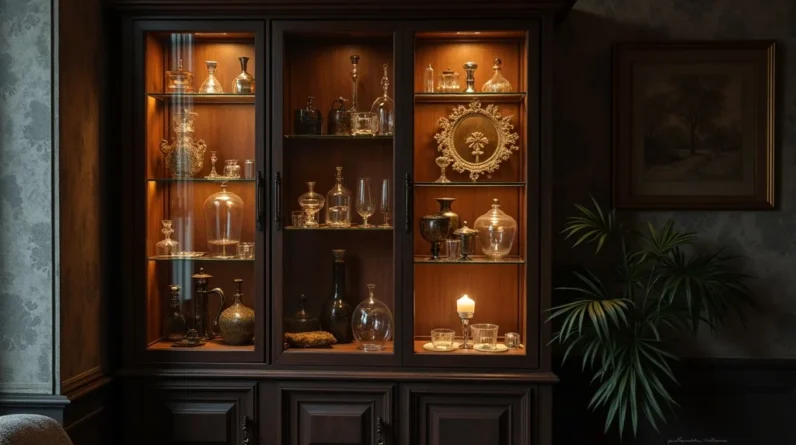
Did you know that 83% of curated collections lose visual impact if lighting is too harsh or too dim? Imagine a prized glass bottle refracting rainbow hues on your shelf, or a mysterious metal artifact half-shadowed in golden glow—lighting is what turns an ordinary curio cabinet into a visual narrative
Lighting Up Curiosity Cabinets: Why It Matters
The allure of a curio cabinet lies not just in the treasures within, but in the way each piece is revealed or hidden by light. Thoughtful cabinet lighting enhances fine details, intensifies colors, and creates that coveted “collected, not cluttered” effect. A well-lit shelf elevates even humble specimens—a cluster of labeled jars, a brass hourglass, or a faded botanical print—to museum-worthy objects.
Modern cabinet ligh options, from LED strip lights to puck and spot lights, offer versatile tools for illuminating everything from glass shelves to matte ceramics. With the addition of adjustable glass shelves, mirrored backs, and fine hardwood construction, your display gains depth and character—if you avoid the pitfalls of over-lighting or clashing color temperatures.
Lighting is more than display—it’s safety and preservation. LED lights are cool to the touch, which protects delicate items, while properly installed lighting reduces the risk of electrical hazards, especially in metal-framed or vintage cabinets. In sum: strategic cabinet lighting transforms a random assortment into a story-rich, stylish, and safe collection.
“An illuminated object has a story to tell—and the shadows help it whisper.”
Everything Starts with Atmosphere: The Right Curiosity Cabinet Lighting
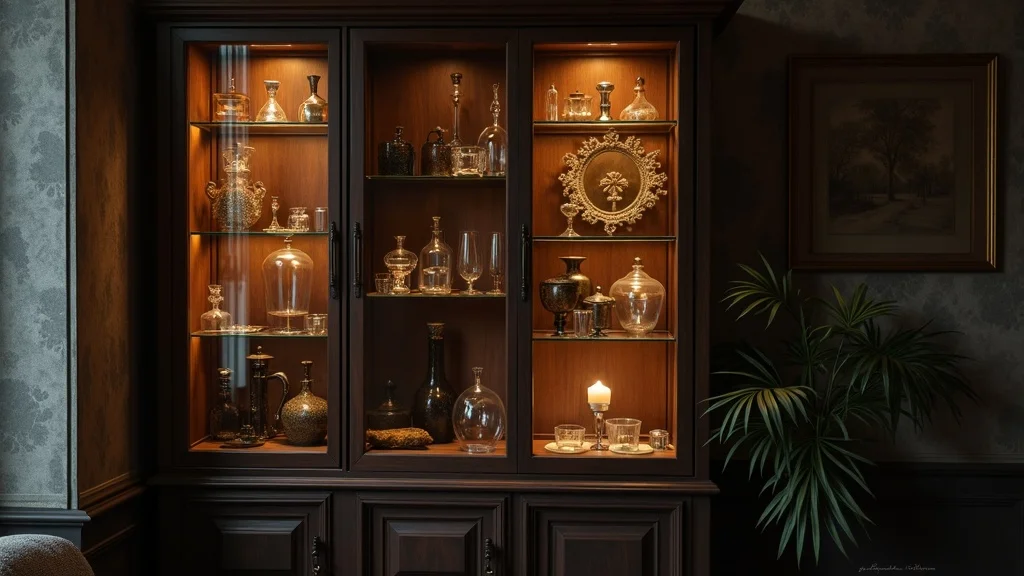
Step into a softly glowing cabinet, and you step into a world thoughtfully designed. Atmosphere begins with lighting that suits your style—whether you lean toward “modern gothic restraint” or “witchy but everyday” decor. The best curiosity cabinet lighting brings layered intrigue. Try cool-white LEDs for scientific or lunar themes, or golden hues for a Victorian vibe. The key: layer your light sources. Place ambient LED strips for a safe, even wash of light; add puck lights to focus on statement jars or metallic artifacts; use integrated lighting for a seamless, modern effect. Test lighting at night, and let the interplay of shadow and gleam guide your arrangement. The right cabinet ligh is what makes your curiosities—and their mysteries—shine.
What You’ll Learn About Curiosity Cabinet Lighting
- Key characteristics of effective curiosity cabinet lighting
- How to match lighting with glass, metal, and eclectic objects
- Avoiding common mistakes in cabinet lighting
- Styling formulas to make collections ‘collected, not cluttered’
Quick Definitions: Curio Cabinet, Cabinet Lighting, and LED Options
| Term | Definition | Common Use |
|---|---|---|
| Curio Cabinet | Display case for collectibles | Living room, office |
| Cabinet Lighting | Light used to illuminate cabinets | Highlighting and ambiance |
| LED Light/LED Strip | Energy-efficient lighting in strips or bulbs | Versatile, cool to touch |
Checklist: What to Look For in Curiosity Cabinet Lighting
- Compatibility with glass shelves and materials
- Color temperature: warm vs. cool
- Brightness settings and dimmers for cabinet lighting
- Directional vs. ambient lighting options
- Easy, safe installation (especially with metal or glass)
- Quality of LED lights or strip lights
- Price and longevity
Top Curiosity Cabinet Lighting Styles and Methods
LED Strip Lights: Seamless and Subtle Cabinet Lighting
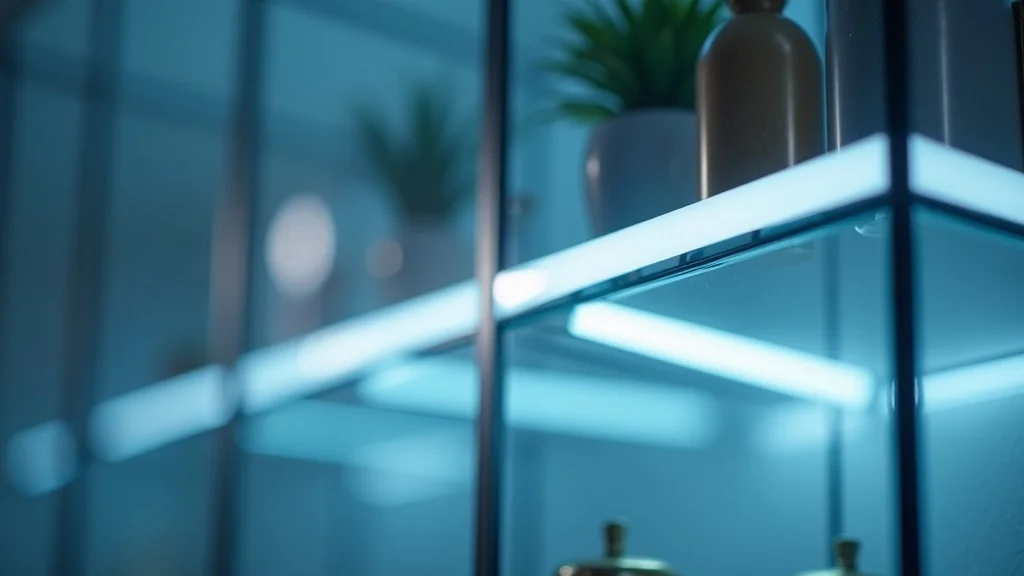
LED strip lights are the gold standard for modern, seamless cabinet lighting. They adhere easily to the front and back edges of glass shelves and provide a gentle, even wash of light—perfect for delicate items or a mirrored back display. Because LED strips are flexible and low-profile, they can be tucked out of sight, leaving only the glow. Look for options with adjustable color temperature to match your collection’s vibe: cool whites for a clean, museum feel or warm whites for timeless atmosphere. Properly installed strip light setups avoid hotspots and glare, making even a beginner’s cabinet design look like a gallery. Most modern units feature safe, enclosed wiring with male cord options for easy power.
LED strip lights are especially ideal for illuminating glass shelves and transparent jars, magnifying color and detail while keeping the spotlight off wiring and hardware. Choose rated, long-life LEDs for safety—especially for cabinets in a home or office—and opt for dimmable models when displaying reflective or vintage pieces. The best displays layer these strips with other cabinet ligh solutions, such as spot or puck lights, for both ambience and focus.
Spot and Puck Lights for Curio Cabinets and Glass Shelves
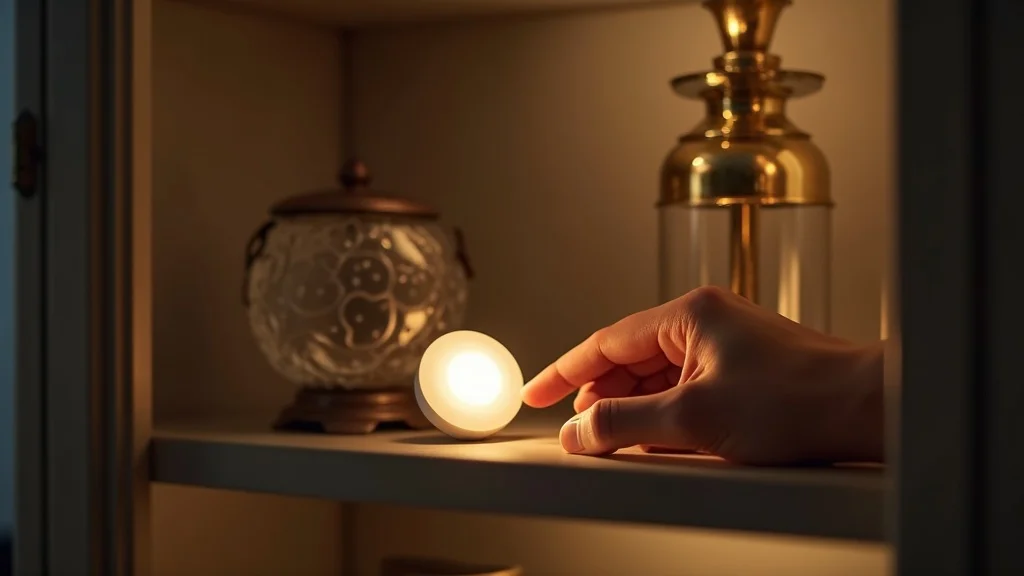
For collectors who want to put individual specimens in the spotlight, puck lights and spot lights are a preferred choice. These compact, often circular LED lights concentrate illumination on specific zones—ideal for highlighting a signature glass bottle, a row of ornate keys, or a metallic relic nestled in the corner. Puck lights can sit on top of, or even mount beneath, adjustable glass shelves, offering flexibility in your cabinet design without risky wiring around fragile items.
Spot lights with adjustable angles help to minimize glare, especially on shiny surfaces like mirrored back panels or metal artifacts. Many collector-friendly brands now offer wireless or battery-operated puck lights, reducing installation risk—especially in cabinets with glass back panels or select hardwoods and veneers. Look for models with simple tap controls or remote dimming. The key: use puck lights to create focal points on one or two standout objects, letting softer ambient LED lighting do the rest of the visual heavy lifting.
Integrated LED Cabinet Lighting for Modern Vibes
For a fully seamless, “custom install” look, integrated LED cabinet lighting is a time-saving solution worth considering. Many new curio cabinets now come with built-in LED strip lights or pinpoint fixtures along the inside edges, offering even light coverage with minimal hardware exposure. Integrated interfaces often pair with dimmers and color-tuning controls, allowing you to shift from bright task lighting (for dusting or organizing) to mood lighting for nighttime display. These lighting solutions are generally cool to the touch, low-voltage, and designed for safety—even in installations involving mixed metal and glass.
Modern, integrated lighting is synonymous with “gallery-ready.” For example, Howard Miller’s high-end cabinets frequently feature adjustable glass shelves paired with integrated LED lighting, yielding a look that is both timeless and contemporary. The advantage: everything is pre-engineered for your cabinet size and shelf arrangement, which reduces the risk of improper wiring, mismatched lighting, or unsightly cables.
Magnetic and Battery-Operated Cabinet Lights: Flexible Solutions
Not every curio collector wants—or needs—to hardwire their cabinet light. For renters or anyone wanting quick upgrades, battery-operated and magnetic lighting units deliver both convenience and flexibility. Modern magnetic LED lights stick directly to steel or iron supports in cabinets and allow for easy repositioning as your display evolves. Battery-operated puck and strip lights avoid wiring headaches, especially inside glass or antique cases. Just ensure you choose models with a solid energy rating and safe battery enclosures to prevent accidental leaks that could damage your collection.
These solutions are especially helpful for “dark corners” in larger or oddly shaped cabinets, or for creating spot focus under tight glass shelves. Always check for “cool touch” and child-safe casing, especially if your display lives in a family space. The latest designs now feature rechargeable options, motion sensors, or remote on/off—all innovation aimed at making your collecting safer and more accessible.
Matching Lighting to Glass, Metal, and Moody Objects
How to Highlight Glass Shelves and Delicate Items
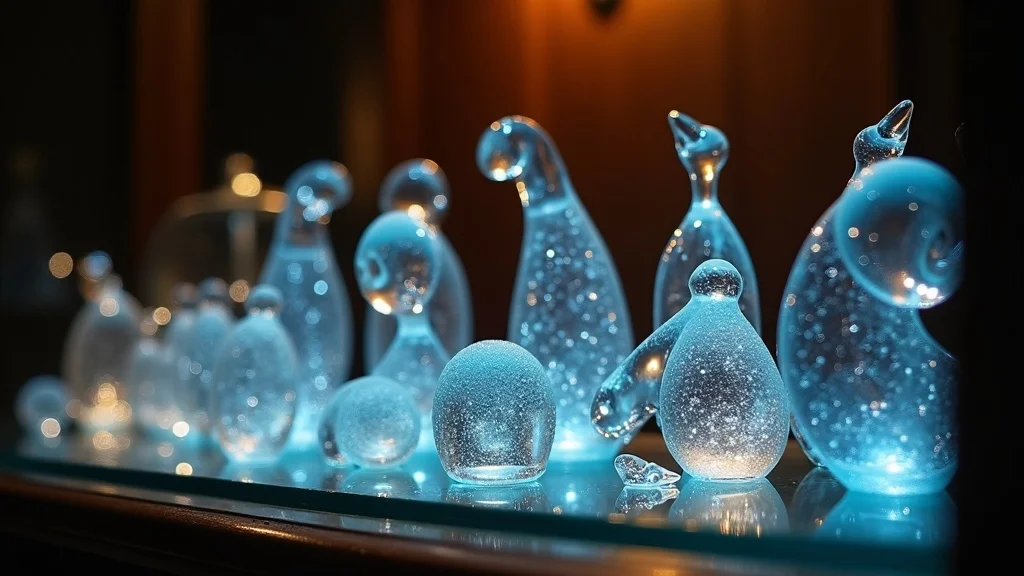
The beauty of glass shelves and crystal-clear curios is in the way light refracts, bounces, and sparkles around the objects. For maximal impact, place LED strip lights beneath or along the rear edges of glass shelves to create glowing “ribbons” of light that lend a sense of elevation and depth. This technique works especially well for delicate glass figurines, scientific jars, or potion bottles—hints of rainbow occasionally glancing off the glass. Use cool white tones to bring out clarity and definition, but remember to dim the brightness to prevent over-exposure (and preserve your night vision).
Pairing lit glass shelves with a mirrored back amplifies the light source, making your display appear twice as full. Avoid direct spotlights on clear items; instead, let under-shelf or shelf-edge lighting do the heavy lifting. For safety, always check that your lighting solution is fully compatible with glass to avoid cracking or hazardous heating—modern adhesive strip lights are a perfect fit for this task.
Accent Lighting Tips for Metal and Reflective Elements
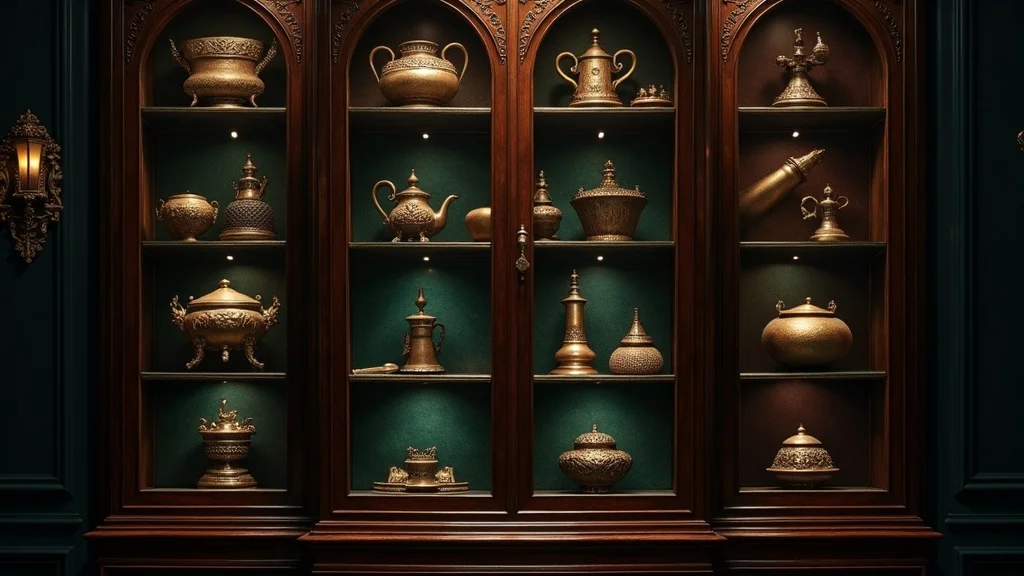
Metal artifacts, brass instruments, or glossy ceramics deserve a lighting strategy that intensifies their gleam without succumbing to glare. Angle spot lights or puck lights at 30 to 45 degrees from above or beside to accent nails, keys, mirrors, or reflective trinkets. This directional approach throws bold shadow lines and accentuates texture, especially in matte or aged finishes.
For collections heavy on metallic finds, experiment with warmer LED lights (soft white or golden tones), which echo museum and gallery settings. Integrated dimmers add further flexibility, preventing unwanted glints or eye-level reflections. A quick trick: pair accent lighting with dark, matte backgrounds—like velvet, stained wood, or archival-quality paper—to create drama and emphasize every highlight on the object’s surface.
Creating a Moody, Layered Cabinet Lighting Effect
For those seeking a true “curator with a flashlight” look—a vibe both mysterious and sophisticated—the secret lies in layered lighting. Combine ambient washes (LED strips hidden at the case perimeter or beneath shelves) with focused accent lights on signature pieces. Let shadows fall intentionally over less prominent objects: the interplay of light and darkness is what separates a collected cabinet from a crowded shelf.
Use diffused strip lights for background mood, interspersed with spots of added brightness on statement jars, medical tools, or gothic artifacts. Experiment with color temperatures: pure white for clean botanica, golden ambers for antique or Victorian themes, deep blues for “moonlit” effects. Even a single cabinet ligh can create a layered effect—try angling it to create pockets of shadow that hint at more to explore. This technique is a hallmark of museum-grade display, and it’s attainable with basic tools and careful arrangement.
Common Curiosity Cabinet Lighting Mistakes (And How to Avoid Them)
- Over-brighting: Too much light flattens features and erases contrast; keep mystery alive with pockets of shadow.
- Misplaced strip lights creating hotspots: Place LED strips behind or beneath shelves, not directly in viewers’ sightlines.
- Improper wiring: Don’t risk DIY in metal or glass cabinets—use only products with enclosed, certified wiring.
- Clashing color temperatures: Match lighting tones with the mood of your collection—avoid mixing bright blue LEDs with warm wood backs or antique finishes.
- Neglecting maintenance and clean installation: Clean every surface and check batteries regularly for reliable, long-lasting lighting.
A Step-by-Step Styling Formula: ‘Collected, Not Cluttered’ Lighting
- Plan your theme: modern gothic, specimen, dark academia, etc.
- Choose focal pieces for spotlighting
- Add layers: mix ambient and accent cabinet lighting
- Balance glass shelves and opaque objects
- Test at night for effect—adjust as needed
A short walkthrough video of lighting installation in a curiosity cabinet—showing practical steps, from placing LED strips, adjusting puck lights, and testing different color temperatures, blending practical advice with shots of beautifully illuminated cabinet details.
People Also Ask: Curiosity Cabinet Lighting
What is the best lighting for curio cabinets?
The best lighting for curio cabinets is a combination of LED strip lights for even base illumination and puck or spot lights for highlighting special items. Choose adjustable color temperature LED lights to match your collection and cabinet materials. Always prioritize safety, easy installation, and optical clarity, especially if you have glass shelves or mirrored backs.
Does anyone use curio cabinets anymore?
Absolutely—curio cabinets are experiencing a style renaissance, especially in homes styled as “modern gothic,” dark academia, or minimalist museums. Today’s cabinets are often updated with modern LED cabinet lighting solutions, adjustable glass shelves, and carefully curated, themed collections. They’re as relevant for design enthusiasts and collectors as ever, blending history and contemporary display.
What is the current trend for kitchen lighting?
While the focus here is curiosity cabinets, kitchen trends are leaning toward undercabinet LED strip lighting, smart controls, and soft, adjustable ambient tones. Many collectors use the same LED strip lights for kitchen cabinet lighting as they do in display cabinets, combining energy savings with beautiful, functional design. Look for magnetic, battery-operated, or integrated LEDs for a clutter-free counter and display vibe.
Is undercabinet lighting worth it?
Yes, undercabinet lighting—whether in kitchens, display cases, or home offices—adds value by illuminating workspaces, highlights, and important objects without harsh overhead glare. In a curiosity cabinet, this means your collections receive the attention they deserve while enhancing the mood and safety of your space. Energy-efficient LED lights make this upgrade easy and affordable.
Curiosity Cabinet Lighting Buying Tips & Trust Cues
- Buy from reputable brands focused on safety
- Look for product reviews and real collector testimonials
- Avoid low-quality wiring and unsafe LED products
- Opt for authenticity in lighting temperature and install methods
Quick FAQs on Curiosity Cabinet Lighting
- Can I use adhesive LED strip lights inside glass cabinets?
Yes, adhesive strip lights are safe and effective for glass shelves. Make sure the adhesive is rated for glass and the lights are low-heat, to protect both the shelf and your items. - How do I clean metal shelves with integrated lighting?
Unplug or turn off the lights before wiping down metal shelves. Use a soft, dry or slightly damp cloth and avoid harsh chemicals that could damage wiring or finishes. - Are battery-operated puck lights effective in dark corners?
Yes, battery-operated puck lights are ideal for illuminating hard-to-reach spots or portable displays without needing wiring. Choose rechargeable models for cost savings. - Do I need a professional to install cabinet lights?
For basic adhesive LED strip or battery units, professional help isn’t necessary. However, if you’re hardwiring lighting into a cabinet—especially one with metal or glass—a licensed electrician is recommended for safety.
Key Takeaways for Creating a Curated, Well-Lit Cabinet
- Layer different cabinet lighting types for best effect
- Match lighting to materials and collection mood
- Avoid over-lighting—embrace contrast and shadow
- Prioritize safety with all cabinet lighting installations
If You’re Building a Cabinet Vibe, Save This Lighting Checklist
If you want your curiosity cabinet to feel truly “collected, not cluttered,” bookmark this guide or share it with a fellow collector. Whether it’s your first glass shelf or a full dark academia showcase, the right cabinet lighting makes every story shine.
Conclusion: ‘Collected, Not Cluttered’—Curiosity Cabinet Lighting as Art
In the world of curiosity cabinets, mindful lighting is everything. It transforms odds and ends into an immersive exhibit, ensuring every object’s story comes alive—one gentle beam or shadow at a time.