

Ever opened your apothecary drawer to find leaky bottles, mystery scents, or oils that have gone rancid? Or maybe you’ve mixed up a promising essential oil blend, only to wonder why it left your skin dry or didn’t have the impact you expected
Carrier Oils 101: Why Base Oils Matter for Essential Oil Blends
“Did you know that over 70% of an effective essential oil blend’s results depend on the right carrier oil choice? Yet, most home apothecaries overlook this crucial step.” – Modern Apothecary Insights
Think of carrier oils for essential oils as the foundation to every blend, much like bread cradling a sandwich filling. These unscented or mildly scented plant oils—pressed from seeds, nuts, or kernels—dilute potent essential oils, allowing them to nourish your skin safely while delivering powerful results. The base oil isn’t just a “filler”—it modulates absorption, amplifies therapeutic effects, and determines the shelf life and comfort of your homemade remedies. That’s why selecting the right carrier oil for the goal—be it for face, body, hair, or massage—directly shapes the feel, effectiveness, and safety of your custom oil blend.
Whether you’re blending for skin care, making a relaxing massage oil, or crafting a hair elixir, understanding carrier oils like jojoba oil, almond oil, or avocado oil is key. The wrong match can lead to irritation, clogged pores, or wasted essential oils, while the right choice boosts absorption, soothes the senses, and helps your creations stand the test of time. Let’s dive into the world of nut oils, seed oils, and kernel oils and unlock the science and art behind pairing base oils with essential oils.
Defining Carrier Oils for Essential Oils: The Unsung Heroes of Aromatherapy
Carrier oils are plant-derived oils that carry essential oils onto the skin during topical application. Unlike concentrated essential oils, carrier oils are rich in fatty acids—like oleic acid—vitamin E, and other nutrients. They provide slip for easy massage, moisturize and nourish, and make it safe to use potent essential oils by preventing skin irritation. Common carrier oils include jojoba oil (a seed oil), sweet almond oil (a nut oil), and apricot kernel oil (a kernel oil). Each oil brings its unique texture, absorption rate, and benefits, making them truly the unsung heroes in your blend.
Choosing the right carrier not only determines the feel and function of your blends, but also supports the delivery of essential oils without overwhelming delicate skin. Carrier oils allow you to safely and creatively enjoy the world of aromatherapy, transforming intense essential oils into nurturing rituals for skin and hair.
How Carrier Oils Interact with Essential Oils: Unlocking Synergy
Carrier oils and essential oils form a powerhouse partnership. While essential oils offer potent aromas and bioactive compounds, carrier oils dilute these extracts for gentle, effective topical application. When combined, carrier oils serve as the vehicle—literally carrying volatile essential oils through the skin barrier. The fatty acids and plant nutrients in base oils help ‘anchor’ the scent, slow down the evaporation of essential oils, and can even enhance their absorption. This synergy not only protects your skin, but maximizes the efficacy and longevity of your oil blends.
The choice of carrier oil influences how quickly an essential oil blend absorbs, how it smells over time, and which skin concerns it targets. For instance, jojoba oil mimics natural sebum for facial blends, while thicker oils like avocado oil provide deep nourishment for dry skin. Some base oils even add their own subtle aroma and therapeutic effects to the mix—further customizing each blend to your needs.
Safety First with Carrier Oils for Essential Oils: Dilution, Application, and Storage Tips
Safety is never optional in the home apothecary. Always dilute essential oils in an appropriate carrier oil before topical application—never apply essential oils “neat” (undiluted) to the skin. A standard dilution is 1–3% essential oil to carrier oil: for most adults, 1 drop of essential oil per 1 teaspoon of carrier oil is a safe start. Patches test new blends—especially those with nut oil or seed oil bases—on a small area before broad use, and store your carrier oils in cool, dark conditions in tightly sealed, labeled containers. Rotate older stock and check for changes in scent, color, or texture, as expired or oxidized oils can cause skin irritation or reduce blend quality.
Remember: This is not medical advice. Do not ingest carrier oils or essential oils. Always dilute essential oils before use on skin, consult a healthcare provider for sensitive groups (babies, pregnant women, pets), and seek professional input if you’re unsure about your blends.
What You’ll Learn in This Guide to Carrier Oils for Essential Oils
- The science behind carrier oils for essential oils and their core functions in blends
- A practical checklist for choosing the ideal carrier oils
- Profiles of seed oil, nut oil, and kernel oil
- Popular carrier oils: benefits, drawbacks, and unique uses
- Mistakes to avoid when using carrier oils for essential oils
- Safe application, dilution tips, and storage practices
Quick Checklist: How to Choose the Best Carrier Oils for Essential Oils
- Skin type & sensitivities: Is your skin oily, dry, sensitive, or normal? Avoid nut oils if allergies are present.
- Preferred absorption rate: Do you want light, fast absorption or a richer, lingering oil?
- Scent compatibility: Some base oils have a subtle aroma—does it complement your essential oils?
- Oil shelf life: Some carrier oils oxidize quickly; check shelf life for storage needs.
- Purpose of your oil blend: Are you making skin care, massage, hair oil, or bath blends?
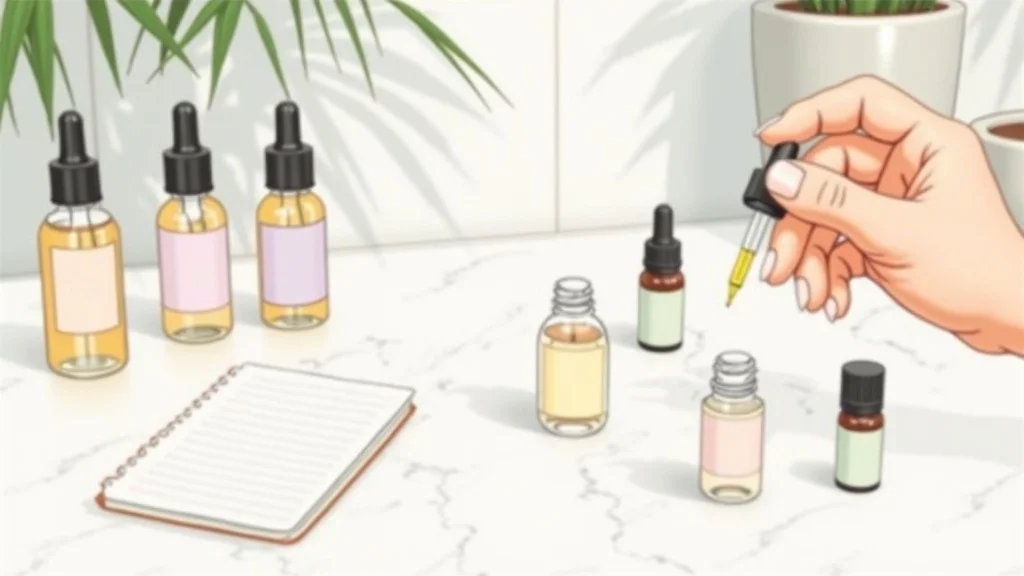
Table: Overview of Popular Carrier Oils for Essential Oils
| Carrier Oil | Type (Seed/Nut/Kernel) | Absorption Rate | Best For | Shelf Life | Notable Cautions | Popular Essential Oils to Pair |
|---|---|---|---|---|---|---|
| Jojoba Oil | Seed Oil | Medium | Face care, scalp | 1-2 yrs | Avoid with nut allergies | Lavender, Tea Tree |
| Sweet Almond Oil | Nut Oil | Medium | Massage, dry skin | 6-12 mo | Nut allergies caution | Peppermint, Eucalyptus |
| Avocado Oil | Fruit/Seed Oil | Heavy | Rich moisturization | 6-9 mo | May feel greasy | Frankincense, Rosemary |
| Coconut Oil (Fractionated/Unrefined) | Fruit Oil | Light-Heavier | Body, hair | 1-2 yrs | Some comedogenic risk | Ylang-Ylang, Orange |
| Apricot Kernel Oil | Kernel Oil | Light | Sensitive skin | 12 mo | Watch for nut allergies | Chamomile, Rose |
| Argan Oil | Nut Oil | Medium | Hair, anti-aging | 18-24 mo | Nut allergies | Geranium, Clary Sage |
| Grapeseed Oil | Seed Oil | Light | Massage, oily/combination skin | 6-12 mo | Can oxidize quickly | Bergamot, Juniper |
Popular Carrier Oils for Essential Oils: Profiles, Benefits, and Use Cases
Jojoba Oil: The Liquid Wax Seed Oil for Skin and Hair
Highly prized for its similarity to human sebum, jojoba oil is a top seed oil in facial and hair care blends. Technically a wax ester, it’s non-comedogenic and deeply moisturizing without clogging pores. Its medium absorption makes it a favorite for skin care, scalp soothing, and balancing combination skin. Jojoba is gentle enough for sensitive skin and provides an ideal base for essential oils like lavender or tea tree. It’s also excellent for maintaining oil balance and supporting healthy hair because it mimics the scalp’s natural oils.
A key benefit of jojoba oil lies in its stability and long shelf life. This makes it reliable for blends you’ll use over several months. Always check its subtle, nutty aroma for freshness, and consider its mild golden hue and silky texture for facial serums, beard oils, or scalp treatments. Avoid if you have known nut allergies.
Sweet Almond Oil: The Versatile Nut Oil for Daily Blends
Trusted for centuries in natural beauty routines, sweet almond oil is a quintessential nut oil—rich in fatty acids and vitamins A, E, and D. Notably lightweight, it glides smoothly over skin, making it ideal for massage oils and blends intended for dry skin. Its gentle scent complements floral and herbal essential oils like peppermint, eucalyptus, or chamomile. Additionally, almond oil’s medium absorption rate and affordability make it a common staple, fit for daily use in body or bath blends.
Take caution if you have any nut allergies. For everyone else, sweet almond oil serves as a workhorse for oil blends, offering conditioning effects for both the skin and hair. Incorporate it into hand lotions, massage oils, or soothing bath concoctions. It’s also remarkable as a makeup remover or baby oil base when adequately diluted and tested for sensitivity.
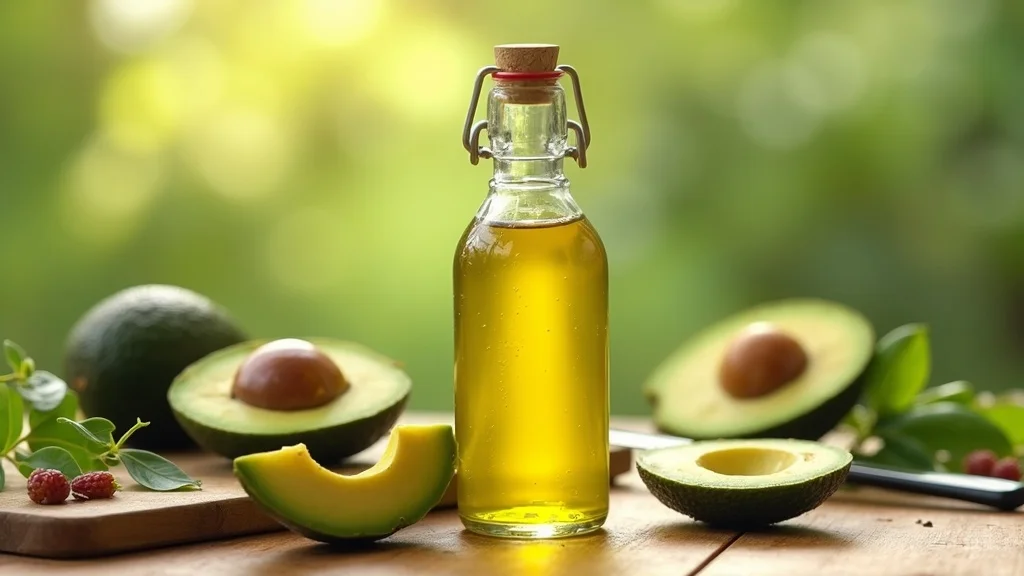
Avocado Oil: Rich, Nourishing Seed Oil for Deep Care
Packed with vitamins and antioxidants, avocado oil is a robust, rich seed oil perfect for intense repair and moisture. Its thick, green-tinged texture is high in oleic acid, making it an outstanding base for mature or dry skin in need of replenishment. Because it is heavier, avocado oil excels in nighttime facial serums, healing salves, and body balms. It locks in hydration while improving skin elasticity and texture.
While its weight makes it less ideal for oily or acne-prone skin, it shines when paired with grounding essential oils like frankincense or rosemary. Try blending avocado oil with lighter oils for a balanced, nourishing oil blend. Be aware: the richness can feel greasy, and the pale green color might slightly tint your DIY creams or lotions.
Coconut Oil: Classic Choice—Fractionated vs. Unrefined for Essential Oils
Famed for its versatility, coconut oil is a unique base oil that comes in two primary versions: fractionated (liquid, clear, odorless) and unrefined (solid at room temp, distinct coconut scent). The fractionated version absorbs more quickly, feels lighter, and resists solidifying—making it ideal for body or hair blends. Unrefined coconut oil, on the other hand, is richer and more protective for dry or irritated skin and can add a pleasant tropical aroma to blends.
Both are high in medium-chain fatty acids like lauric acid and capric acid, making them powerhouses for moisturizing and skin barrier repair. However, coconut oil can be comedogenic for some skin types, potentially clogging pores when used on the face. Use it for massage oils, hair masks, after-sun soothers, or as a carrier for vibrant essential oil blends like ylang-ylang, sweet orange, or cedarwood.
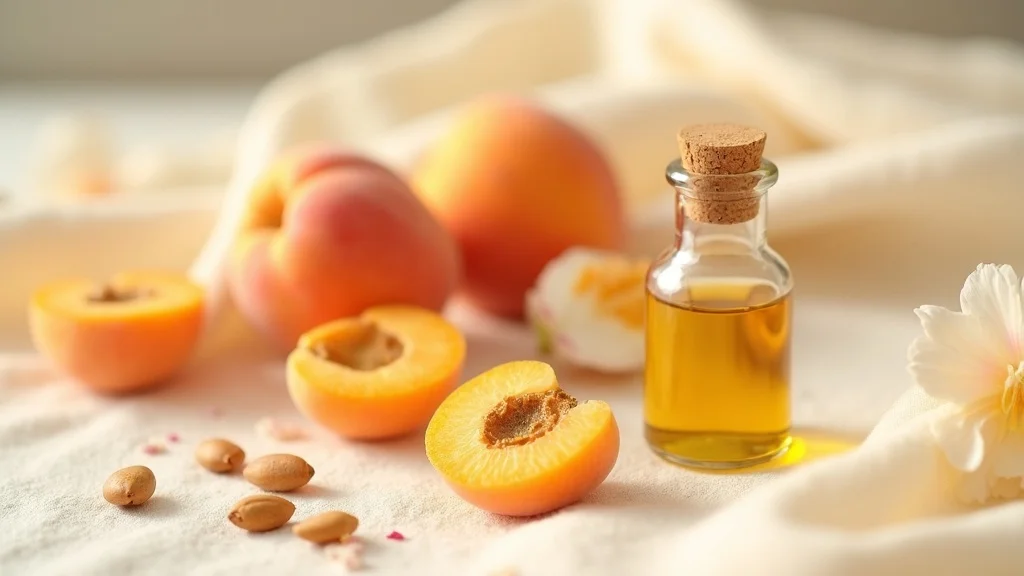
Apricot Kernel Oil: Light, Sensitive-Skin Kernel Oil for Delicate Blends
Gentle, lightweight, and easily absorbed, apricot kernel oil is an excellent choice for sensitive skin and those prone to allergies. As a kernel oil, it features a high content of linoleic acid and vitamin E, making it ideal for soothing facial serums, under-eye oils, and blends for delicate or mature skin. With a mild scent, it rarely interferes with the aroma of essential oils.
Apricot kernel oil’s fast absorption rate means it leaves little residue—great for daytime blends or quick-absorbing body oils. Pair it with calming oils like chamomile or rose for luxurious, skin-loving daily care. As always, patch test if you have nut sensitivities or are prone to skin reactions.
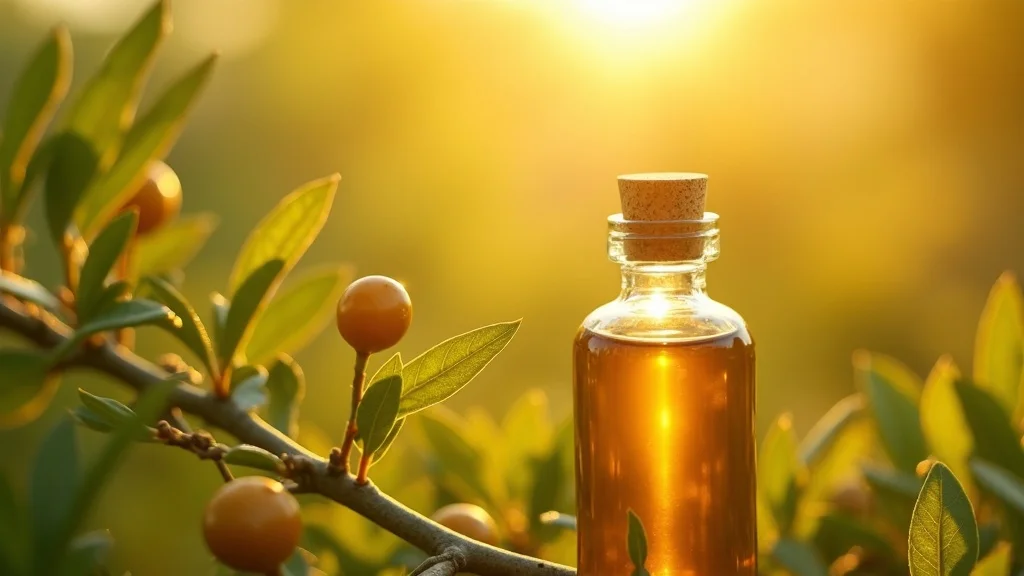
Argan Oil: Nut Oil for Anti-Aging and Hair Health
Hailing from Morocco, argan oil is a celebrated nut oil full of antioxidant-rich fatty acids (such as oleic and linoleic acids) and vitamin E. Its silky, nourishing consistency works wonders in anti-aging blends, hair repair serums, and cuticle care. Argan oil absorbs at a medium rate, leaving skin soft and not greasy, and it helps tame frizz when used in hair blends.
Popular in hair masks, facial serums, and dry-point body balms, argan oil adds a touch of luxury and effectiveness to your apothecary. Use it to pair with floral and earthy essential oils like geranium and clary sage. As a nut oil, always patch test or avoid if you have nut allergies or sensitivities.
Grapeseed Oil: Light Seed Oil for Fast-Absorbing Blends
If you crave a feather-light, non-greasy feel, grapeseed oil is a fast-absorbing seed oil known for high linoleic content and subtle astringent properties. Its quick-dry finish makes it a favorite for oily or combination skin, and it’s a popular base for massage oils thanks to its smooth glide and minimal scent. The oil is high in antioxidants, helping protect the skin’s barrier with daily use.
Note that grapeseed oil’s shelf life is shorter than many others, so buy in small amounts and store carefully to prevent oxidation. It pairs especially well with citrus and herbal essential oils, like bergamot or juniper. Avoid using old, oxidized oil—freshness maintains performance and prevents potential irritation.

Not Just for Essential Oils: Secondary Uses for Carrier Oils in Skin Care, Hair, and More
- Moisturizer and serum base
- Hair and scalp treatments
- Massage blend foundation
- Bath and body oils
- DIY scrubs and salves
How to Blend: Simple Recipes with Carrier Oils for Essential Oils
Everyday Skin Care Oil Blend (for Face & Body)
Create a gentle daily moisturizer by combining 1 oz jojoba oil (for balance), ½ oz apricot kernel oil (for silky feel), and up to 4 drops lavender essential oil (for calm) in a small amber glass bottle. Shake gently to blend. Apply a small pump to clean skin, patting in for full absorption. Always patch test before regular use.
Massage Oil with Carrier Oils and Essential Oils
For a classic massage oil, mix 2 oz sweet almond oil with 1 oz grapeseed oil and 5–8 drops of selected essential oils (try peppermint and eucalyptus for refreshment, or lavender for relaxation). Swirl well and use for soothing muscle massage or after-bath skin care. Adjust essential oil strength for sensitive users and avoid any known allergens.
Nourishing Hair Oil with Seed Oils and Essential Oils
Whip up a revitalizing hair treatment by blending 1 oz argan oil, 1 oz coconut oil (fractionated), and 3 drops rosemary or geranium essential oil. Apply sparingly to towel-dried hair ends or as a scalp treatment, massaging in and leaving for 30 minutes before rinsing thoroughly.
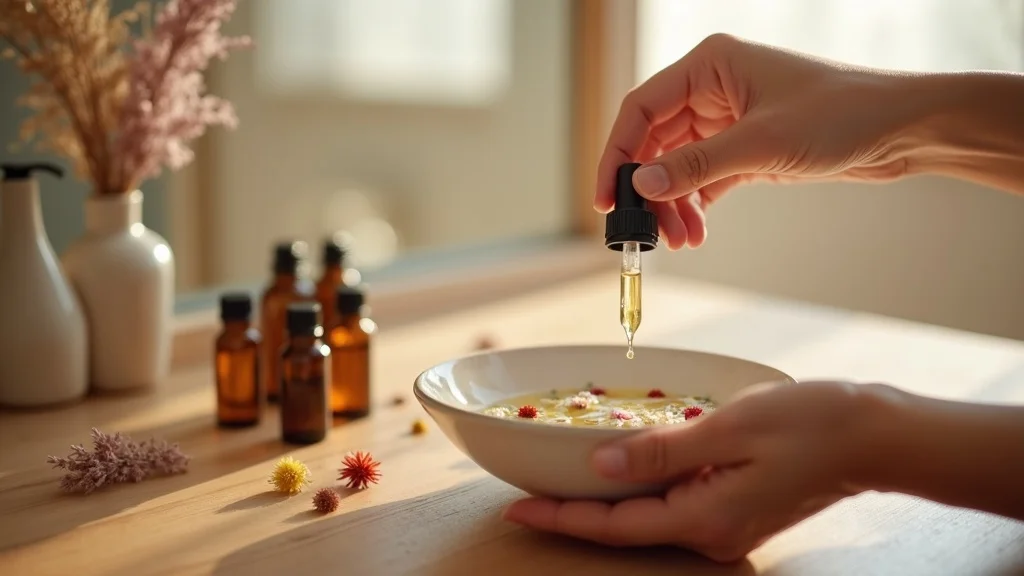
Safety-First Roll-On Blends: Properly Diluting Essential Oils
A simple roll-on blend starts with a 10ml glass roller bottle, filled with your favorite carrier oil (try jojoba or sweet almond oil), and up to 6 drops total of pure essential oil (less for children or facial application). This keeps the dilution gentle—usually around 2%. Mix gently and label the bottle for your records. Roll on to pulse points, wrists, or temples as a portable aromatherapy ritual. Always patch test, especially for nut or seed oil sensitivities.
Safety Note: This guide is not medical advice; never ingest essential or carrier oils, always dilute essential oils, patch test all new blends, avoid or consult for use on children, during pregnancy, or on pets, and seek professional advice for specific health conditions or questions about your blend.
Common Mistakes to Avoid with Carrier Oils for Essential Oils
- Using expired or oxidized oils (can cause irritation or diminish effectiveness)
- Neglecting to patch test (especially nut or seed oils, which can trigger allergies)
- Incorrect carrier oil to essential oil dilution ratios (too strong can burn or irritate skin)
- Improper storage (light, heat, air exposure shortens shelf life)
- Overlooking personal allergies or skin conditions (nut oils, sensitivities)
Practical Storage and Organization Tips for Carrier Oils and Essential Oils
- Use dark glass bottles, stainless steel, or high-quality plastics for storage
- Label each blend with contents and date—for safe rotation and easy reference
- Keep oils in a cool, dark place away from direct sunlight, and organize your apothecary cabinet for daily ease

Safety and Precautions When Using Carrier Oils for Essential Oils
- Not medical advice. Don’t ingest carrier or essential oils; always dilute essential oils for topical use.
- Patch test all new blends and carrier oils, especially if your skin is sensitive.
- Avoid use (or consult a professional) with children, during pregnancy, or with pets present.
- If you’re unsure about your blend, seek advice from a certified aromatherapist or medical professional.
People Also Ask: Carrier Oils for Essential Oils FAQs
Which carrier oil is best for essential oils?
Answer
The “best” carrier oil for essential oils depends on your skin type and intended use. Jojoba oil is ideal for facial blends and mimics skin’s natural oils, while sweet almond oil works well in massage blends and avocado oil deeply nourishes very dry skin. Always consider allergies, absorption rate, scent, and blend purpose.
Can olive oil be used as a carrier oil?
Answer
Yes, olive oil can be used as a carrier oil—it’s rich in oleic acid and antioxidants. However, it’s heavier and more strongly scented than other carrier oils, which may affect absorption and aroma in your blend. Choose extra virgin, cold-pressed olive oil and use in body or hair blends—not for acne-prone skin.
Which oil is the queen of all oils?
Answer
Argan oil is often called the “queen of all oils” thanks to its rich content of fatty acids, vitamin E, and powerful antioxidant properties. Renowned for its benefits in both anti-aging facial care and luxurious hair care, it’s a prized nut oil in premium blends.
Which essential oils should you not mix together?
Answer
Some essential oils can react negatively when blended—especially if they share similar chemical constituents or are both highly potent (like clove and cinnamon). Always avoid combining several skin-irritant oils, and consult blend charts or a certified aromatherapist for safe combinations. For topical application, keep all blends gentle and always dilute essential oils.
“Every apothecary starts with a single bottle—but an organized blend ritual turns essentials into everyday magic.”
Key Takeaways: Making Carrier Oils Work for Your Essential Oils and Routines
- Choose carrier oils with your skin type and blend goals in mind
- Always dilute essential oils and perform a patch test
- Rotate and store carrier oils properly for longer shelf life
- Experiment and document your oil blends for future success
Next Steps: Start Organizing Your Modern Apothecary Today
Now that you understand carrier oils for essential oils, take 10 minutes to audit your oil drawer. Toss expired bottles, pick 1–2 new oils to try, label and date your favorites, and start your next blend with intention. A well-organized apothecary is the foundation for safe and magical daily rituals!