

Did you know? Some Victorian apothecary jars command four-figure sums at auction today—driven largely by their ornate labels and intriguing shelf presence
The Allure of Apothecary Labels—Why We’re Still Collecting and Styling Jar Labels
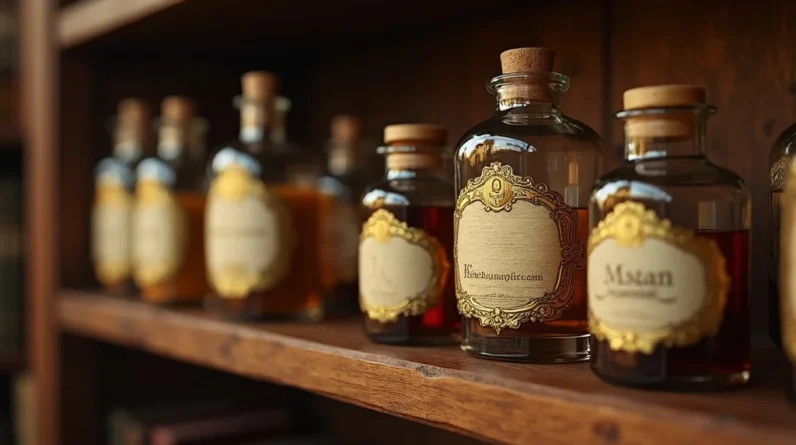
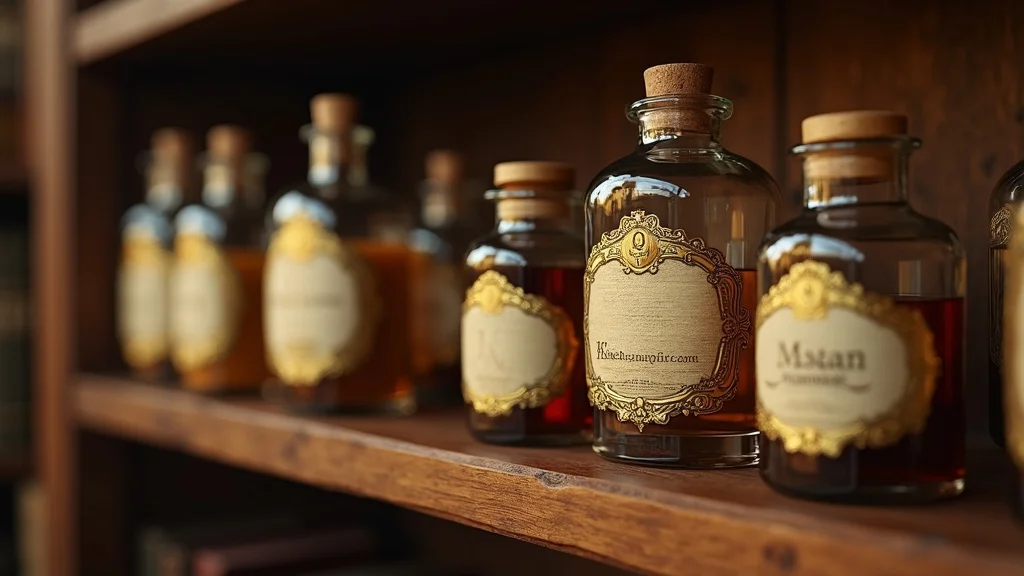
Apothecary labels captivate collectors and home stylists alike, blending history, mystery, and practicality in each intricate design. There’s a unique magic in glass jars topped with timeworn, beautifully scripted labels—whether sourced from an exotic spice shop or rescued from a forgotten pharmacy. Their appeal is more than decorative. Each apothecary jar and label add a sense of order, storytelling, and nostalgia to modern shelves, making us curators of our own miniature museums. Enthusiasts obsess over font choices and paper textures for their genuine, “collected but not cluttered” aura, turning a set of jars and bottles into daily inspiration.
Apothecary jars, with their assorted apothecary labels, aren’t just objects—they’re invitations to imagine other times and places. In today’s world, where mass production erases individuality, these jars let us connect with the craftsmanship of past generations. When styled thoughtfully, a modest grouping of labeled jars can elevate your space—whether you’re after gothic study vibes or subtle dark academia. It’s this interplay of authenticity and creativity that keeps printed and printable apothecary labels at the heart of the “cabinet of curiosities” trend.
“A well-labeled apothecary jar is a ticket to a different era—just waiting on your shelf.”
What You’ll Learn About Apothecary Labels and Apothecary Jars
- The defining features of authentic apothecary labels
- How to select fonts and papers for apothecary labels
- Simple aging techniques for labels and jars
- 20 printable apothecary label ideas for jars and bottles
- Trust cues: identifying safe and genuine jars, printing guidelines, and avoiding display risks
What Makes a Great Apothecary Label? Typography, Materials, and Display Checklist
Authenticity in apothecary labels isn’t just about vintage aesthetics—it’s about thoughtful curation, careful choice of fonts, papers, and the right approach to displaying jars and bottles. The right jar label can make your shelf feel both historical and contemporary, especially when paired with glass jars from a genuine spice shop or an online vintage store. When choosing fonts, aim for classic serif, copperplate, or even gothic blackletter faces. Botanical-inspired typefaces lend a natural, herbarium vibe, while heavier blackletter fonts add drama to modern gothic displays.
Material matters, too. Labels printed on high-GSM, textured, or deckle-edged paper radiate quality and set your apothecary jars apart from mass-produced options. Creamy and recycled papers elevate the tactile experience, echoing torn edges and the patina of age, as found in true antique assorted apothecary labels. Finally, display safety is paramount—use non-toxic adhesives to ensure your collection is as durable as it is beautiful. Consistency between your apothecary label styles—whether on kitchen jars, bathroom bottles, or statement pieces—will help establish a visual story worthy of any Victorian study.
- Choosing vintage, gothic, or botanical-inspired typefaces for apothecary labels and assorted apothecary labels
- Selecting textured, high-gsm papers for jar label authenticity
- Ensuring display safety, non-toxic adhesives, and legible jar labels
- Curation: Consistency across apothecary jars, assorted jar labels, and bottles
Table: Apothecary Labels—Fonts, Papers, and Print Methods at a Glance
| Type | Font Style | Paper Choice | Print Method | Best Use |
|---|---|---|---|---|
| Classic | Serif/Copperplate | Cream, deckle-edged | Laser | Victorian displays |
| Botanical | Handwritten/script | Recycled | Inkjet | Kitchen jars |
| Modern gothic | Blackletter | Textured black/cream | Laser | Statement pieces |
Aging and Styling Apothecary Labels: Simple Patina and Placement Tricks
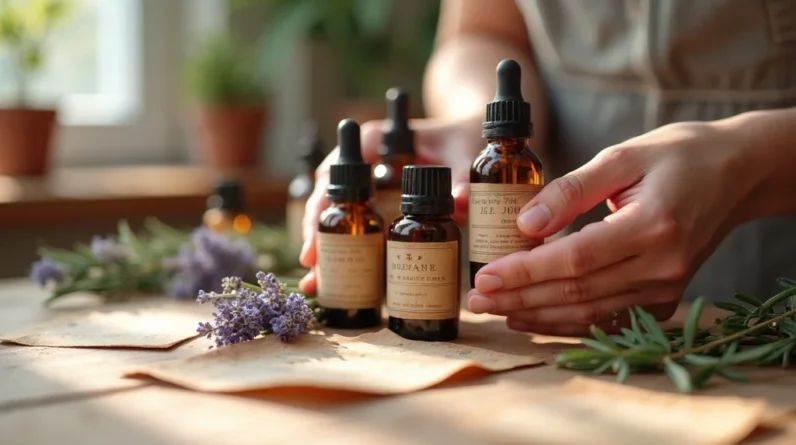
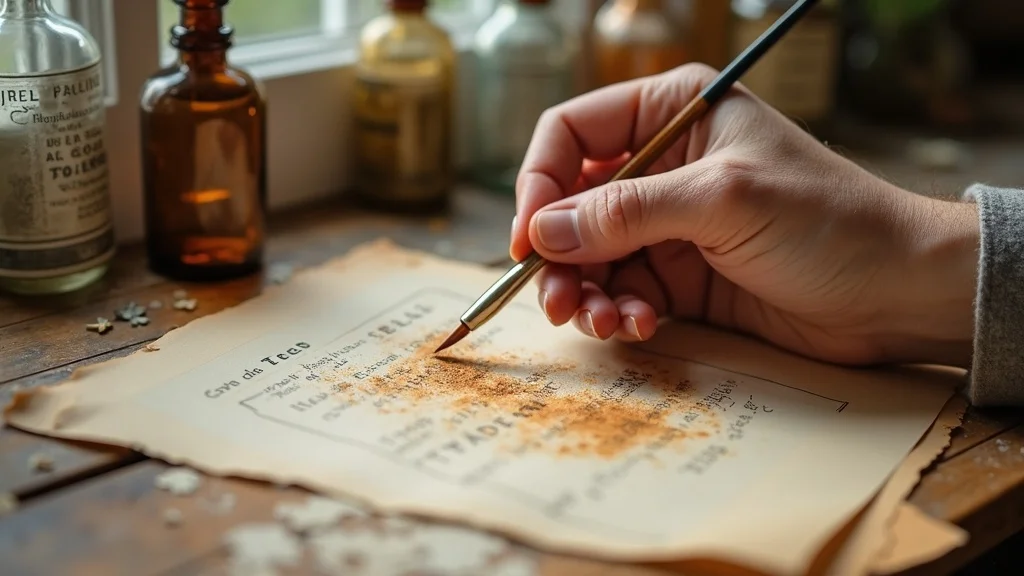
To turn printable apothecary labels into believable pieces of the past, a little styling goes a long way. Start by tea-staining your papers—simply brush strongly steeped (and cooled) tea onto cut labels, then let them dry for a naturally mottled, aged effect. Next, use sandpaper to gently abrade the edges; mimicking the torn edges of old jar labels brings a sense of authenticity to your collection. For even more realism, opt for natural adhesives like archival glue or rice paste—these not only secure your labels safely but are also less likely to yellow or damage the glass jars over time.
Where you place your labels matters just as much as how you make them. Group similar jars and bottles—such as all medical specimens or botanical finds—together for an intentional, museum-inspired look that avoids a cluttered shelf. When styling, think of your display as a curated mini-exhibit; leave plenty of space between objects, and let a few key jars take the spotlight. This approach works whether you’re assembling a Victorian herb cabinet or simply organizing your kitchen spice shelf with assorted apothecary labels.
- Light tea-staining paper for a vintage effect
- Use a subtle sandpaper rub for distressed apothecary labels look
- Attach with natural adhesives for authentic jar and bottle feel
- Group labels by type—medical, lunar, botanical, etc.—for collected not cluttered shelves
20 Printable Apothecary Label Ideas for Every Jar, Bottle, and Theme
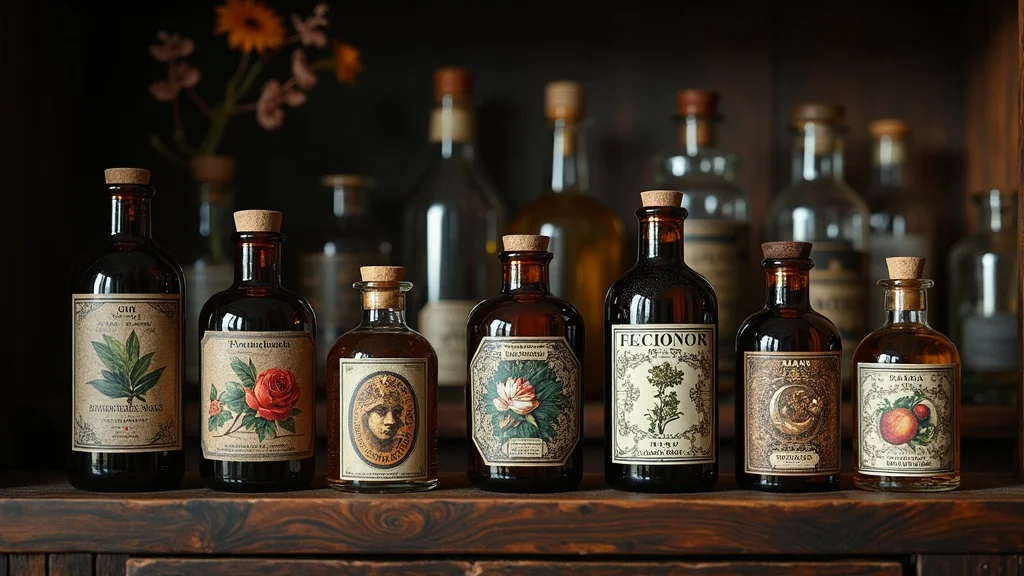
The fun of printable apothecary labels is their flexibility—they can fit a wide range of jars and bottles, adapt to nearly any decor scheme, and add a playful, mysterious, or refined twist to everyday containers. Whether you’re dreaming of a gothic potion shelf, a classic Victorian display, or just want your pantry to feel like an exotic spice shop, these jar label ideas offer both function and flair. Print them out on textured paper, age them a bit, and watch your shelves transform.
To jumpstart your next project, here are 20 ready-to-print inspirations for jars, bottles, and collected, not cluttered shelves. Mix and match to fit your style—grouped by theme, color, or vintage motif. Remember, your shelf tells your story—one jar label at a time.
- Victorian poison label
- Botanical curiosity
- Elixir (modern take)
- Ink bottle for writers
- Specimen-style tag
- Old pharmacy brand
- Moon water jar label
- Witch’s pantry label
- Herb storage
- Nautical medicine
- Tonic bottle
- Victorian cologne
- Antique cleaning fluid
- Oddity display labels
- Petite perfume bottle
- Dream dust apothecary label
- Vintage soap jar
- Field study label
- Lunar cycle chart label
- Small batch bitters
This step-by-step video guides you through designing, printing, and aging your own apothecary labels, from choosing the right paper and font to tea-staining and applying your labels to jars and bottles. You’ll see how themed displays—botanical, lunar, gothic—come together, and pickup safety tips to keep your collection both beautiful and long-lasting.
People Also Ask About Apothecary Labels and Jars
How did they print apothecary labels?
Historically, apothecary labels were printed using letterpress or lithography—each letter or design pressed by hand onto textured paper, often resulting in beautifully raised font and subtle ink variations. Victorian-era jars and bottles boasted labels with crisp serif fonts, copperplate signatures, and botanical engravings; these details became collectors’ favorites. For today’s enthusiasts seeking authenticity, high-quality inkjet or laser printing on textured papers can echo much of the old charm for both practical and decorative jar labels. If you’re printing your own, aim for layered fonts and torn edges for a period-correct look.
How do I make my own labels for jars?
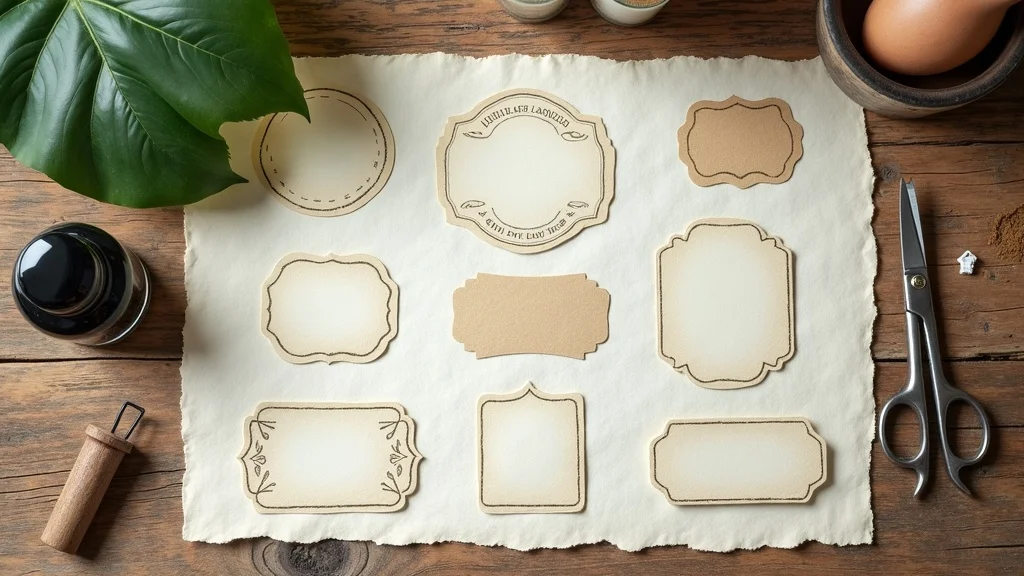
Making your own jar labels starts with choosing a style—classic, modern gothic, or botanical—then selecting suitable fonts and papers that echo vintage assorted apothecary labels. Design your label digitally using a template or printable pdf file: include legible text, motifs, or borders. Print on high-gsm, textured paper for authenticity, cut them out, and (optionally) age them with tea or distressing methods. Attach with archival glue to clean glass jars and bottles, pressing firmly for smooth adhesion. For kitchen use, consider waterproof archival paper and inks.
What is another name for an apothecary jar?
Apothecary jars are also known as pharmacy jars, chemist jars, or specimen bottles. In modern decor and collecting, they might be marketed as accent jars, storage bottles, or curiosity jars. No matter the name, their use—preserving and presenting herbs, tinctures, spices, or mysterious ingredients—remains their defining feature.
What were apothecary bottles used for?
Apothecary bottles and jars originally stored medicinal powders, herbal remedies, tinctures, and rare spices in both professional and home settings. In the 18th and 19th centuries, these jars lined the shelves of every reputable spice shop or pharmacy, calling attention to their contents with ornate apothecary labels. Today, they inspire collectors, crafters, and anyone looking to add authentic storytelling to their shelves or displays.
Beginner Collector’s Advice: Avoiding Clutter, Ensuring Authenticity, and Starter Apothecary Jar Set
First, pick a theme—are you most drawn to medical curiosities, lunar cycles, classic botanical jars, or a modern gothic style? Choose apothecary jars and assorted apothecary labels that tell a unified story
To extend the life of your labels and jars, avoid aggressive cleaning: a soft cloth and gentle duster keep your jars looking their best while protecting the patina of aged paper. If you’re just starting out, you can assemble a starter set of 3–5 assorted jars, each with printable labels that compliment the motif of your room. This method instantly gives your shelf a “collected, not cluttered” feel, and serves as a practical sample for refining your style as your collection grows.
- Collect with a theme—medical, botanical, lunar, or gothic—for a curated shelf
- Check label print quality and jar integrity before purchasing
- Avoid aggressive cleaners; protect labels for longevity
- Starter set: 3–5 assorted apothecary jars with printable jar labels
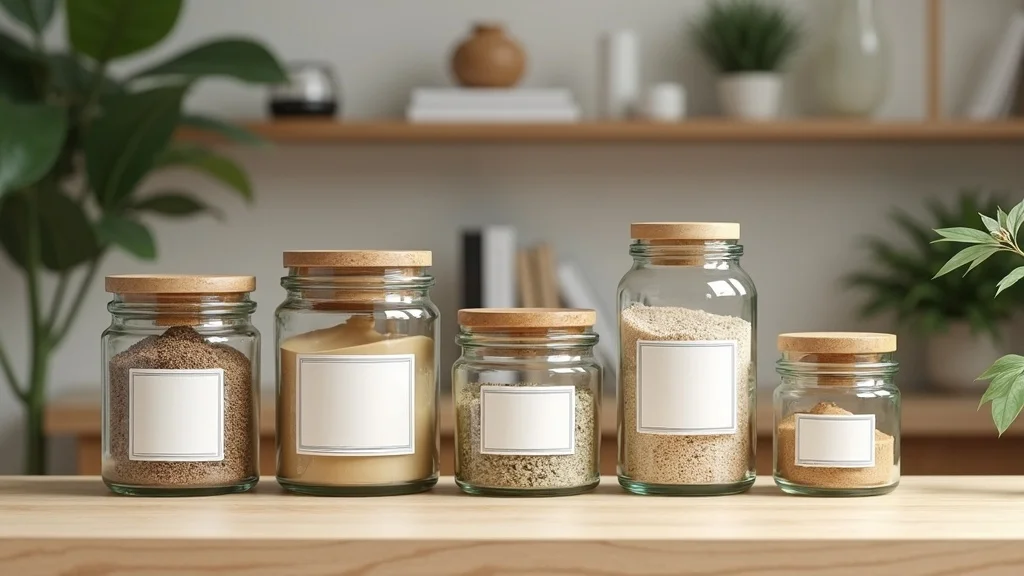
“Collected, not cluttered—let your jars tell a story, not create chaos.”
FAQs on Apothecary Labels, Apothecary Jars, and Styling Safety
- Are printable apothecary labels waterproof? (Use archival-quality paper/inks for display jars.)
- Can I layer modern and vintage jar labels together?
- What’s the safest way to clean jars with labels attached?
Are printable apothecary labels waterproof? While many printable apothecary labels are not inherently waterproof, you can increase longevity by using archival-quality paper and waterproof inks
Can I layer modern and vintage jar labels together? Absolutely—layering modern and vintage apothecary labels adds depth and interest to your apothecary jars and bottles
What’s the safest way to clean jars with labels attached? The safest method is gentle: dust with a dry microfiber cloth or a soft brush
Watch as we walk through creating a museum-style vignette with apothecary jars. Learn to balance labels, props, glass, and negative space for a look that’s as intentional as it is enchanting.
Essential Takeaways: Apothecary Labels for Beautiful, Safe, and Curated Shelves
- Prioritize authenticity in fonts and paper for apothecary labels
- Use grouping and color cues for curated, not crowded, shelves
- Safe adhesives and gentle handling prolong label and jar life
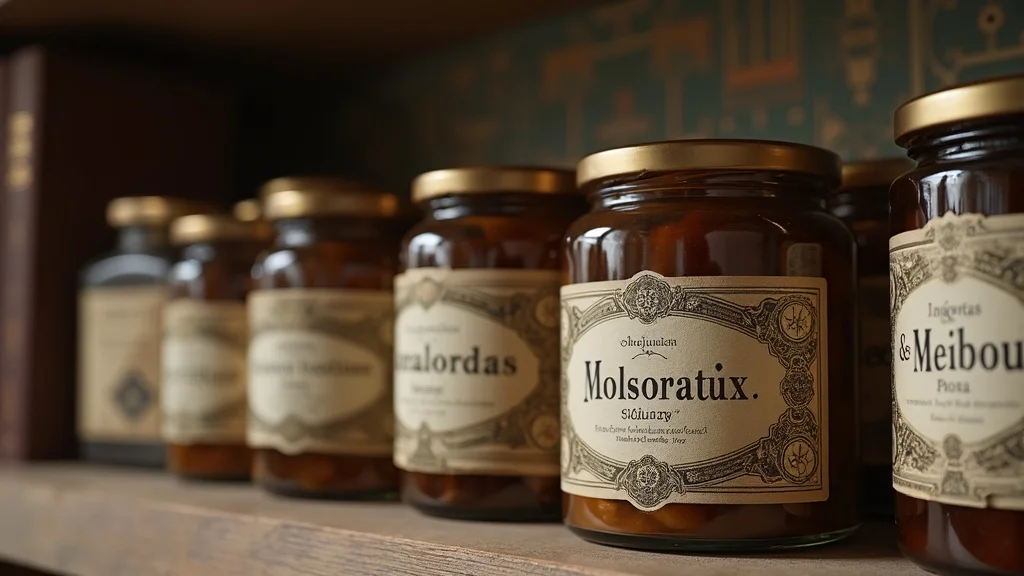
Ready to Curate Your Own Apothecary Shelf? Browse Modern and Vintage Apothecary Labels to Download or Print
If you’re feeling inspired to add a little Victorian intrigue, botanical charm, or gothic flair to your home, explore our latest assortment of downloadable printable apothecary labels—and start building your own “collected, not cluttered” shelf today. Print, style, and let every jar label tell a story worth displaying. Save this checklist and begin your curation adventure.
Curated apothecary labels and jars turn shelves into stories—choose with care, display with intention, and enjoy a little everyday magic.