

Did you know that nearly 80% of essential oil users experience leaked, faded, or “off” scents simply due to using the wrong storage bottles? If you’ve ever reached for a favorite oil only to find a sticky mess or dull aroma, you’re not alone! The promise of a soothing, organized apothecary can quickly fade when bottle chaos sets in
This guide will break down exactly how to choose amber vs. cobalt bottles, dropper vs. orifice reducer tops, and the best practices for blending, storing, and enjoying essential oils—all with cozy, practical apothecary style. Step into your role as the curator, not just the collector, of your own fragrant toolkit.
What You’ll Learn About Apothecary Essential Oil Bottles
- How to choose the right apothecary essential oil bottles for storage and blending
- Differences between amber and cobalt glass bottle options
- Dropper versus orifice reducer—finding your best apothecary bottle top
- Essential safety tips for oils
- A quick checklist for selecting apothecary bottles
- Common mistakes to avoid when shopping for apothecary essential oil bottles
A Closer Look: Why Choosing Quality Apothecary Essential Oil Bottles Matters
A cluttered oil drawer isn’t just an eyesore—it could cost you your prized essential oils and even become a safety risk. When essential oils are stored in poor-quality bottles, exposure to light and air degrades their delicate compounds, and leaks or cross-contamination can happen quickly. The right apothecary essential oil bottles banish mess and safeguard your investment, ensuring each oil’s aroma remains vivid and your blends are always at their best.
Today’s thoughtful curators prioritize both style and function, seeking bottles that not only match their apothecary décor but also excel in protecting precious oils from UV damage, accidental spills, and evaporation. With glass bottle choices like amber and cobalt, and lid types including dropper or orifice reducer, you can control every aromatic drop with confidence and clarity. Let’s simplify the path to a seamlessly organized, practical apothecary—one bottle at a time.
“A messy oil drawer doesn’t just look chaotic—improper storage can ruin your favorite essential oils or pose safety risks.”
Essential Oil Storage: Amber vs Cobalt Glass Bottle Options
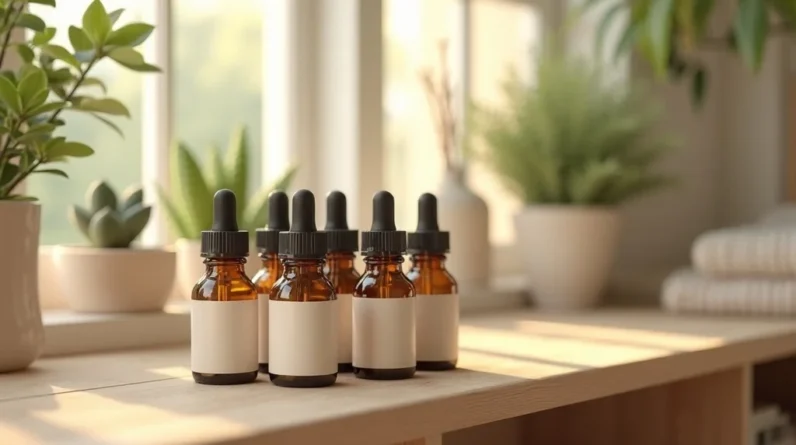
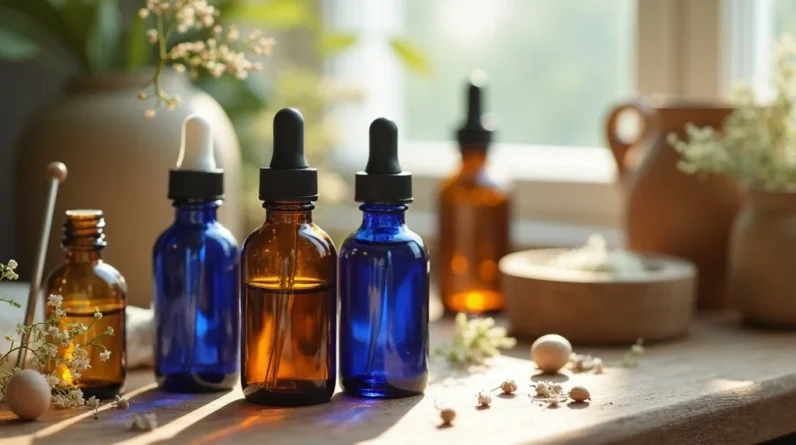
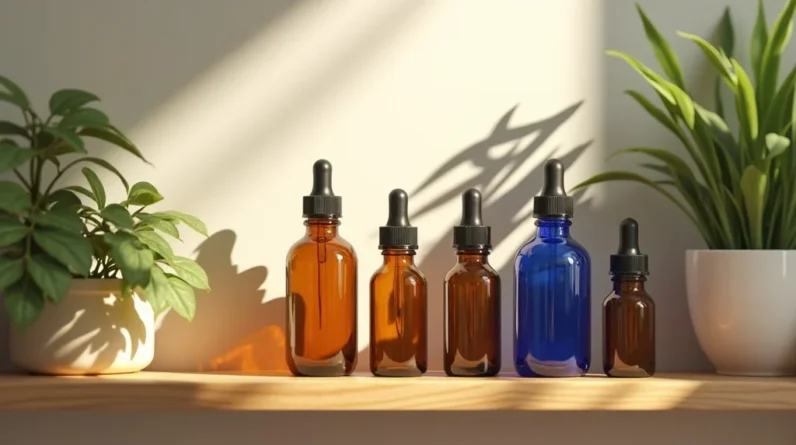
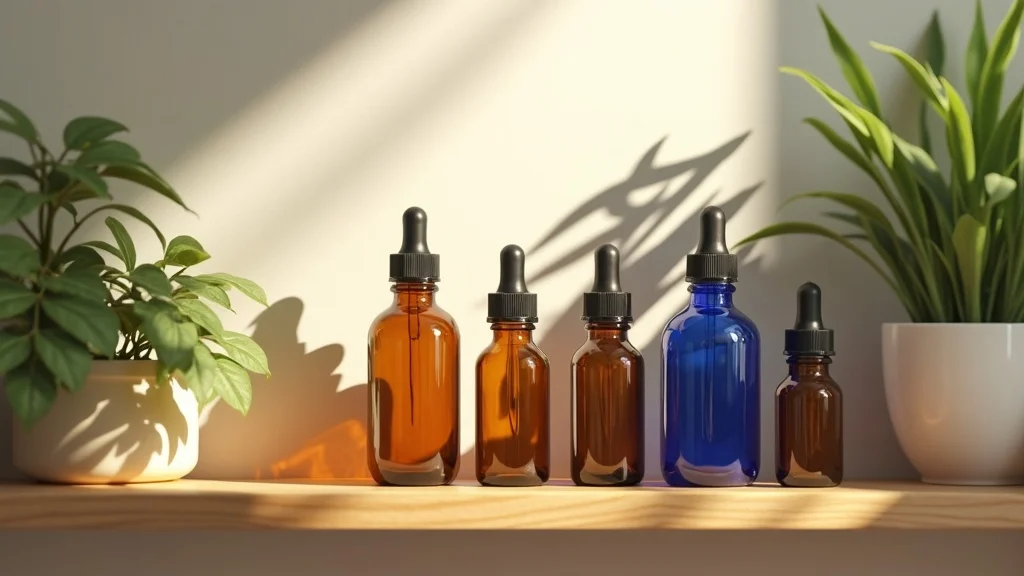
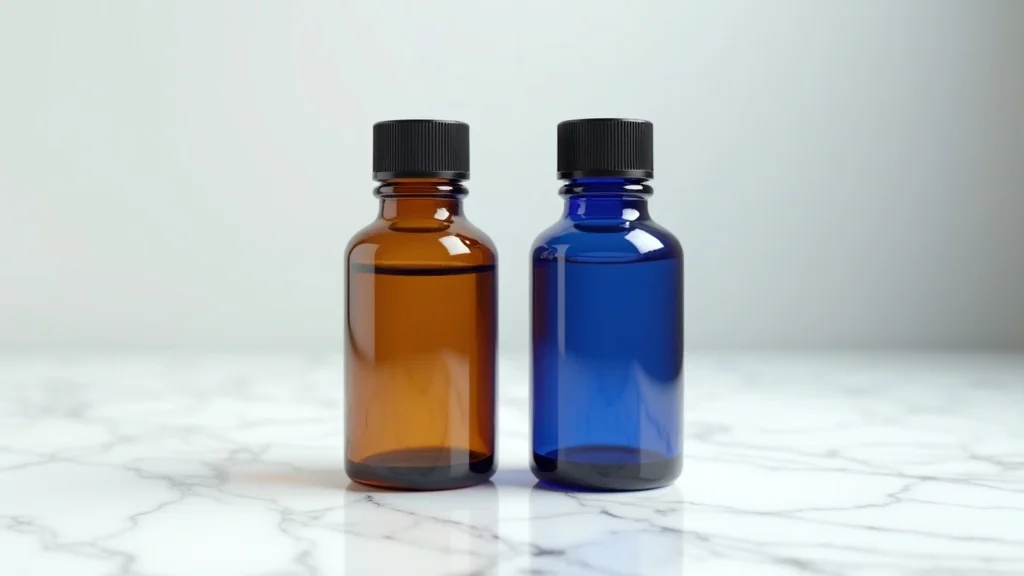
Choosing the right apothecary bottle color isn’t only about style—it’s a critical factor for oil protection and longevity. Amber glass bottles provide gold-standard UV protection, blocking out harmful light rays that break down the potent compounds in delicate oils such as citrus, rose, and herbal blends. This means your essential oils stay fresher longer, with vibrant scents and maximum therapeutic value. On the other hand, cobalt glass bottles offer striking aesthetics and a dash of contemporary flair to your shelf, while giving moderate protection that works well for less-sensitive blends or display-worthy recipes.
While both amber and cobalt glass options boast durability and clean, non-reactive storage, price and availability vary. Amber glass is often easier to source and more affordable, especially in variety packs found at reputable apothecary shops or from your favorite etsy seller. Cobalt options are sometimes priced higher and, though beautiful, might not be right for prolonged sunlit display or storing premium herbal oils. Whichever you choose, seek out glass with smooth seams, consistent coloration, and a thick base—these details speak to both function and quality.
| Feature | Amber Glass Bottle | Cobalt Glass Bottle |
|---|---|---|
| Glass Durability | High, thick-walled, widely available in apothecary variety pack | High, often slightly heavier, premium feel |
| Light Protection | Excellent UV shielding—best for essential oil longevity | Moderate protection—decorative but less ideal for long-term oils |
| Aesthetics | Classic, warm, “vintage apothecary” appeal | Contemporary, vibrant blue, catch light beautifully |
| Price | Affordable, bulk and discount vials options | Usually higher, priced for specialty blends and gifting |
| Availability | Easy to source in multiple sizes & liquid capacity | Somewhat limited, often in smaller size runs |
- Amber glass bottle for maximum UV protection
- Cobalt glass bottle for style and moderate protection
- Which is better for essential oil longevity?
- Matching apothecary bottles with your storage needs
Top Features Explained: Dropper, Orifice Reducer, and Beyond
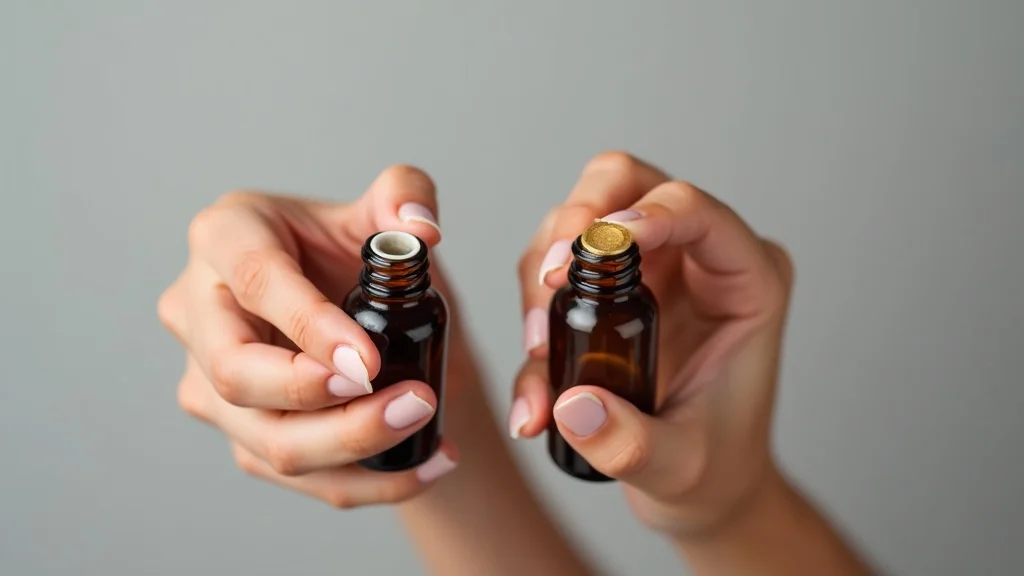
Beyond color, the right top makes every drop count. A dropper top is the modern apothecary’s go-to for precision—dispensing just the right amount for custom blends, recipes, or DIY perfume bottles. Droppers come in glass or sturdy plastic and are ideal for the measured mixing demanded by essential oil curators and craft hobbyists.
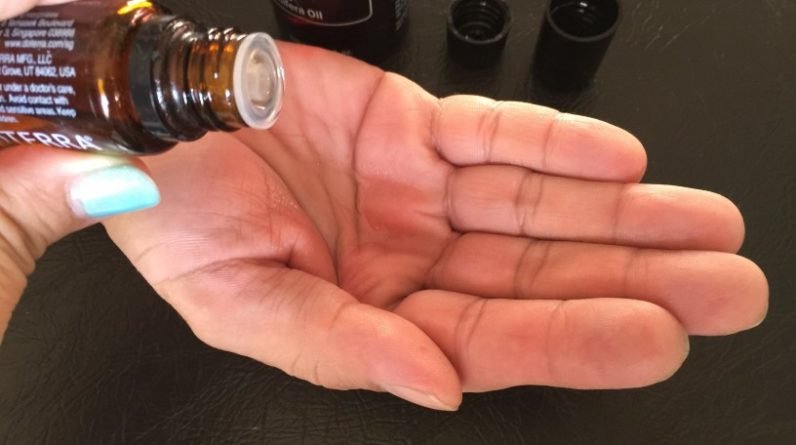
The orifice reducer transforms your apothecary essential oil bottle into a practical everyday dispenser. The tiny insert limits flow, meaning less risk of spills or wasted drops—perfect for essential oil gifting, daily diffusing, or when giving to friends and family (especially with children or pets around). Some variety pack bottles include both options, allowing for customization depending on use. Always inspect clarity, leak-proof fit, and dropper/insert quality before investing, especially when buying through personalized advertising or from an etsy seller. Well-made tops will close securely without excessive force and won’t degrade after exposure to essential oils.
- Dropper tops for precise blending and recipes
- Orifice reducer for mess-free daily use and variety pack options
- Benefits and risks for essential oil apothecary routines
- Personalized advertising: finding specialty glass bottle features
Quick Checklist: Selecting the Right Apothecary Essential Oil Bottles
- Check glass bottle material: amber or cobalt?
- Consider bottle size and liquid capacity
- Dropper vs orifice reducer—what’s your main use?
- Choose based on essential oil type and frequency of use
Use this checklist each time you restock, browse a sale price on your favorite sister store, or investigate a new apothecary bottle set online. Match the bottle’s size to the strongest oils—small sizes (5ml, 10ml) are perfect for potent blends, while a larger capacity suits pre-made diffuser blends or lotion and other fragrant applications. Decide if you want a precise dropper or a quick-dispense orifice reducer for everyday routines.
Modern Apothecary in Practice: Storage, Blends, and Everyday Safety
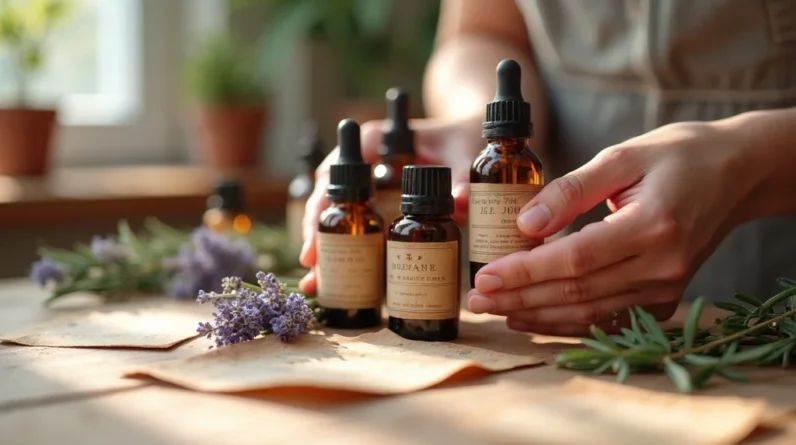
A well-equipped modern apothecary is about more than pretty shelves—it’s about smooth, stress-free routines. Group similar oils in matching apothecary bottles for easy blending or organize blends by use (calming, energizing, immune support, etc.) for ready access. Use labeled bottles with droppers for travel-size perfume blends, or stock up on variety packs that let you experiment with new recipes while gifting the extras.
Storage is key: Always keep bottles upright, clean drips after each use, and rotate stock so older oils get used first. Avoid exposing bottles to direct sun or heat—reserve your best-scented recipes in amber glass bottle for sunny window sills, saving cobalt for moonlit displays or accent storage. Mistakes to avoid: don’t switch droppers between oils without thorough cleaning (cross contamination risk); never use plastic bottles for long-term essential oil storage (glass apothecary is safety-first); and double check closures after each use to prevent leaks.
- Recipes and routines: Using apothecary essential oil bottles to organize blends
- Storage tips: preventing leaks, contamination, and ‘off’ scents
- Mistakes to avoid with apothecary bottles
- Safety note: Not medical advice; don’t ingest; dilute for topical; patch test; be cautious with kids/pregnancy/pets; consult a professional if unsure.
People Also Ask: All About Apothecary Essential Oil Bottles
What is the difference between amber and cobalt apothecary essential oil bottles?
Amber glass offers superior UV protection, preserving essential oil quality longer; cobalt glass provides vibrant aesthetics and moderate protection. For long-term oil stability, amber is preferred; cobalt suits decorative or occasional use.
Should I use a dropper or an orifice reducer for my apothecary essential oil bottles?
Use a dropper for precise measurement in recipes or blends; use an orifice reducer for daily use or when giving oils as gifts. Each has strengths depending on how you use your essential oils.
Are glass bottle apothecary bottles better than plastic for essential oils?
Glass bottle apothecary bottles, especially amber or cobalt, resist oil corrosion and do not leach chemicals, unlike most plastics. Glass is the safety-first choice for long-lasting use.
FAQs: Everything Else You’re Wondering About Apothecary Essential Oil Bottles
- How do I clean apothecary essential oil bottles without leaving residue?
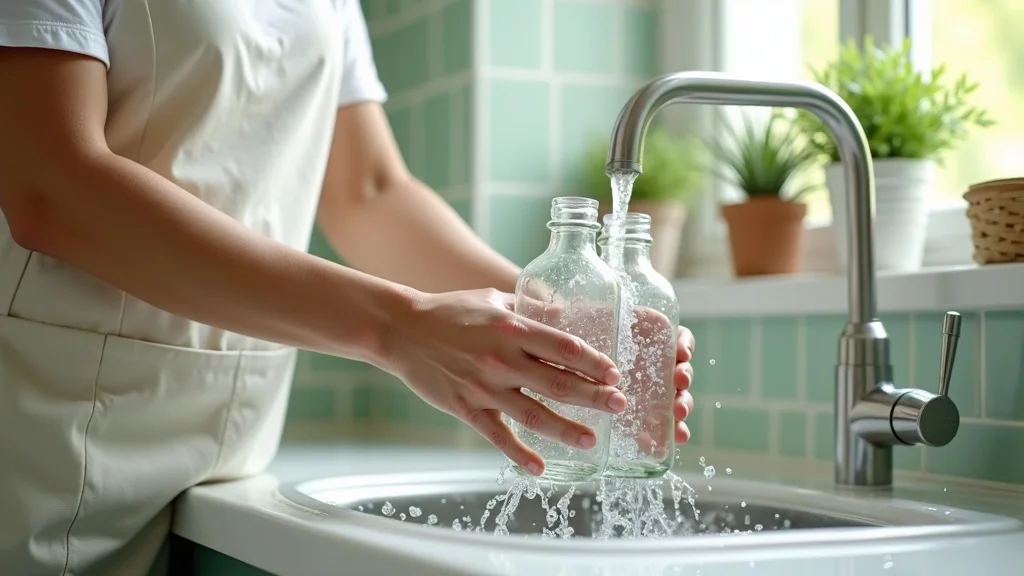
Rinse thoroughly with warm soapy water, being careful to remove any oil film. Use a brush for corners, follow with a hot rinse, and let dry completely before reusing. For extra stubborn residue, consider a diluted vinegar soak. Always clean both the glass bottle and any dropper/orifice parts. Never use harsh chemicals as these may remain trapped and affect future blends. - Can I recycle glass apothecary bottles after use?
Absolutely. Glass bottles (including amber and cobalt) are widely accepted by most local recycling programs. Ensure bottles are fully cleaned and labels removed where possible. Repurposing is another eco-conscious alternative—upcycle into flower vases, DIY crafts, or containers for homemade lotions and other fragrant applications. - What size variety pack should I choose for a starter kit?
A starter kit typically includes 5ml, 10ml, and sometimes 15ml bottles—this lets you test blends while reducing waste from unused oil. Look for variety packs with both dropper and orifice reducer tops to cover all your apothecary needs. - How long can essential oils be stored in apothecary bottles?
Most essential oils, when stored in clean, tightly-sealed amber or cobalt glass apothecary bottles, remain potent for 1–3 years. Citrus oils are more delicate (use within 1 year); heavier resins can last over 3. Store upright, away from heat and light, to maximize shelf life. If you notice any “off” scents or discoloration, it’s time to replace. - How does personalized advertising affect bottle quality and labeling?
Personalized advertising can help discover new sellers or designs, but always research star rating, privacy and technologies policy, and read order reviews to verify true quality. Labels offered by reputable sellers often outlast generic brands, but always check for non-toxic adhesives and waterproof options before buying in bulk or trusting a new apothecary bottle supplier.
Key Takeaways: Apothecary Essential Oil Bottles and Practical Use
- Amber glass bottles are best for sensitive essential oils
- Droppers offer precision; orifice reducers are great for daily use
- Glass apothecary bottles beat plastic for safety and longevity
- Invest in a quality variety pack for blending, gifting, and organization
Ready to Upgrade Your Apothecary Essential Oil Bottles? Shop Safe, Get Organized, and Scent Smarter Today
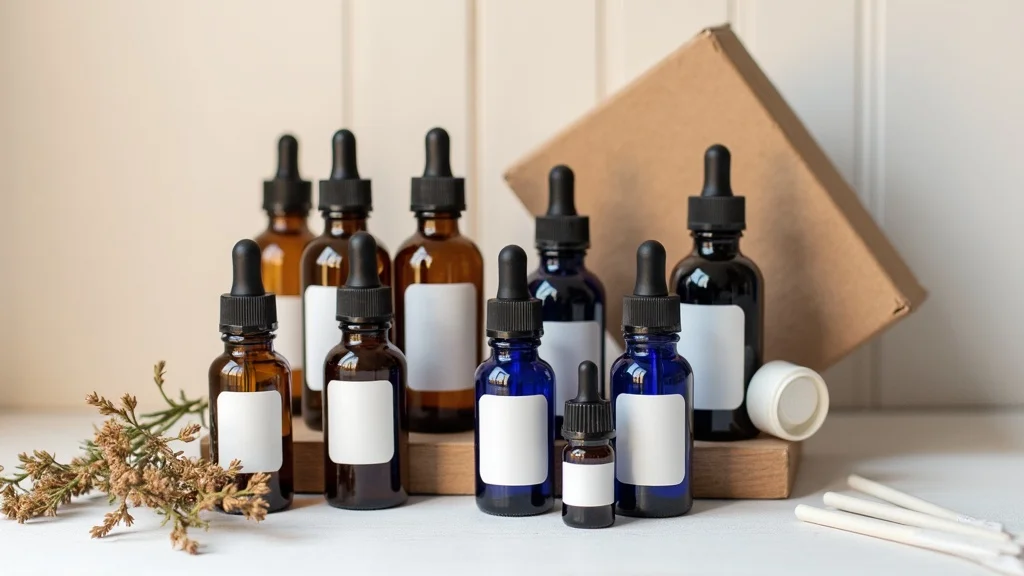
Transform your essential oil rituals from cluttered to curated. Choose a quality apothecary essential oil bottle variety pack, pick your ideal toppers, and step confidently into your modern, safety-first toolkit.
Not medical advice; don’t ingest; dilute for topical; patch test; be cautious with kids/pregnancy/pets; consult a professional if unsure.