

Ever unscrewed a bottle of your favorite essential oil only to find a faint, funky scent instead of vibrant notes—or noticed your collection’s labels faded from sunlight? If so, you’re not alone
“Nearly 80% of home essential oil users have unknowingly reduced the potency of their oils through improper storage. Let’s fix that—your apothecary drawer deserves better.”
Why Knowing How to Store Essential Oils Matters: The Surprising Truths
Opening that little bottle and realizing your prized essential oils have lost their spark is almost always avoidable. Just like a messy drawer or a leaky cap, improper oil storage seeps away both value and effectiveness—sometimes quietly, over months. Scientific studies and decades of apothecary wisdom agree: essential oil shelf life depends on three main factors—light, air, and temperature. Ignore them and you risk oxidized, “off,” or even irritating oils.
It’s not just about keeping your room smelling fresh—it’s about cost, safety, and even your daily rituals. Many oils, especially orange essential or citrus varieties, are quickly affected by direct sunlight or a loose bottle cap. And some homemade blends or fragrance oils can degrade even faster if left on a bathroom counter. Armed with a handful of modern apothecary storage rules, you’ll avoid the hidden side effects of improper essential oil storage and extend the therapeutic properties, aroma, and safety of every bottle.
Remember, this is not medical advice—always dilute oils, patch test, and consult a professional if using around kids, during pregnancy, or with pets. Next, let’s uncover all you’ll master in this quick, friendly guide to storing essential oils.
What You’ll Learn About How to Store Essential Oils Like a Modern Apothecary
- How to keep essential oils at maximum freshness and potency
- Essentials of oil storage: glass bottles, dark glass, cool environments, and tight caps
- Common mistakes to avoid when storing essential oils
- Ideas for organizing and labeling your essential oil collection
- Shelf life dos and don’ts—and what makes oils go bad
Essential Oil Storage Basics: Definitions, Myths, and Why Storage Matters
What Are Essential Oils and Why Are They Sensitive?
Essential oils are concentrated botanical extracts distilled from flowers, leaves, peels, barks, and resins. These volatile compounds are potent—and prone to degradation. Exposure to air (oxygen), heat, and ultraviolet (UV) light initiates chemical changes inside the bottle, impacting aroma, efficacy, and even safety. While most oils are antimicrobial, improper oil storage can still lead to oxidized or “off” scents, altered therapeutic properties, or irritating side effects.
You can’t squeeze an aloe leaf and expect eternal freshness—the same goes for your precious essential oil collection. Many myths say oils “last forever.” In reality, each oil type has a unique shelf life, best preserved in the right environment. Let’s act like modern apothecaries and give every glass bottle the protection it deserves.
The Science behind Essential Oil Storage: Protecting Aromatic Compounds
The “magic” of essential oils comes from delicate, highly volatile molecules that evaporate or transform under the wrong conditions. When oils are exposed to air, light, or varying temperature, their volatile compounds (like limonene in orange essential oil) break down faster. That’s why quality apothecaries insist on pure essential oil storage in tight-sealing, dark glass bottles. Even premium oils in a clear glass display are at risk.
Regularly opened bottles—especially if left open for minutes at a time—increase the risk of oxidation. Each exposure depletes potency and aroma, reducing the value and, occasionally, the safety of what you’re about to use.
“Essential oils are highly volatile—you’re not just storing liquids, you’re preserving delicate plant chemistry.” — Modern Apothecary Guide
Quick Checklist: How to Store Essential Oils for Maximum Freshness
- Always use dark glass bottles
- Keep bottles tightly sealed with correct caps
- Store essential oils away from direct sunlight and heat
- Avoid exposure to air—limit time bottles are open
- Label bottles with purchase or open date
Best Containers for Storing Essential Oils: Glass Bottles, Caps, and More
Why Glass Bottles Are Essential for Storing Essential Oils
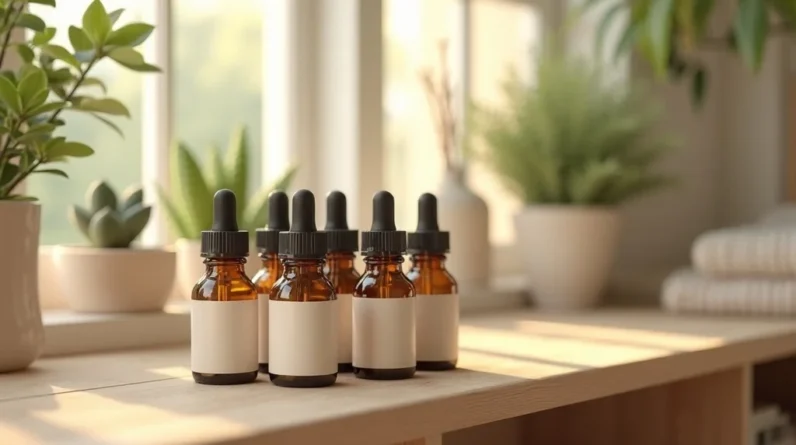
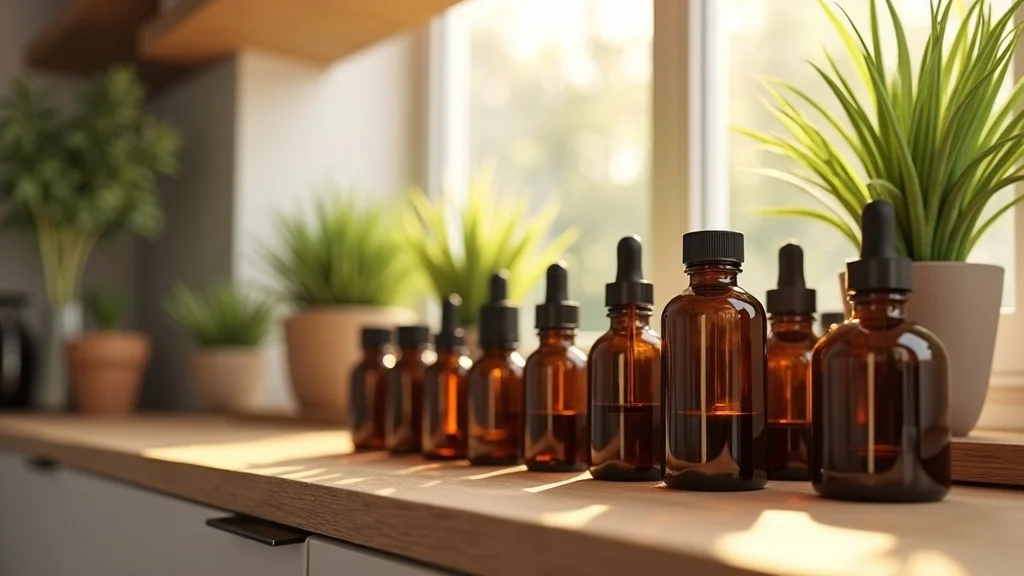
When it comes to oil storage, glass bottles—especially dark or amber glass—are the gold standard for one simple reason: they won’t react with the potent compounds in your essential oils. Storing essential oils in plastic containers or plastic bottles should always be avoided. Most plastics can break down or leach chemicals into your oils, contaminating their purity and reducing their shelf life. Glass bottles ensure your oils stay uncontaminated, potent, and safe for use.
Investing in a high-quality carrying case or storage box for your glass bottles further shields your collection from accidental knocks or spills, protecting both your investment and your favorite blends.
Dark Glass vs. Clear Glass: Which Is Better for Oil Storage?
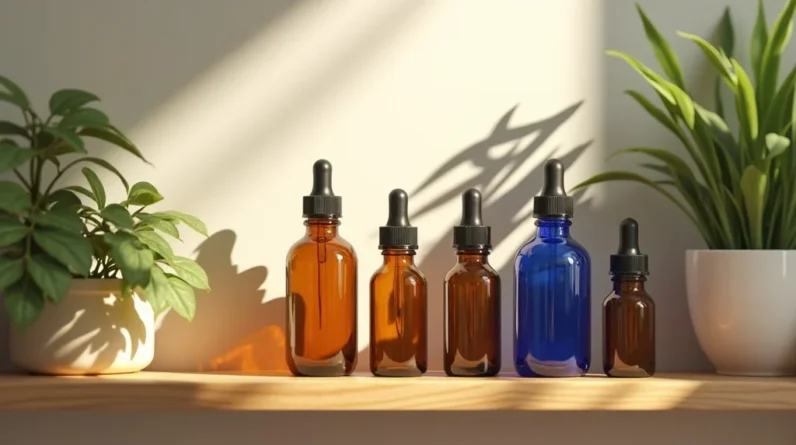
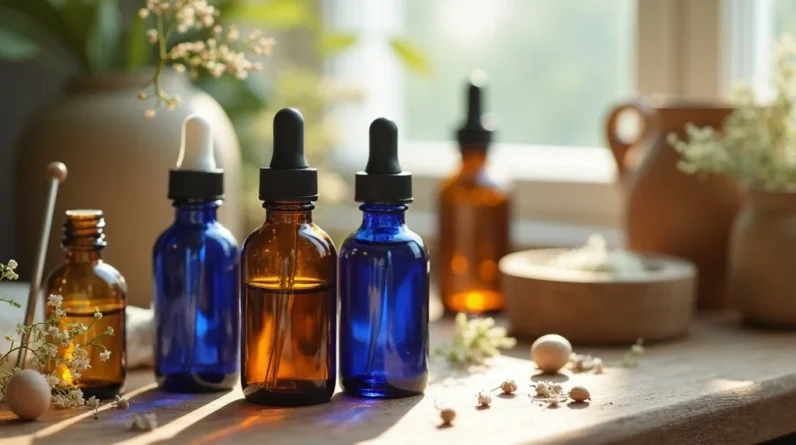
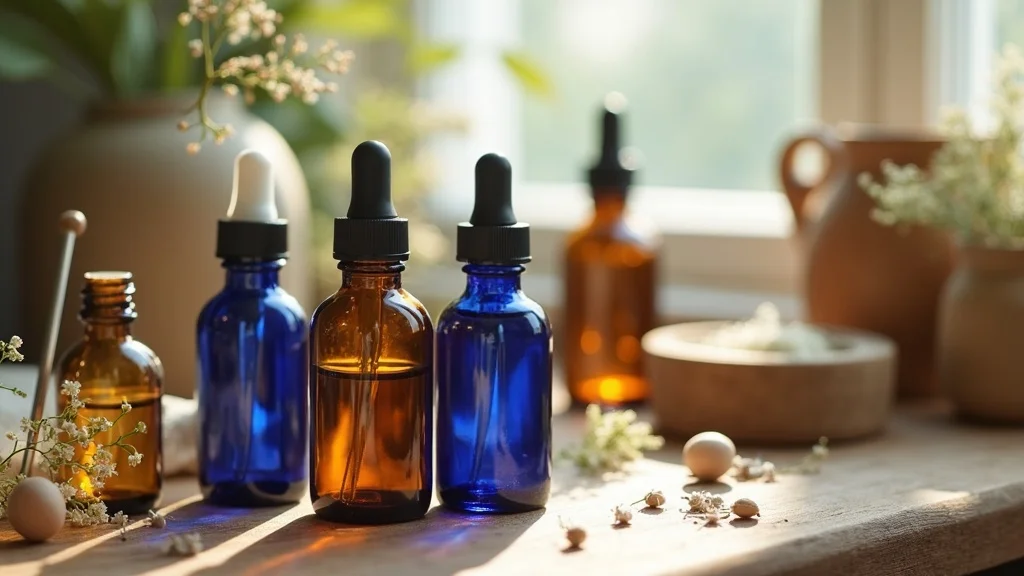
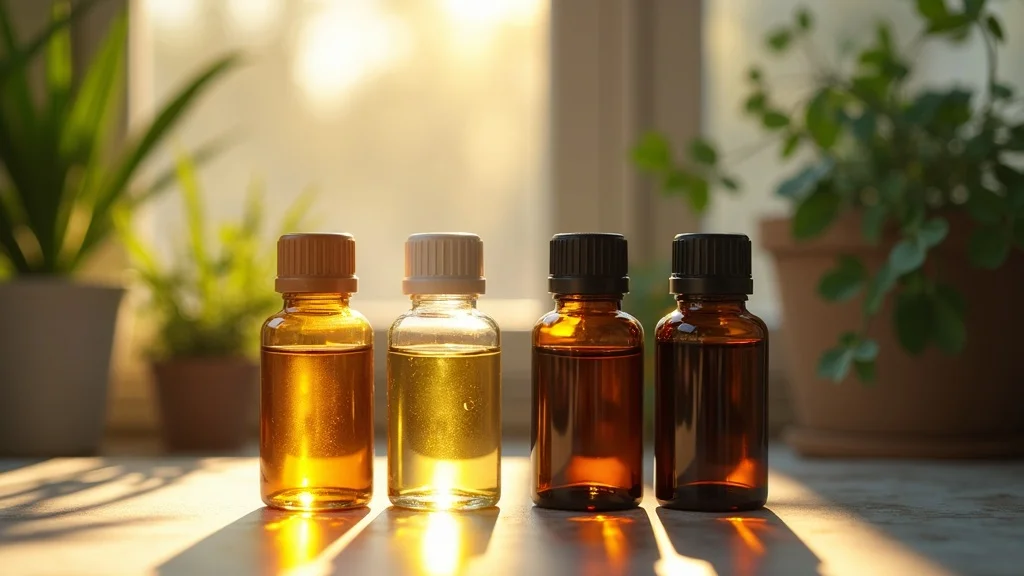
Dark glass bottles (amber, cobalt blue, or deep green) absorb harmful UV rays that would otherwise degrade the delicate chemistry of essential oils. Unlike clear glass, which lets light in, dark glass acts like sunglasses for your oils—reducing oxidation and protecting aroma and efficacy over time. This makes dark glass essential regardless of where you store your collection, especially for light-sensitive oils like citrus and orange essential oil.
While it may be tempting to display your beautiful oils in clear bottles, doing so dramatically shortens their shelf life; even a sunny window can start the degradation process. Stick with amber bottles or similar dark glass options for the best protection and longevity.
The Importance of a Properly Sealing Bottle Cap
A tight, well-fitting bottle cap is the unsung hero of essential oil storage. Every time you open a bottle, volatile compounds interact with oxygen—speeding up the breakdown of the oil inside. A cap that seals completely prevents air and moisture from entering, which is especially important for maintaining potency and preventing accidental spills.
Check caps for cracks, loose threads, or residue buildup. Immediately replace suffering bottle caps—never store essential oils with a half-open or leaky top, as even a small amount of air inside can cut the oil’s shelf life in half.
Key Environmental Factors: Light, Heat, Air, and Humidity in Essential Oil Storage
Direct Sunlight vs. Dark Storage: Protecting Essential Oils
Direct sunlight is the nemesis of essential oil storage. Ultraviolet rays break down key aromatic compounds and can even initiate reactions within the oil, changing their fragrance and therapeutic properties. Always store essential oils in a cool, dark place—like a closed cabinet, drawer, or inside a dedicated storage box—to prevent sunlight from compromising your investment.
Keeping oils in dark glass bottles is your first line of defense, but the real secret is minimizing their time in direct sunlight. Even indirect or ambient light over months can cause slow, irreversible changes, so think of a dark apothecary shelf (rather than a sunlit window) as your home base.
The Effects of Temperature on Essential Oil Shelf Life
Temperature swings—particularly exposure to heat—are another fast track to degraded essential oils. Aim for a consistent temperature; ideally room temperature (around 68°F/20°C), but cooler is generally better. Never store oils near radiators, stoves, or in hot cars. Some enthusiasts even store essential oils in the fridge, especially for short-lived oils like citrus and orange essential oil, but watch out for condensation or cold-related separation.
Your safest bet? A dedicated drawer, closet, or storage box set away from kitchen or bathroom steam and heat
Air Exposure: What Opening That Bottle Really Does
Every time you remove a cap from a bottle, fresh air floods in, setting off oxidation. The longer bottles are left unsealed, or the more often they’re opened, the faster the aroma starts to fade and the oil risks irritating side effects if applied topically.
Make opening and closing part of your usage routine. Always finish with a tightly sealed cap; if you mix your own blends, transfer them into smaller bottles to reduce air exposure in partially-filled containers.
Storing Essential Oils in the Fridge: The Pros and Cons
Refrigeration can extend the life of delicate oils—especially citrus oils like lemon or orange essential oil. The cool, dark environment of a fridge slows oxidation, but isn’t perfect for all oil types. Some essential oils may get cloudy or become harder to dispense when chilled. Additionally, condensation inside the bottle can introduce moisture, which in rare cases can encourage microbial growth or spoilage.
If you try fridge storage, keep oils tightly sealed and allow them to reach room temperature before opening to avoid water droplets. Reserve refrigerator space for short-lived oils, and keep the rest in a dark, stable environment at room temperature.
| Storage Method | Pros | Cons | Best for Oil Types |
|---|---|---|---|
| Room Temperature, Dark | Easy access, consistent temperature, safe for most oils | Can be too warm during heatwaves if not climate controlled | Most essential oils, blends, basics |
| Refrigerated | Extends shelf life, ideal for citrus/volatile oils, slows oxidation | Potential for condensation, inconvenient access | Citrus oils, orange essential oil, fragile blends |
| Direct Sunlight | None | Rapid oxidation, loss of potency, shorter shelf life | Should be avoided for all oils |
| Pantry/Cupboard | Dark, consistent temp, easy access | Humidity risk (if near cooking area) | Most essential oils, carrier oils |
Labeling, Organization, and Routine: Real-World Tips for Storing Essential Oils
- Label your bottles with purchase and open dates
- Categorize oils by usage (relaxation, cleaning, wellness)
- Create a dedicated essential oil storage box or caddy
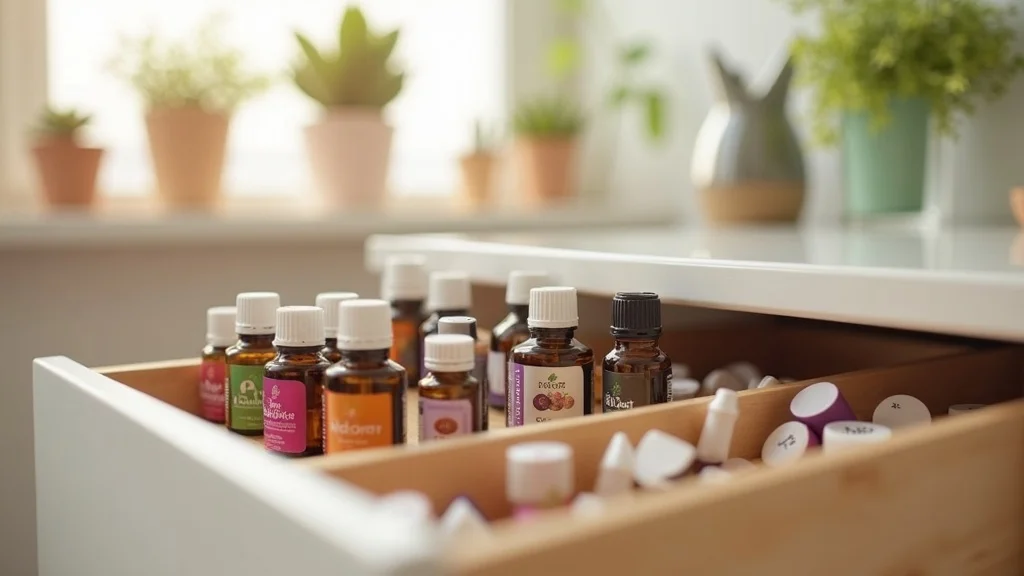
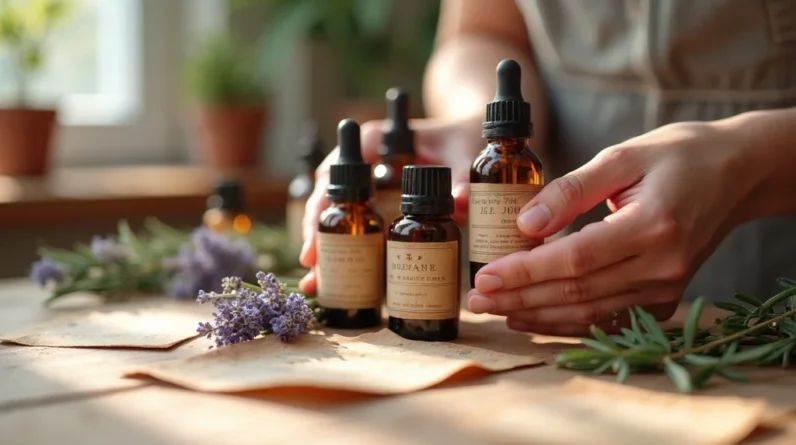
Make labeling a habit: note both the purchase date and the date you first opened each oil. This helps track shelf life, so you use oils at their freshest and know when it’s time to retire an old favorite. Organize your essential oil collection by use-case—stress, sleep, home-cleaning, and so on—using boxes, caddies, or color-coded caps to keep everything accessible and safe.
Periodic audits of your inventory help you spot fading labels, low bottles, or any that are starting to lose their vibrant scent. Re-label as needed and enjoy the satisfaction of an organized apothecary space!
Blending and Decanting: How Oil Storage Choices Affect Potency and Safety
Best Practices for Mixing and Storing Essential Oil Blends
If you love making custom blends, your oil storage skills matter even more. Always decant finished blends into clean, dry, dark glass bottles—preferably with reducer caps or secure droppers. Smaller bottles reduce air space, preserving potency. Label with the ingredients, creation date, and intended use.
Keep blends out of direct sunlight, away from heat, and tightly capped. Avoid experimenting with plastic containers—fragrance oils and blends can break plastics down over time, altering both smell and safety. And remember: Not medical advice; don’t ingest, dilute for topical use, patch test, and be especially cautious around kids, pets, or during pregnancy. When in doubt, consult a professional.
Essential Oil Shelf Life: When Do Essential Oils Expire?
The 30/50/20 Rule for Essential Oil Storage and Longevity
To simplify essential oil storage, many apothecary guides suggest the “30/50/20” rule: keep humidity at or below 30%, temperature at 50°F (10°C) or below, and minimize open-air exposure (limit time bottle is open to 20% or less). Following these guidelines can help many oils last far past the 1–3 years advertised on their packaging, preserving both aroma and therapeutic properties.
Certain oils—such as citrus and some herbals—naturally have shorter shelf lives, but proper storage extends even their usefulness. Log dates on every bottle, rotate your collection, and use fragile oils first.
Recognizing Signs of Degraded Essential Oils
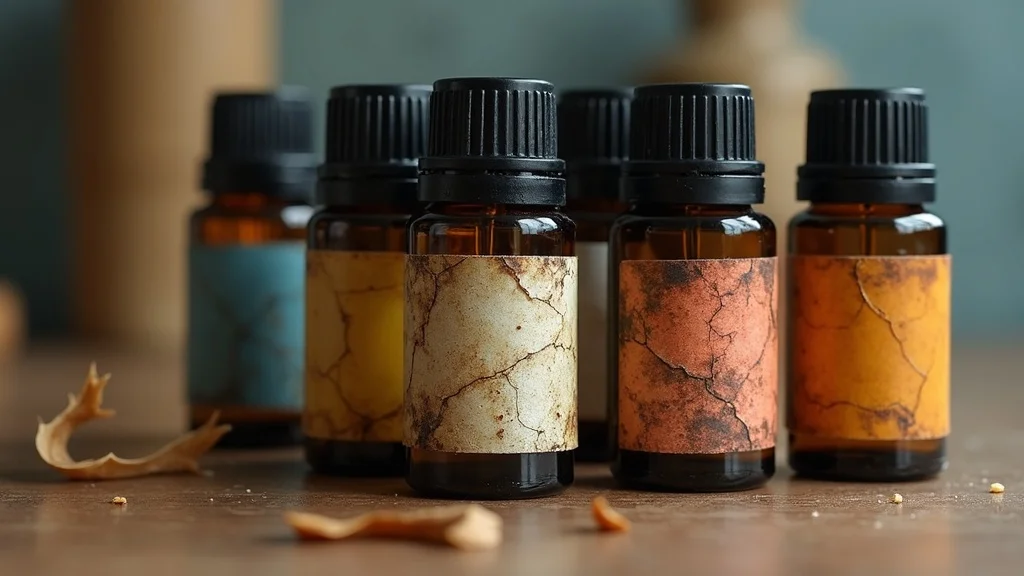
How do you know if an essential oil is past its prime? Signs of a degraded oil include: Faded or altered scent (less distinct or suddenly “off”) Cloudy appearance, or floating debris in the bottle Tarnished, cracked, or sticky bottle caps Labels that are hard to read or missing the open date If your oil smells harsh, sharply different from memory, or irritates the skin in ways it didn’t before, play it safe—retire the bottle
Common Essential Oil Storage Mistakes—and How to Avoid Them
- Storing in plastic or clear bottles
- Leaving caps loose or bottles half-open
- Forgetting to label with dates
- Exposing oils to bathroom humidity or kitchen heat
Avoiding these common mistakes will help protect your collection, potency, and safety. Double-check those cap threads, swap out clear glass for dark glass, store essential oils in a cool, dry space, and never leave a bottle uncapped. Think of your essential oil storage like food safety—vigilance pays off.
Safety First: Responsible Storage for Kids, Pets, and Sensitive Individuals
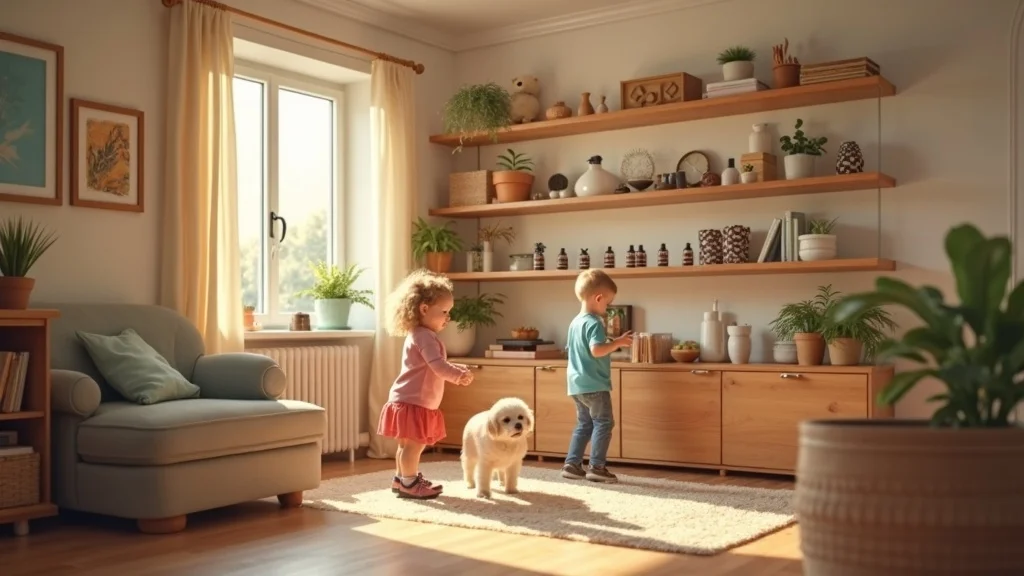
Keep all oils well out of reach of children and pets. Even diluted, some essential oils can cause side effects if ingested or spilled; accidental skin exposure can be especially risky for sensitive individuals. Choose high shelves, locked cabinets, or lidded storage boxes—especially if your home is bustling with curious little hands (and paws).
“Not medical advice; don’t ingest; dilute for topical; patch test; be cautious with kids/pregnancy/pets; consult a professional if unsure.”
People Also Ask: How Should You Store Your Essential Oils?
How Should You Store Your Essential Oils?
Answer: Store essential oils in tightly sealed dark glass bottles, away from heat, light, and moisture. Always label and organize for safety and longevity.
What is the 30/50/20 Rule for Essential Oils?
Answer: This popular rule suggests storing oils at 30% humidity, 50°F temperature, and limiting exposure to oxygen (air) to 20% of time open to maintain shelf life.
Is it Okay to Keep Essential Oils in the Fridge?
Answer: Some oils benefit from cool storage, but not all. Fridge storage is ideal for citrus oils, but can cause condensation in others. Always keep bottles tightly sealed.
Do Essential Oils Need to Be in Dark Bottles?
Answer: Yes; dark glass bottles protect essential oils from UV damage and premature oxidation, helping them last longer.
FAQs on How to Store Essential Oils Safely
- Can you store essential oils in plastic bottles?
No; plastic bottles can leach chemicals into your oils or degrade from contact, especially with potent blends or orange essential oil. Stick to dark glass bottles only. - How long do essential oils last once opened?
Most essential oils last 1–3 years once opened, depending on oil type, storage conditions, and exposure. Citrus and herbaceous oils have shorter shelf life, while resinous or woody oils (like frankincense) often last longer. - Is there a difference between storing single oils and blends?
Yes, blends may have unique shelf life based on their ingredients and are more likely to degrade if mixed with carrier oils or water. Store all blends in dark glass, tightly sealed, and label the blend date for best results. - What’s the best way to organize a growing collection?
Keep oils grouped by use, clearly labeled, and stored in a cool, dark environment—apothecary boxes, drawer inserts, or caddies all help keep things accessible, safe, and spill-free.
Key Takeaways for How to Store Essential Oils Safely and Effectively
- Always use dark glass bottles with tight seals
- Avoid heat, light, and humidity for long shelf life
- Organize and date everything—labeling is key
- Consult safety guidelines for kids, pets, and sensitive users
Start Your Own Modern Apothecary: Organize, Store, and Enjoy Your Essential Oils
Ready to upgrade your routine? With a few simple tools and mindful habits, anyone can store essential oils with the wisdom and care of a modern apothecary
Not medical advice; don’t ingest; dilute for topical; patch test; be cautious with kids/pregnancy/pets; consult a professional if unsure.