



Did you know? Nearly 40% of adults say they rarely get a full night’s sleep, and most of them have tried essential oils—often to no noticeable effect

A Modern Guide to Essential Oils for Sleep Routine (No Big Claims, Just Ritual)
If you’ve ever hoped a new essential oil would change your sleep overnight, you’re not alone—but real results begin with rituals, not miracles. This modern guide to essential oils for sleep routine is all about practical steps and simple organization, not impossible claims. You’ll learn how to create an inviting, functional night shelf and discover the best essential oil blend options for your own bedtime routine. With safety as our first priority and comfort our main goal, we’ll cover how to choose oils that actually fit your needs, mix blends the safe and easy way, and set up your night shelf so it’s a joy to use every evening. Let’s shift from scattered bottles and half-hearted attempts to a soothing nightly ritual—designed by you, for you.
Opening: Why Do So Many Essential Oils for Sleep Routines Fail?
Most “oils for sleep” routines fizzle out for two reasons: disorganization and unrealistic expectations. It’s frustrating to dig through a tangle of bottles and never quite remember which blend did what—or to expect a single whiff of lavender essential oil to change your life. Real comfort grows from small, repeated actions; the way you organize your space, choose scents with care, and make your routine your own has a deeper calming effect on your nervous system than any miracle claim. Our goal is to swap hype for habit, and create an essential oil routine you’ll actually look forward to at bedtime.

Startling Sleep Statistics and Surprising Facts
Did you know that over 50 million Americans have bought essential oils, but only a fraction report lasting sleep benefits? Research suggests scent rituals can trigger winding down in the brain—if they’re consistent and organized
Relatable Moments: Tackling the Messy Essential Oil Drawer
” Sound familiar? You’re not alone
“The right essential oil blend can transform your bedtime routine from chaos to calm—when used with intention and care.”
What You’ll Learn About Essential Oils for Sleep Routine
- Core principles of a sleep-boosting essential oil setup
- Top essential oils for nightly rituals: lavender essential oil, roman chamomile, clary sage, cedarwood essential oil, vetiver essential oil, and more
- How to mix an effective essential oil blend for your unique bedtime routine
- Safe and sustainable organization tips for your cozy night shelf
- Common mistakes to avoid when starting out with oils for sleep
The Basics: What Are Essential Oils for Sleep Routine?

Essential Oil Definition (Sleep-Focused)
Essential oils are highly concentrated plant extracts used to support wellness through scent and, sometimes, topical application. Essential oils for sleep routine are those known for their calming effect—helping to promote relaxation and settle the nervous system before bed. Sourced from plants like lavender, roman chamomile, or clary sage, these oils are the “tools” for building your own nighttime apothecary ritual. The magic is not in overnight cures, but in small sensory habits that signal it’s time to slow down and sleep.
Why Essential Oils and Essential Oil Blends Belong in a Bedtime Routine
Natural scents play a powerful role in sleep hygiene—helping to reduce stress, ease anxiety, and create a comforting environment. When a bedtime routine includes diffusing or applying a carefully chosen essential oil blend, it tells your brain “it’s time to rest.” The consistency of this ritual is crucial. With oils like lavender essential oil for relaxation or cedarwood essential oil for grounding, you support a calming effect and may help improve sleep quality, especially when combined with other good sleep habits.
Key Safety Reminders for Using Essential Oils for Sleep Routine
Not all oils—or methods—are safe for every person or pet. It’s important to be cautious when using essential oils for sleep routine: Avoid direct skin contact by always diluting with a carrier oil, and never ingest oils. Children, pets, and pregnant people are especially sensitive, so check safety for each oil. Don’t forget to label and patch test new blends—a quick check on your wrist can keep your ritual comforting instead of irritating. If in doubt, consult a healthcare professional before introducing new oils into your routine.
“Not medical advice; don’t ingest; dilute for topical; patch test; be cautious with kids/pregnancy/pets; consult a professional if unsure.”
Quick Checklist: Building Your Essential Oils for Sleep Routine Night Shelf
- Choose soothing essential oils (e.g., lavender essential oil, roman chamomile, clary sage, ylang ylang, cedarwood essential oil, vetiver essential oil, bergamot essential oil)
- Gather supplies: carrier oil, diffuser, roller bottles, cotton pads, storage box
- Label all bottles (date, blend name, ingredients)
- Keep shelf tidy and easily accessible at bedtime
- Patch test new oils and blends before regular use
Deep Dive: Best Essential Oils for Sleep Routine
Lavender Essential Oil: The Classic Sleep Scent
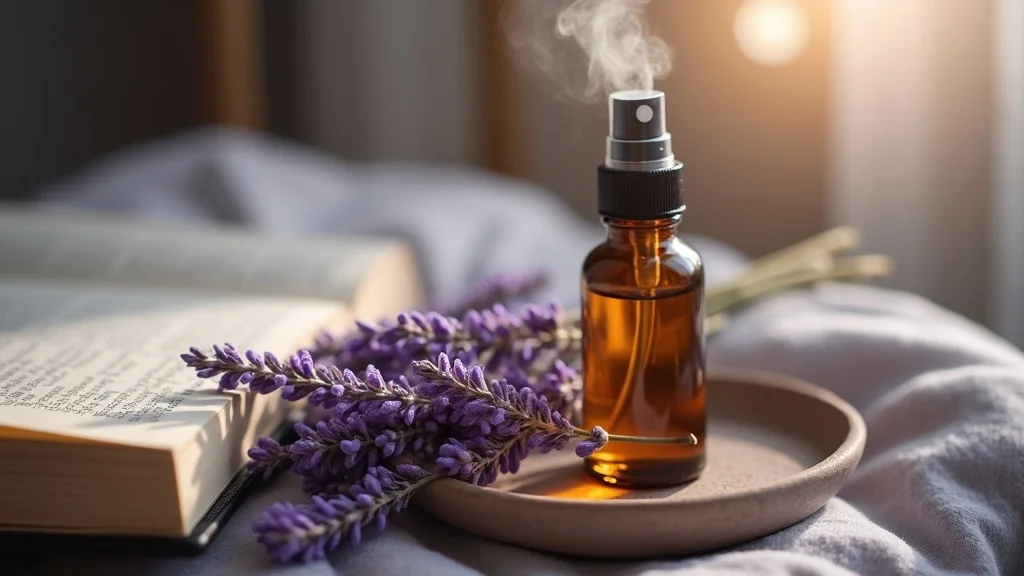
Lavender essential oil is celebrated for its calming effect and ability to promote relaxation. As the “gold standard” for bedtime routines, lavender oil’s floral aroma is linked to reduced anxiety, improved sleep onset, and deeper rest. Diffusing lavender essential oil 20–30 minutes before bed is a simple way to make your sleep ritual gentle and inviting. Remember: always dilute when applying topically, and store in a cool, dark place to preserve freshness for your nightly ritual.
Roman Chamomile and Chamomile Essential Oil for Soothing Rest
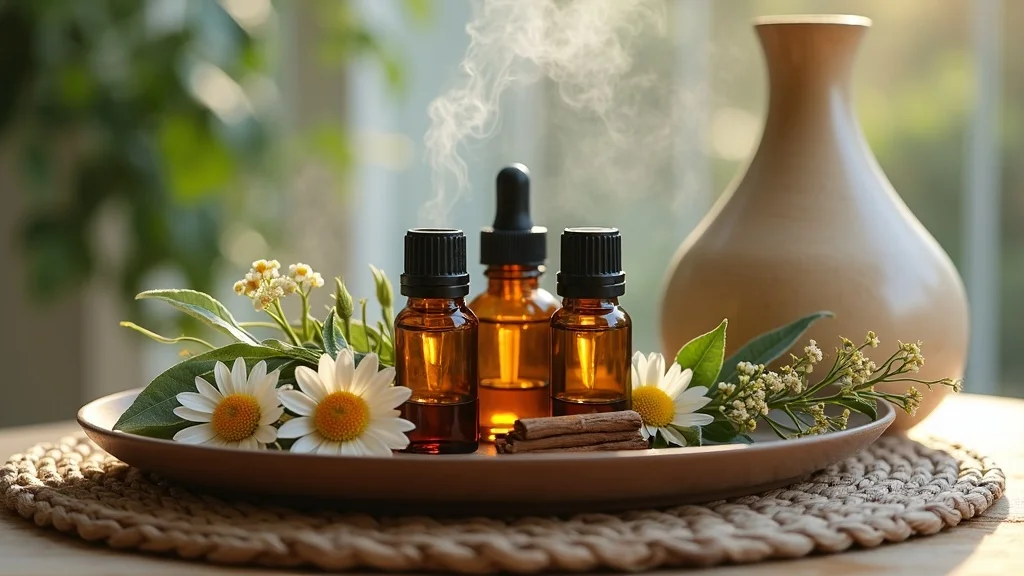
Roman chamomile and chamomile essential oil offer a warm, apple-like scent reminiscent of classic bedtime teas. These oils are excellent for soothing the mind and quieting “bedtime worries.” If you struggle with restlessness or racing thoughts, a few drops of chamomile essential oil in your diffuser or blended with lavender oil can help you cultivate a peaceful transition to sleep. This gentle choice is often favored for sensitive users, including kids (with extra caution and always diluted).
Clary Sage and Sage Oil: Managing Tension and Mind Racing
Clary sage and sage oil are increasingly popular in essential oil blends for sleep routines. Known for their earthy, slightly herbal scent, these oils are believed to reduce stress and tension. Clary sage especially is chosen for its reputation for calming the mind, balancing mood, and easing emotional stress at bedtime. Incorporate a drop or two into your favorite oil blend for sleep to curb mind racing and promote a sense of tranquility.
Cedarwood Essential Oil and Cedarwood Essential: Earthy Calm
Cedarwood essential oil is a staple for those who crave grounding scents. Its woody aroma is said to create an earthy, safe anchor at bedtime, often included in blends aimed at supporting restful sleep and a stable mood. Cedarwood mixes beautifully with lavender and clary sage, offering a robust base note in your essential oil blend that lingers gently through the night. Always dilute for topical use and enjoy the calming effect in a nightly diffuser routine.
Vetiver Essential Oil: Deep Stillness
If you seek “deep stillness” for busy thoughts or wakeful nights, vetiver essential oil is a strong contender. This heavy, rich scent is less floral and more grassy-earthy—often called the “oil of tranquility.” Vetiver is thought to relax the nervous system and improve sleep quality when other blends aren’t quite strong enough. Start with a drop or two blended with lavender essential oil in a carrier oil or diffuser for powerful grounding before bed.
Bergamot Essential Oil: Balancing Mood at Bedtime
Bergamot essential oil is the citrus note beloved by many who crave a fresh twist in their sleep blends. While uplifting, bergamot essential is unique among citrus oils for its relaxing effect. Often included to reduce anxiety and tension, it makes a great pairing with lavender essential oil or clary sage, creating a balanced scent profile that relaxes the mind and supports bedtime rituals without being too sedating.
Exploring Ylang Ylang in Your Bedtime Routine
Ylang ylang provides a sweet, slightly exotic floral scent that can soften other oils and connotes luxury and deep comfort. Used in moderation, ylang ylang essential oil is excellent for sensitive sleepers or those who need a gentle touch in their nightly blend. Combine with lavender essential oil or roman chamomile for a balanced, gentle aroma that relaxes without overpowering. As always, test new blends to find your perfect apothecary combination.
“No single oil is magic for everyone; listen to your senses and enjoy the process of finding your ideal blend.”
DIY Recipes: Essential Oil Blends for Sleep Routine
- Classic Relaxation Blend (lavender essential + roman chamomile + vetiver essential)
- Calm Mind Blend (clary sage + cedarwood essential oil + bergamot essential)
- Gentle Night Blend for Sensitive Users (lavender essential oil + ylang ylang)
How to Create Your Own Essential Oil Blend
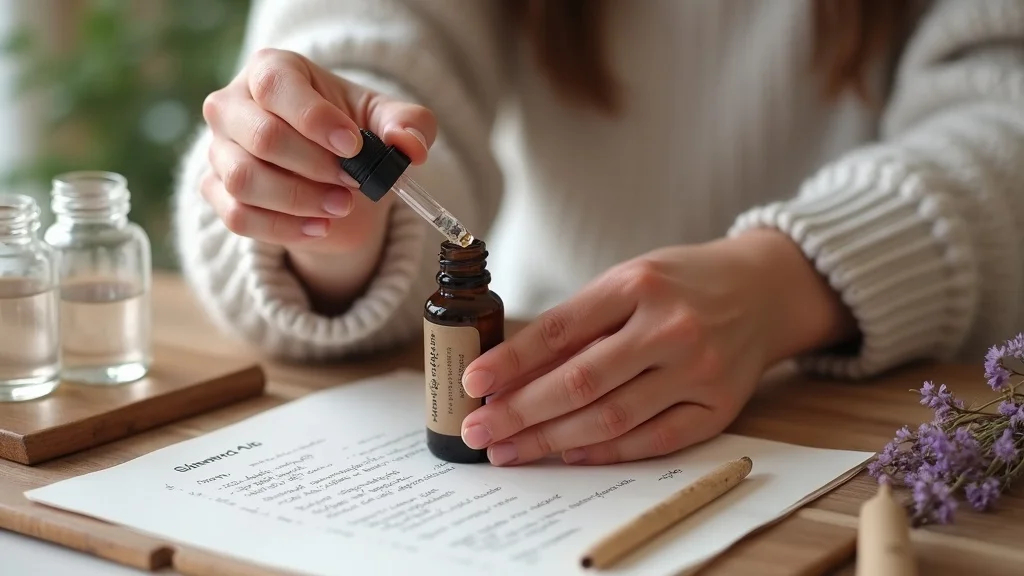
To craft a sleep-supportive essential oil blend, start with 3–4 oils from your apothecary shelf based on your scent preferences and sleep needs. Use the 20 30 50 rule for underlying structure (explained below). Mix your chosen essential oils in a clean glass bottle with a carrier oil (like jojoba or sweet almond), label with the blend name and date, and patch test before regular use. This hands-on approach ensures you’re blending safely and thoughtfully, making your routine feel personalized and comforting every night.
The 20 30 50 Rule for Essential Oils and Blending
The 20 30 50 rule streamlines your blend: Aim for 20% “top note” oil (like bergamot essential oil), 30% “middle note” oil (like roman chamomile or clary sage), and 50% “base note” oil (such as lavender essential oil or cedarwood essential). This balance ensures a harmonious aroma, safe dilution, and longer-lasting scent. Always use a carrier oil for topical blends and refer to a dilution chart for safety—typically 1–2% essential oils to 98–99% carrier oil for most adults.
| Blend Name | Essential Oils | Carrier Oil | Diffuser/Topical | Notes (Safety) |
|---|---|---|---|---|
| Classic Relaxation | Lavender, Chamomile, Vetiver | Jojoba | Both | Dilute/patch test |
| Calm Mind | Clary Sage, Cedarwood, Bergamot | Sweet Almond | Both | Dilute, avoid eyes |
| Gentle Night | Lavender, Ylang Ylang | Coconut | Both | Extra gentle |
Setting Up Your Sleep Routine Night Shelf: Practical Apothecary-Style Organization
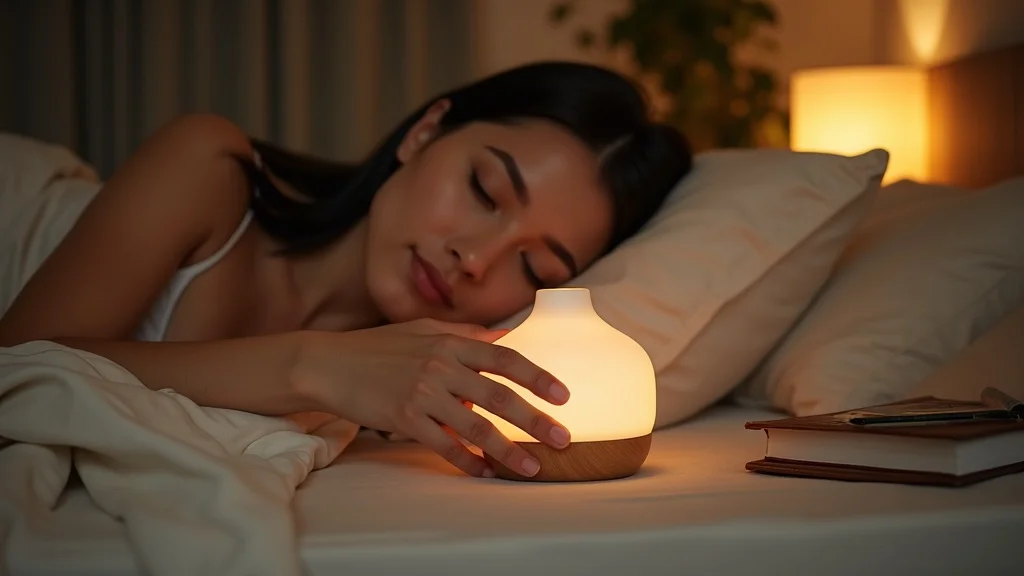
- Choosing a spot: away from heat, sunlight, and kids/pets
- Essential storage tips: upright bottles, trays, baskets
- Labeling and dating your essential oils and blends
- Must-have toolkit: dropper, funnel, cotton pads, timers
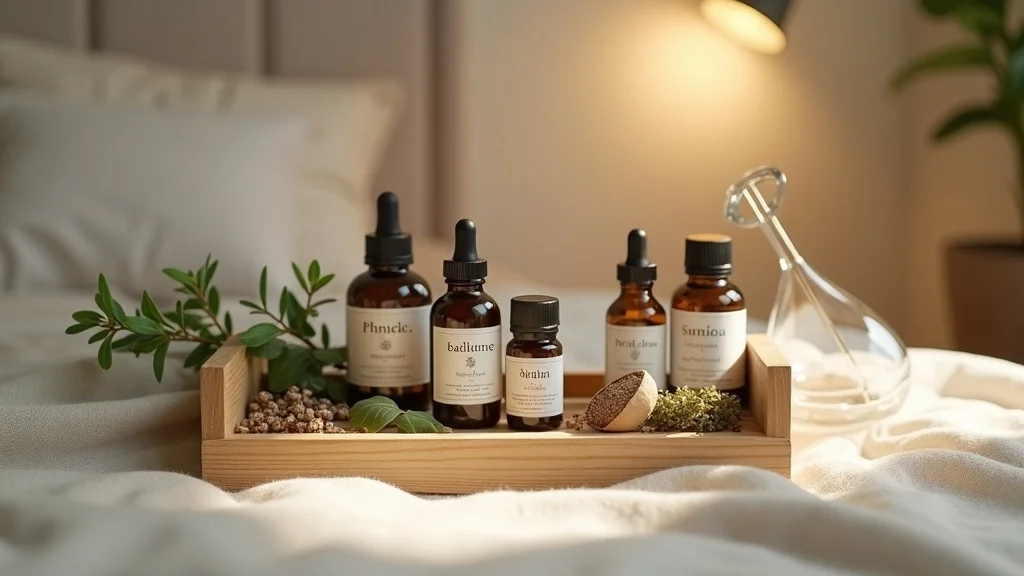
A tidy “apothecary night shelf” is both practical and calming. Keep bottles upright and sorted—grouped by blend or use (e.g., “relax”, “fresh”, “kids safe”). Choose a cool, shaded spot within reach of your bed, but away from direct sunlight or little hands. Clearly label each bottle with the blend, date, and full ingredient list. Include tools: a dropper for precise blends, a cotton pad for accidental spills, and a timer or mini clock to anchor your routine. This keeps your ritual organized, inviting, and easy to use nightly.
How to Incorporate Essential Oils for Sleep Routine in Your Night Rituals
Where to Put Essential Oils to Help Sleep

The most effective way to use essential oils for sleep routine is through scent. Place a diffuser near your bed or on your night shelf—allowing aroma to fill your space 20–30 minutes before sleep. For topical application, roll diluted blends on pulse points (wrists, behind ears). Never use undiluted oils directly on skin, and always check for sensitivities. Spray a gentle blend onto your pillow or use a sachet of dried herbs with your oils as a comforting tactile anchor each night.
Simple Steps: Diffuser, Linen Spray, or Topical Rollers
- Diffuse 20-30 minutes before bed
- Apply oil blend to pulse points (dilute!)
- Spritz pillow with a gentle essential oil blend spray
Begin by diffusing your blend, or using a rollerball on pulse points, for consistent scent memory. Spritzing your pillow with a linen spray lets you enjoy the calming effect all night. Always patch test each method and never use oils near eyes or on broken skin. Create an environment where essential oils become a sensory signal that bedtime has arrived—calming your nervous system as you prepare for restful sleep.
“Routine (not miracle) is what makes the ritual effective. Consistency over hype.”
What Essential Oil Is Best for Falling Asleep? (PAA)
Most Popular Oils for Sleep Routine: Lavender Essential Oil and More

Lavender essential oil tops nearly every list as most effective for falling asleep, due to its calming effect and pleasant floral aroma. Roman chamomile and cedarwood essential oil are also widely recommended, with clary sage, bergamot essential oil, and vetiver essential oil appearing as favorites for deeper, more restful sleep. Ultimately, the best oil depends on your unique scent preferences and routine, so don’t hesitate to experiment with blends until you find what helps you relax most consistently.
Safety Advice and Personalization
Remember, safe sleep routines take patience and experimentation. Always dilute oils, label each blend, and patch test for sensitivity. Crowdsourcing recommendations is helpful, but your best sleep blend may differ from others—listen to your responses each night and tweak your formula with care. For sensitive skin or medical conditions, consult a professional before starting new essential oil routines at bedtime.
What is the 20 30 50 Rule for Essential Oils? (PAA)
Understanding Proportions in Essential Oil Blends for Sleep Routine
The 20 30 50 rule is a practical way to structure your essential oil blend: Start with 20% top note (light, uplifting), 30% middle note (balancing, soothing), and 50% base note (deep, grounding). For example, a “Classic Relaxation” blend could use 2 drops bergamot essential oil (top), 3 drops clary sage (middle), and 5 drops lavender essential oil (base) per 10 drops total. Always top off your blend with carrier oil and patch test. This method ensures each scent layer comes through and builds a cohesive, comforting aroma for your routine.
Tables for Measuring and Mixing your Oil Blend
| Total Drops | Top Note (20%) | Middle Note (30%) | Base Note (50%) |
|---|---|---|---|
| 10 | 2 | 3 | 5 |
| 20 | 4 | 6 | 10 |
| 30 | 6 | 9 | 15 |
Always use a clean dropper, mix in a glass bottle, and top with carrier oil for topical blends. Label with blend name and date, and adjust per your scent preference.
Where to Put Essential Oils to Help Sleep? (PAA)
Best Application Methods: Diffusers, Roll-Ons, Sprays
For maximizing the calming effect of essential oils for sleep routine, use a diffuser—fill your bedroom with gentle mist 20–30 minutes before bed. Roll-ons are great for pulse point application (always diluted with carrier oil), while linen spray gives a lingering scent on pillows and bedding. Some people enjoy placing a cotton pad with oil near their bed, but never directly on skin or close to eyes. Pick what feels soothing and easy to repeat each night.
Topical Cautions for Essential Oils for Sleep Routine
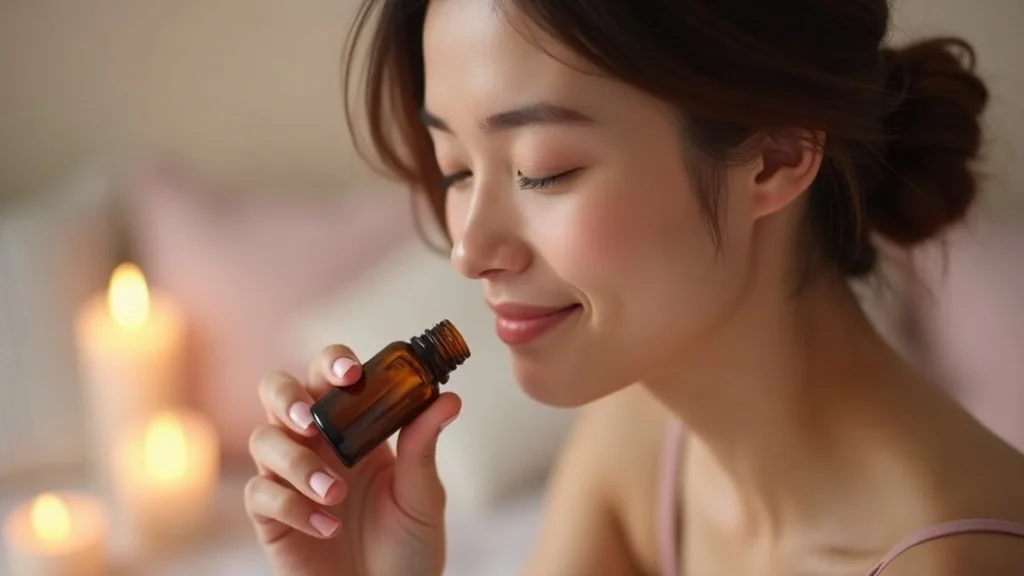
Topical application of essential oils can be soothing, but only when handled safely. Never use pure essential oils directly on your skin—always dilute with a carrier oil. Patch test each blend on your inner forearm to check for irritation before nightly use. Avoid applying oils near sensitive areas like eyes, mouth, or cuts. If irritation occurs, wash area with mild soap and discontinue use. Children, pregnant people, and pets are particularly sensitive to essential oils—consult a professional for guidance on safe choices and concentrations.
Which Smell Helps You Fall Asleep Faster? (PAA)
The Role of Scent Memory in Your Bedtime Routine
Scent is deeply tied to memory and emotional state. When you pair a specific aroma—say, a blend of lavender essential oil and cedarwood essential oil—with relaxing rituals, your brain learns to associate that scent with sleep. Over time, this connection can cue your mind and body for rest, helping you fall asleep faster. The most effective sleep scents are the ones you genuinely find calming and comforting—experiment with gentle, sleep-promoting oils until you create your own sleep-ready signature aroma.
Popular Scents Ranked: Lavender Essential Oil, Roman Chamomile, Cedarwood Essential, and More
For most users, these are the top essential oils for sleep routine:
- Lavender Essential Oil: Classic floral, calming, and widely studied.
- Roman Chamomile: Gentle, apple-sweet, comforting for sensitive sleepers.
- Cedarwood Essential: Earthy and grounding, adds depth to blends.
- Clary Sage: Herbaceous and soothing for emotional stress.
- Vetiver Essential Oil: Deep, tranquil “stillness” effect for busy nights.
- Ylang Ylang: Softly floral, adds sweetness to blends.
- Bergamot Essential Oil: Uplifting citrus with unique calming effect.
Common Mistakes When Using Essential Oils for Sleep Routine
- Using undiluted oils directly on skin
- Relying on claims, not comfort
- Over-cluttered night shelf (no organization)
- Using expired essential oils
- Ignoring patch tests
These mistakes are easily avoided with a simple, safety-first mindset—always dilute, label everything, organize your shelf, and patch test new blends. Choose comfort over hype for a routine that lasts.
FAQs: Essential Oils for Sleep Routine Answered
- Is it safe to use essential oils every night?
Generally yes—if diluted properly and patch tested. For sensitive groups (kids, pets, pregnant people), check safety for each oil or ask a professional. Rotate oils to avoid sensitivities from repeated use. - How can I tell if an essential oil has gone bad?
Old essential oils often smell “off,” lose potency, or change color and texture. Store in a cool, dark place; discard if aroma, thickness, or color seem unusual. - What’s the shelf life of common sleep oils?
Most essential oils last 1–3 years; citrus oils are shortest (around 1 year), while woody oils like cedarwood can last 2–3 years when stored properly. - Can I mix essential oils directly into bathwater for sleep?
It’s best to blend oils with a carrier oil first—never drop oils straight into bathwater as they sit on the surface and may irritate skin. Mix with 1-2 tbsp carrier oil or an unscented bath base and always patch test before use. - Are essential oils safe for everyone in the household?
No; some oils are unsafe for young children, pregnant people, pets, or those with allergies. Always check safety for your situation and keep blends out of reach unless labeled “kids safe” or “pet safe.”
Key Takeaways for Your Cozy Essential Oil Sleep Routine
- A simple apothecary night shelf keeps your oils organized and effective
- Choose and blend essential oils for your true sleep needs—not trends
- Safety and routine are the foundation of any ritual
- Small, intentional steps beat perfection—or perfectionism
Try Your Own Essential Oils for Sleep Routine Tonight!
Begin with a calm space, a gentle blend, and a cozy shelf setup.
Start with one classic blend, set up your “apothecary” shelf, and discover how a few mindful steps can improve your bedtime routine and sleep quality without stress or overwhelm.
Key reminder: “Not medical advice; don’t ingest; dilute for topical; patch test; be cautious with kids/pregnancy/pets; consult a professional if unsure.”