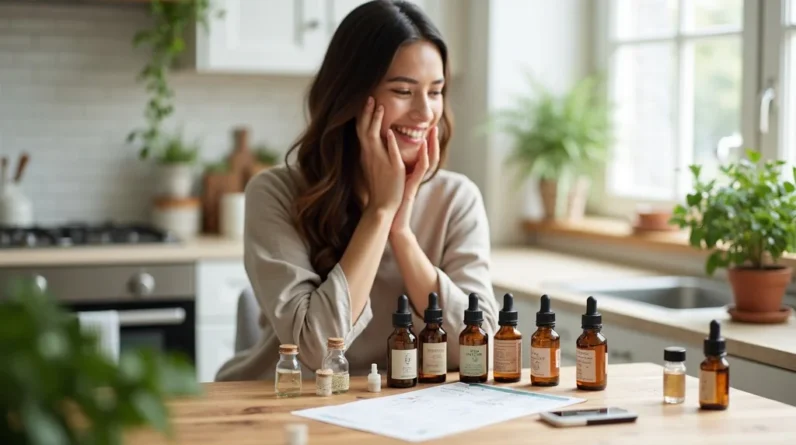


The good news? A modern safety routine protects your rituals, your wallet, and your well-being
Why Essential Oil Safety Matters in Every Modern Apothecary
“Did you know that over 25% of reported essential oil injuries happen at home? One leaky bottle or improper blend could spell discomfort—or costly cleanup.”
Essential oil safety should be at the heart of every modern apothecary practice. These oils are highly concentrated—just a single drop can have powerful effects on your skin, immune system, and even your nervous system. That’s why simple habits like proper labeling, correct dilution, and mindful storage matter every single day. Whether you’re diffusing lavender to unwind or blending clary sage for clarity, careless handling can turn an ordinary self-care routine into an adverse reaction or allergic reaction nightmare.
Ready to transform your essential oil routines? Start with the right knowledge and a few smart habits
What You’ll Learn About Essential Oil Safety
- Clear definitions of essential oil safety and oil safety guidelines
- Step-by-step modern apothecary safety routines
- How to identify an adverse reaction and allergic reaction
- Storage and shelf-life tips to prevent mistakes
- Quick safety checklists and essential oil safety guide tables
Essential Oil Safety: Key Definitions, Principles, and Oil Safety Guidelines
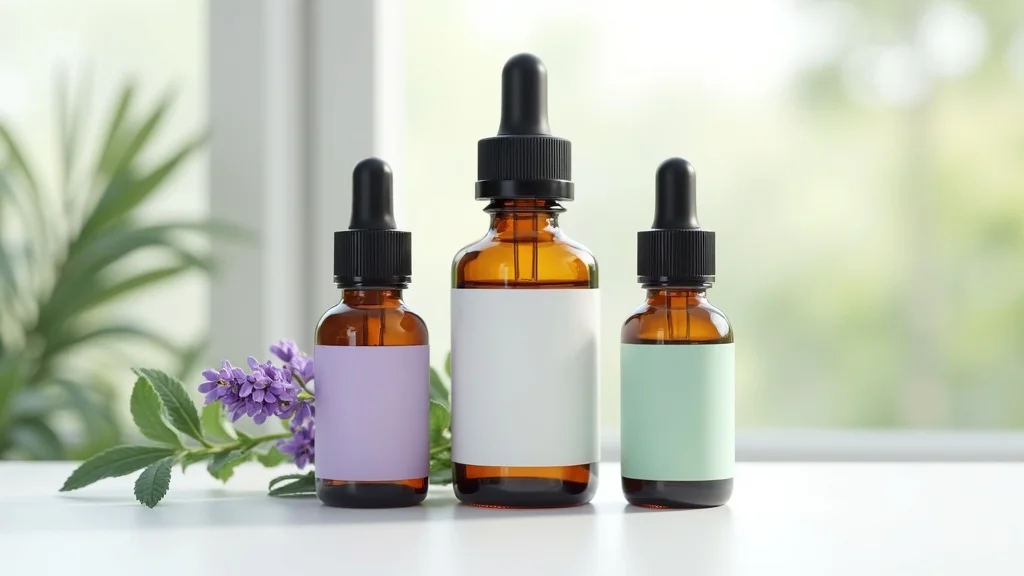
- What are essential oils, and why is safety of essential oils vital?
- Clary sage, lavender, peppermint: common and commonly misused essential oils
- Overview: safety guide vs. miracle cure approach
Essential oils are distilled plant extracts—highly concentrated, packed with powerful oil constituents that influence the immune system, nervous system, and respiratory system. Clary sage, lavender, and peppermint oils are favorites for their versatility, but without a proper oil safety routine, even these gentle-sounding options can cause issues. Oil safety means using these tools intentionally and respectfully, rather than searching for miracle cures. The right safety guide ensures every ritual—whether you’re uplifting your mood or soothing your skin—is a benefit, not a risk. Remember: the safety of essential oils is about creating calm and comfort, not about finding a fix for every ailment.
Essential oil safety isn’t about fear—it’s about confidence, calm, and protecting the rituals you love.
Quickstart Essential Oil Safety Checklist for Every Day Use
- How to read labels on essential oils
- Patch test process: allergic reaction prevention
- Dilution guidelines for essential oil safety (adults, kids, pregnancy, pets)
- When to consult professionals like Robert Tisserand or a certified aromatherapist
- Red flags for adverse reaction
- Essential oil shelf-life and storage (never an afterthought!)
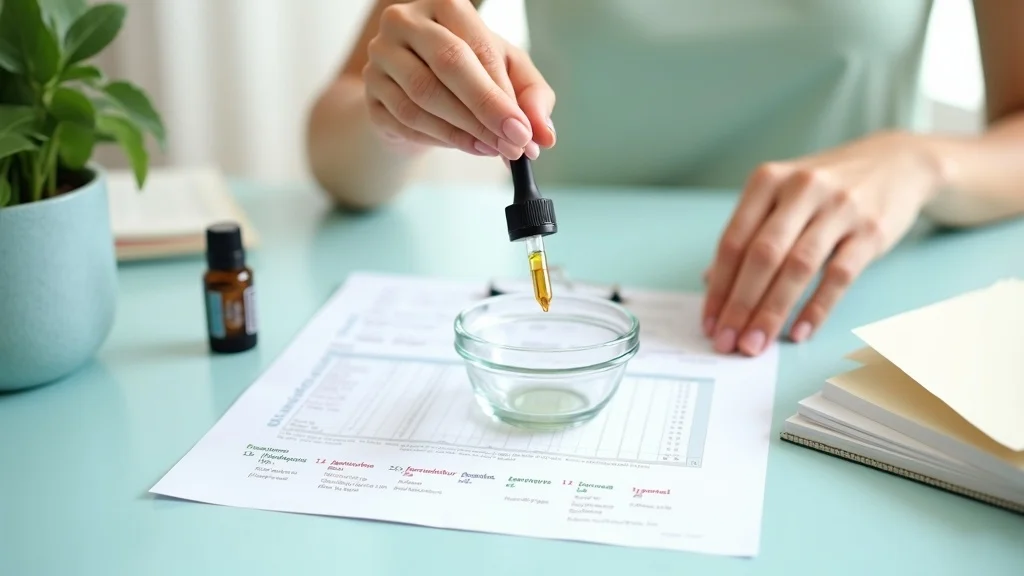
Every daily essential oil ritual should start with a quick safety scan: Before using, read the label for key details—botanical name, batch number, expiration date, and dilution instructions. Always perform a patch test by applying a small amount (properly diluted!) to your inner forearm—wait 24 hours for any allergic reaction or skin irritation.
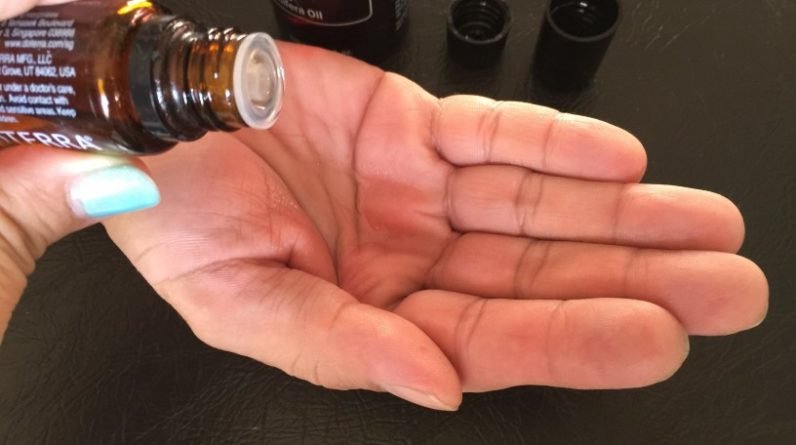
Dilution is everything: For adults, start with a maximum dose of 2-3% dilution (12–18 drops per ounce carrier oil); children, sensitive skin, and those who are pregnant need even gentler blends (0.25–1%). Never use essential oils undiluted on skin, and avoid altogether for infants and certain pets, especially cats and dogs. Store bottles securely in dark glass in a cool, dry location—never in direct sunlight or with loose caps. If you detect an adverse reaction (redness, swelling, headache, dizziness, or any unusual symptoms), stop immediately and consult a healthcare professional or certified aromatherapist like Robert Tisserand.
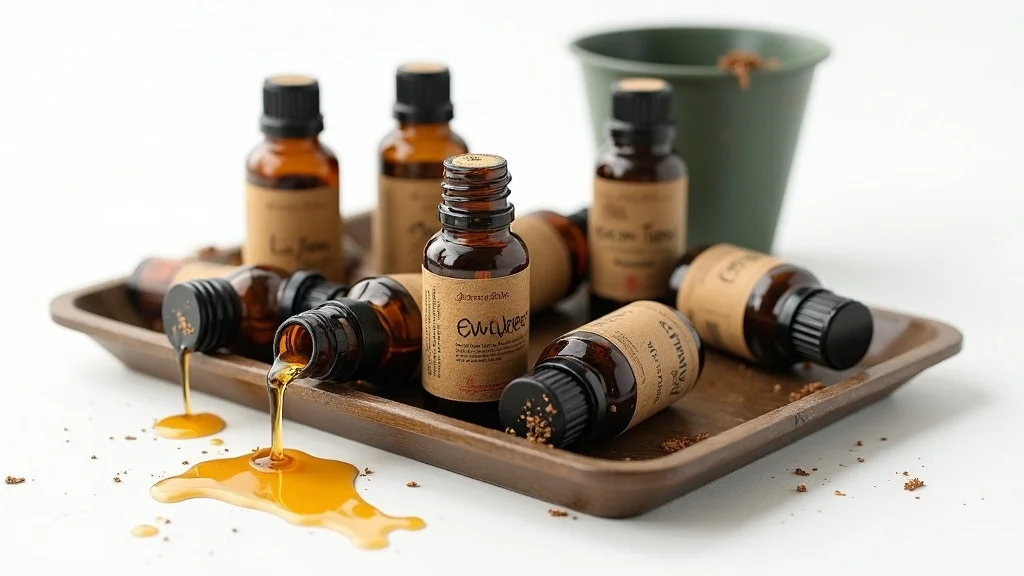
Shelf-life matters: Old or oxidized oils can become skin hazards or lose benefits. Discard any oil that’s cloudy, smells off, or shows signs of leaking/crusting on the cap. Oil safety is not complicated—habit turns it into a seamless, modern ritual.
Essential Oil Safety Table: Dilution Ratios, Patch Test, and Storage Quick Reference
| Essential Oil | Safe Use | Dilution Ratio | Patch Test Required | Storage Notes | Special Cautions (kids, pets, pregnancy) |
|---|---|---|---|---|---|
| Lavender | Topical, Diffuser | 2% adults / 0.5% children | Yes | Dark glass, cool place | Low risk, dilute for kids & sensitive skin |
| Peppermint | Topical (not facial), Diffuser | 1.5% adults / avoid kids & pregnant | Yes | Dark glass, label tightly | Avoid under age 6, not safe for pregnancy/pets |
| Clary Sage | Topical, Diffuser | 1–2% adults | Yes | Dark glass, away from heat | Avoid during pregnancy |
| Tea Tree | Topical, Cleaner | 1–2% adults | Yes | Tightly capped, avoid sunlight | Toxic to cats/dogs |
Not medical advice. Never ingest. Always dilute. Patch test. Be cautious with kids, pregnancy, and pets. Consult a professional if unsure.
Modern Apothecary Organization: How to Store and Use Essential Oils Safely
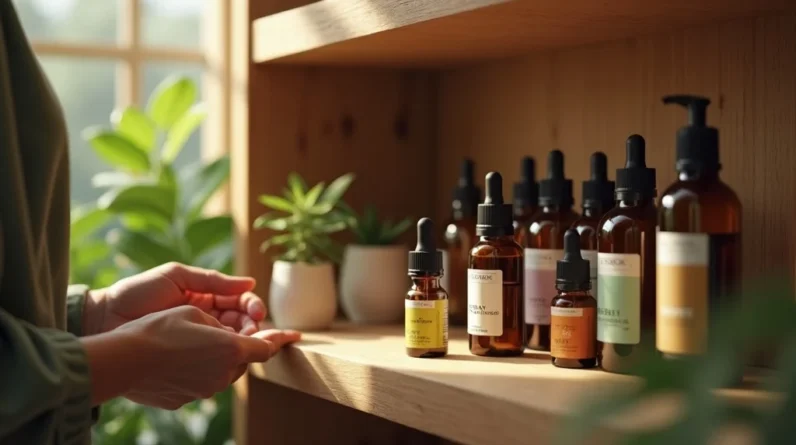
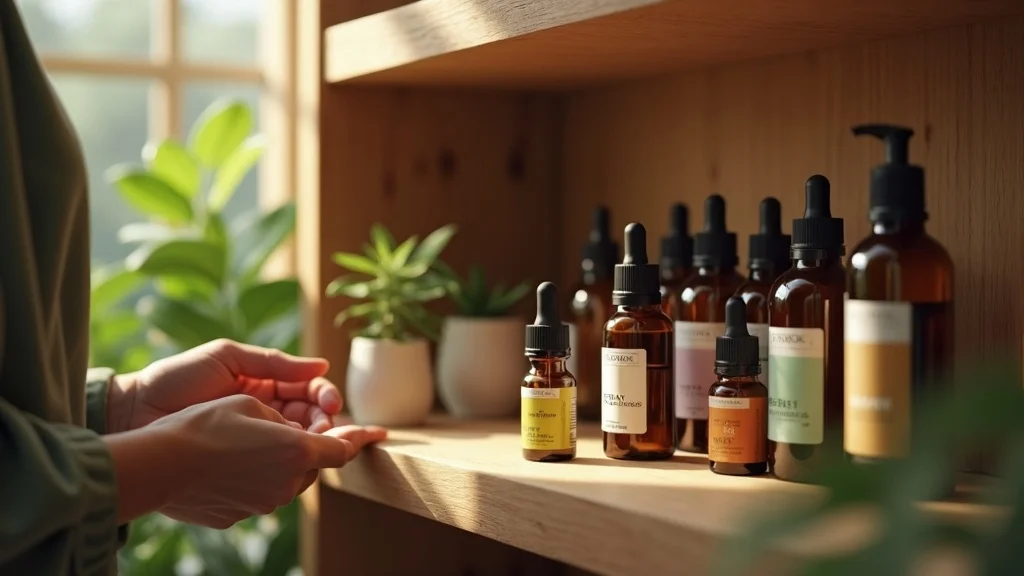
- How to set up a safe, organized essential oil drawer/system
- Preventing leaky bottles: container do’s & don’ts
- Batch blends: labeling, notes, and oil safety documentation
- Keeping essential oils away from kids, pets, and light
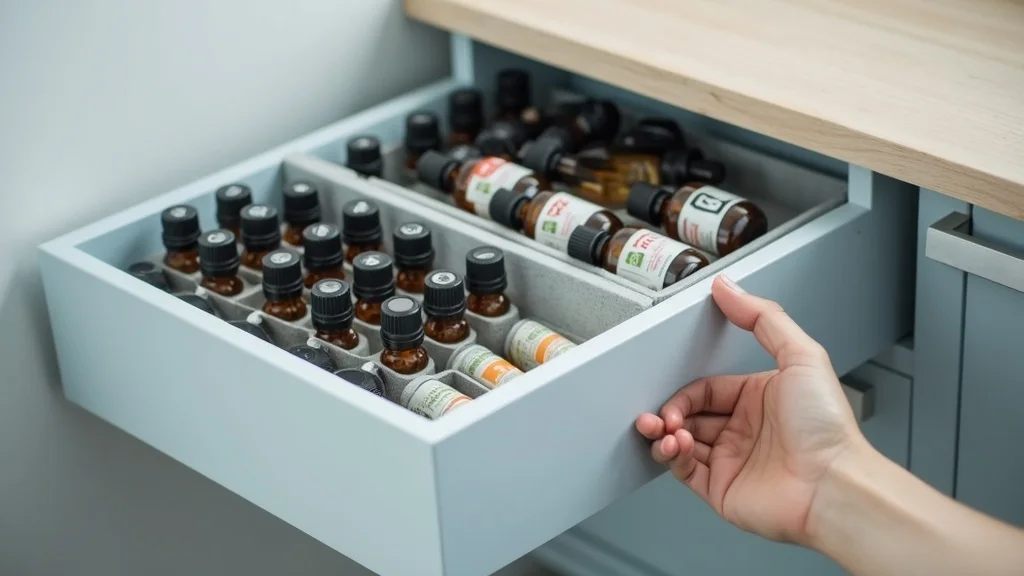
The most overlooked source of oil safety hazards? A messy drawer, missing labels, or forgotten batch blends
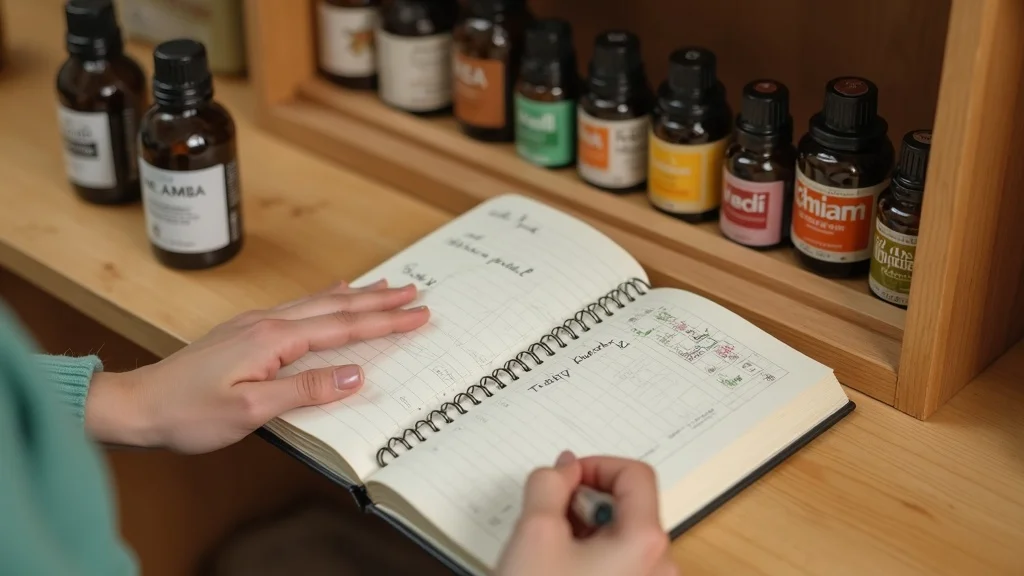
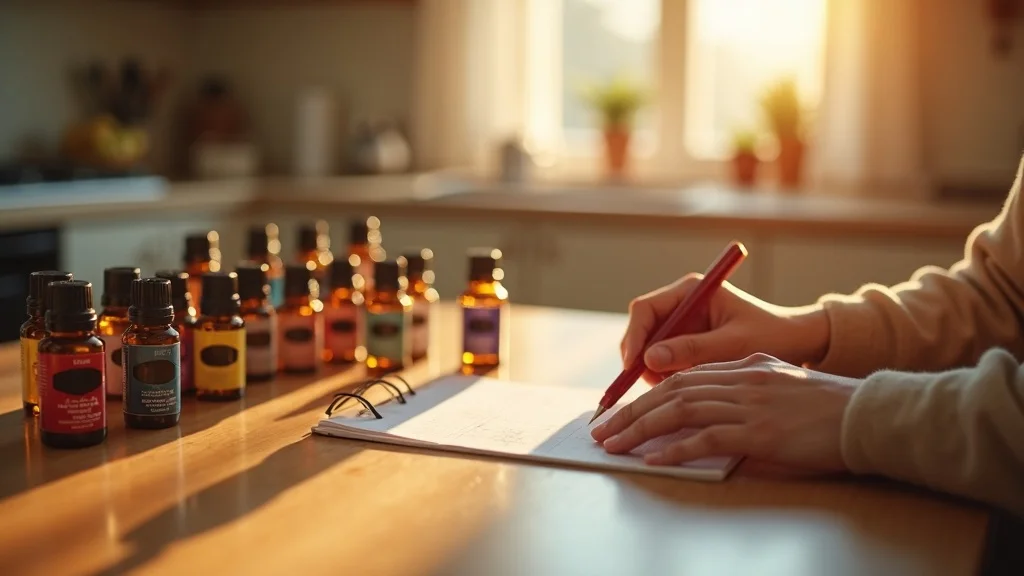
Avoid leaky disasters: Choose high-quality caps and bottles (no plastic dropper tips—they degrade). When mixing batch blends, label every container with the oil profiles, creation date, dilution ratio, and special notes—whether it’s intended for sleep, relaxation, or immune system support. Use a log or notebook for tracking usage, shelf-life, and reactions. With oils so highly concentrated, a missing label or mix-up can spell chaos. A solid storage and documentation habit brings calm to your entire system.
“Organization is a safety tool. One missing label could mean the difference between calm and chaos.”
Essential Oil Safety in Practice: Blending, Rituals, and Simple Recipes
- Easy, safe blends for beginners (roller, diffuser, bath—no ingestion!)
- Safety-first blending: measuring, diluting, and storing
- How to adjust for sensitive skin, pregnancy, and pets—safety guidelines you can trust
- DIY organizing rituals that support oil safety and joy
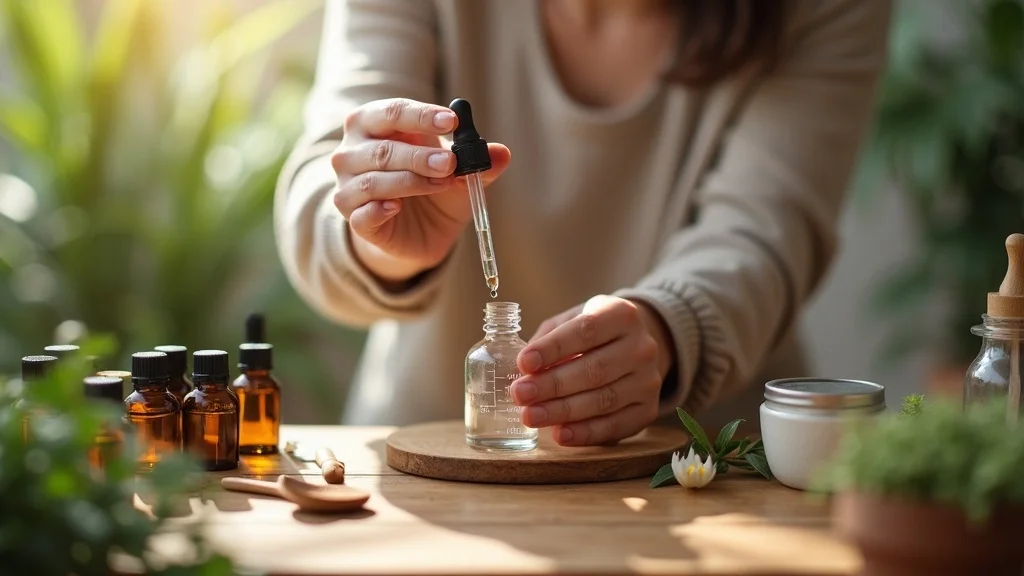
Practical safety is the heart of every good blend. Start with simple diffuser mixes (like 3 drops lavender + 2 drops clary sage in a 100ml diffuser) or topical rollers (6 drops oil in 1 oz carrier for adults). Never exceed the recommended maximum dose; for sensitive skin, pregnancy, or children, halve the dilution. Avoid oils known for skin reactions (e.g., undiluted peppermint, cinnamon, tea tree oil on young skin or pets). Document each new recipe—purpose, user notes, and source. If you’re exploring new oil profiles, always patch test.
Rituals matter: Set a routine for organizing, blending, and labeling. Involve the whole household in safety checks—kids can help organize (but not handle the oils), adults check shelf-lives and log usage. This builds a culture of safety, turning essential oil use into a joy, not a risk.
Popular Essential Oil Recipes and the Safety of Essential Oils: Mistakes to Avoid
- Common adverse reactions and how to identify them fast
- When a blend smells “off”—what to do safely
- The allergic reaction checklist and what to do next
- Mythbusting: why some “miracle cures” are actually oil safety hazards
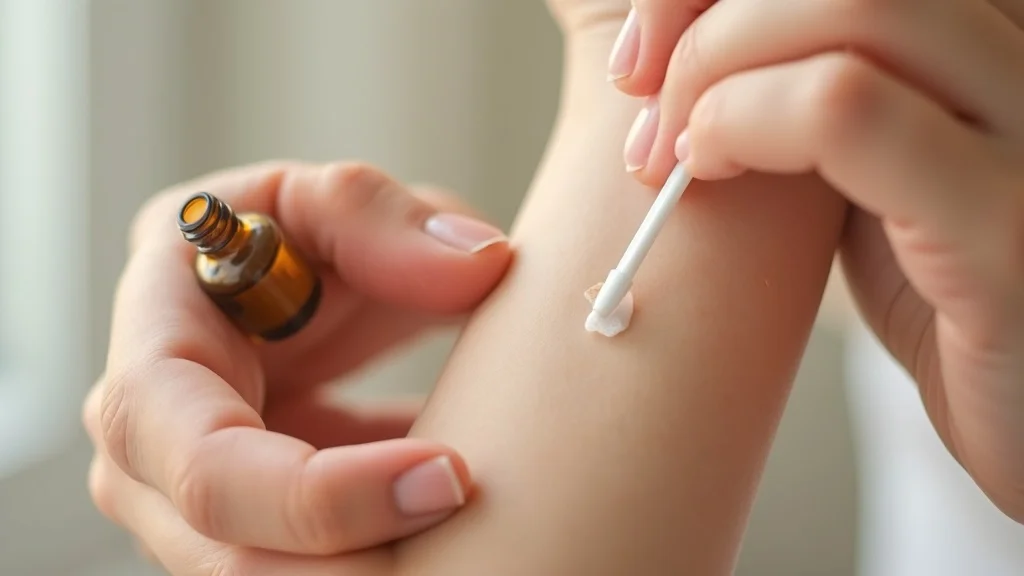
Adverse reactions can sneak up suddenly: redness, burning, swelling, rashes, headaches, or dizziness. If a blend smells different, looks cloudy, or feels different on your skin, stop use immediately—oxidation, contamination, or expired oil could be to blame.
Here’s your allergic reaction checklist: Within 24 hours of applying (always diluted) to your inner forearm, check for redness, itching, or swelling. If you have any doubts, consult a healthcare professional or certified aromatherapist. Never use old, leaking, or unlabeled bottles—discard them safely. Don’t be fooled by “miracle cure” claims: essential oils are highly concentrated and can stress the nervous, immune, and digestive systems if misused. Trust evidence-based routines, not myths!
Expert Insights: Robert Tisserand and the Science of Essential Oil Safety
- Who is Robert Tisserand?
- His safety guidelines and best practices
- How to interpret expert recommendations for your daily routines

Robert Tisserand is a globally recognized aromatherapy expert whose research, safety guides, and recommendations shape the industry’s standards for essential oil safety. His best practices—dilute every oil, always patch test, never ingest, and steer clear of risky oils for children or pets—are echoed by healthcare professionals worldwide.
Integrating Tisserand’s safety guidelines doesn’t complicate your ritual; it empowers you. Read his advice, track dilution ratios, and stay up-to-date with trusted “oil profiles” before experimenting. Use his guidelines as a benchmark, not a barrier: if in doubt or experiencing any adverse reactions, consult a certified aromatherapist or refer to his books.
“Read. Dilute. Patch test. Never ingest. These simple steps protect you, your family, and your pets.” — Robert Tisserand, Essential Oil Safety Guide
People Also Ask: Essential Oil Safety Questions
What is the safest way to use essential oils?
- Always dilute essential oils, patch test on skin, store in dark glass bottles, avoid ingestion, keep away from kids and pets, consult an expert.
Can essential oils cause headaches or irritation?
- Yes: undiluted application, overuse in diffusers, certain oils (like peppermint) may trigger headaches or skin irritation; always start small and observe for adverse reaction.
What are the top safety mistakes with essential oils?
- Not diluting, applying to broken skin, using old or contaminated oils, assuming all “natural” oils are safe for everyone. Following a clear safety guide prevents these mistakes.
How can I tell if an essential oil has gone bad?
- Change in smell, color, or viscosity; presence of cloudiness; bottle leaks. Safe essential oil storage and attention to shelf-life are key to prevention.
Essential Oil Safety FAQs: Your Most Common Oil Safety Concerns Answered
- Can essential oils be used around pets and small children?
Some oils (like tea tree oil and peppermint) are toxic to pets and should not be diffused or applied near them. Always use extreme caution, dilute more, and avoid direct use around infants and young children. - What is the best essential oil for relaxing—safely?
Lavender is widely regarded as safe for most adults and older children when diluted. Still, always patch test and use a diffuser or diluted roller, not undiluted oil. - How often can I use my favorite oil safely?
For most adults, 1–2 times daily is safe for topical blends. Rotate oils and take breaks to avoid sensitization or adverse reaction. If unsure, follow expert dilution guidelines and consult a professional. - Is it safe to blend oils without professional guidance?
Stick with reputable safety guides, track dilution ratios carefully, and avoid making internal blends or complex recipes if you’re not trained. When in doubt, consult a certified aromatherapist or healthcare professional.
Simple Key Takeaways for Essential Oil Safety: Modern Apothecary Essentials
- Organize first—oil safety starts at your shelf
- Dilute and patch test always
- Track shelf-lives and label fastidiously
- Respect professional advice
- Modern rituals are safer, more powerful when guided by essential oil safety
Your Next Ritual: Start Your Own Essential Oil Safety Routine
- Review your essential oil collection for expired or unlabeled bottles
- Create a quick-access safety checklist and storage system
- Download a printable essential oil safety guide or dilution chart
Conclusion: Confident, Calm, and Safe – The Modern Apothecary’s Promise
Let essential oil safety give you confidence, calm, and the joy of mindful rituals—because the safest routines are always the most empowering.