

wrong? You’re not alone! Startlingly, over 70% of essential oil users report skin irritation or wasted product simply because they didn’t follow reliable dilution guidelines
Ready to transform your essential oil routines from frazzled to finely tuned? Let’s build your modern apothecary together—complete with step-by-step safety, cozy routines, and smart organization
Why You Need an Essential Oil Dilution Chart: The Modern Apothecary’s First Tool
“Did you know improper dilution is one of the top reasons people give up on essential oils?”
- Reduce risk of irritation and sensitization
- Maximize scent and effectiveness
- Make oils last longer and blend consistently
Using a reliable essential oil dilution chart isn’t just a safety tip—it’s the backbone of every practical, enjoyable oil ritual. Essential oils are highly concentrated plant extracts. Undiluted, they can create more havoc than healing—from skin irritation and adverse reactions to wasted scents and costly supplies. With the right dilution chart on hand, you stop guessing and start blending with confidence.
Think of a dilution chart as the map in your modern apothecary. It helps you quickly find the right ratios for every use—whether you’re whipping up a calming roll-on, a nourishing body oil, or a crisp room spray. Each blend begins with safety, organization, and intention.
What You’ll Learn in This Essential Oil Dilution Chart Guide
- Understanding dilution rates and why they matter
- How to use carrier oils for safe essential oil use
- Proper dilution ratios for roll-ons, body oils, and room sprays
- Common mistakes when diluting essential oils—how to avoid them
- Handy charts, recipes, and quick tools
This all-in-one dilution guide is designed for everyone—from the accidental spillers to the seasoned home apothecaries. We’ll walk step-by-step through key terms, quick checklists, practical blends, and common slip-ups to avoid so that you can create effective, joyful rituals using essential oils. Every section puts safety first: never ingest, always dilute essential oils for topical use, patch test new blends, and check with a pro (like a certified aromatherapist) if you’re unsure—especially for kids, pregnancy, and pets.
Essential Oil Basics: What Is Dilution and Why Does It Matter?
“Think of dilution as your secret recipe: too little, and it’s bland; too much, and it’s overpowering.”
- Essential oil vs. carrier oil: What’s the difference?
- Why undiluted use is risky (irritation, sensitization, waste)
- Safety-first: never ingest, always dilute for topical use
Essential oils are highly concentrated. Just a few drops of essential oil can deliver powerful benefits, but when used undiluted directly on the skin (as “neat” oils), they often trigger skin irritation or longer-term sensitization. This is why every reputable, safety-first recipe—whether it’s for a roll-on, a body oil blend, or a simple room spray—stresses proper dilution.
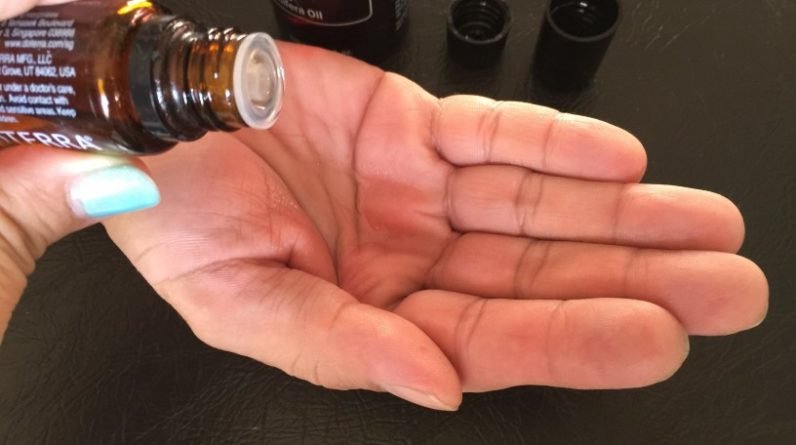
Dilution means blending your essential oils with a neutral, “base” oil—called a carrier oil (like jojoba or coconut). This stretching process helps the essential oil apply smoothly, disperse safely, and avoid any surprise adverse reaction. Remember: undiluted essential oil is for diffusers, not skin. For anything topical, a chart and a measured approach are non-negotiable.
Quick Checklist: 5 Rules for Essential Oil Dilution
- Always dilute essential oils before skin contact
- Choose the right carrier oils for each use
- Patch test every new blend
- Keep kids, pets, and sensitive individuals in mind
- Check for contraindications (pregnancy, medications, conditions)
“When in doubt, dilute more—not less.”
The safest approach to diluting essential oils is treating each new oil, blend, or skin type with caution and care. Even if a friend handles full-strength peppermint effortlessly, you might encounter an adverse reaction with undiluted use—children and pets are especially sensitive. Always check your dilution chart, use the right carrier oil, perform a patch test, and consult with a professional if you’re uncertain. Remember: An ounce of prevention means more soothing rituals and fewer skin woes.
The Essential Oil Dilution Chart: Safe Ratios at a Glance
| Application | Essential Oil % | Drops per 1 oz Carrier Oil |
|---|---|---|
| Daily face use | 0.25–1% | 1–3 |
| Body massage/oil | 1–2% | 6–12 |
| Targeted/spot use | 3–5% | 15–30 |
| Room spray/diffuser | Up to 5% | 15–30 |
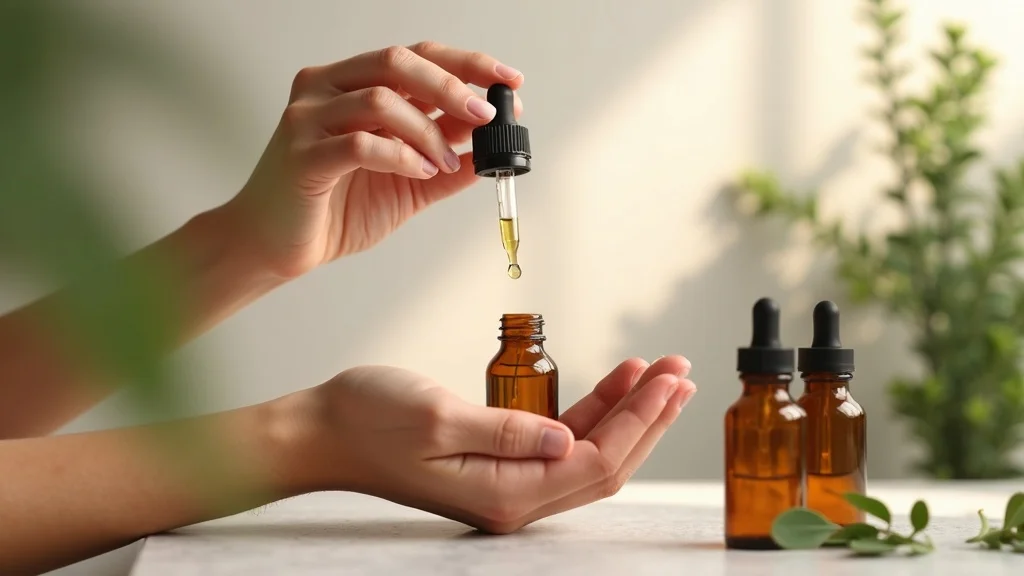
This chart is your quick reference for any essential oil project. Whether targeting a skin spot, blending a relaxing body oil, or freshening the air, use these percentages and drop counts as your guide.
How to Calculate Your Essential Oil Dilution Rate (Step-by-Step)
- Know your target dilution percentage (reference the chart)
- Measure your carrier oil
- Count drops of essential oils based on your ratio
- Mix and label your blend for easy reference
Blending the perfect essential oil dilution is simple math. Let’s break it down:
First, decide your target dilution rate based on intended use (see chart above). Second, measure your carrier oil: most rollers use 10ml, bottles 30ml, and spritzers usually 30–60ml. Next, count the drops of essential oil according to the chart below. Finally, mix well and label—this keeps your apothecary organized and ready for safe, repeatable blends.
| Dilution % | 10ml Roller (drops) | 30ml Bottle (drops) |
|---|---|---|
| 0.5% | 1 | 3–4 |
| 1% | 2 | 6–9 |
| 2% | 4 | 12–18 |
Remember—always double-check your math against a reputable essential oil dilution chart for every blend and adjust downward for children, sensitive skin, or pregnancy.
Choosing Carrier Oils: The Foundation of Any Essential Oil Dilution Chart
- Best carrier oils for roll-ons, body oils, and sprays
- Why viscosity, scent, and skin type matter
- Popular choices: fractionated coconut, sweet almond, jojoba, grapeseed
“Your carrier oil is more than a mixer—it sets the tone for your entire blend.”
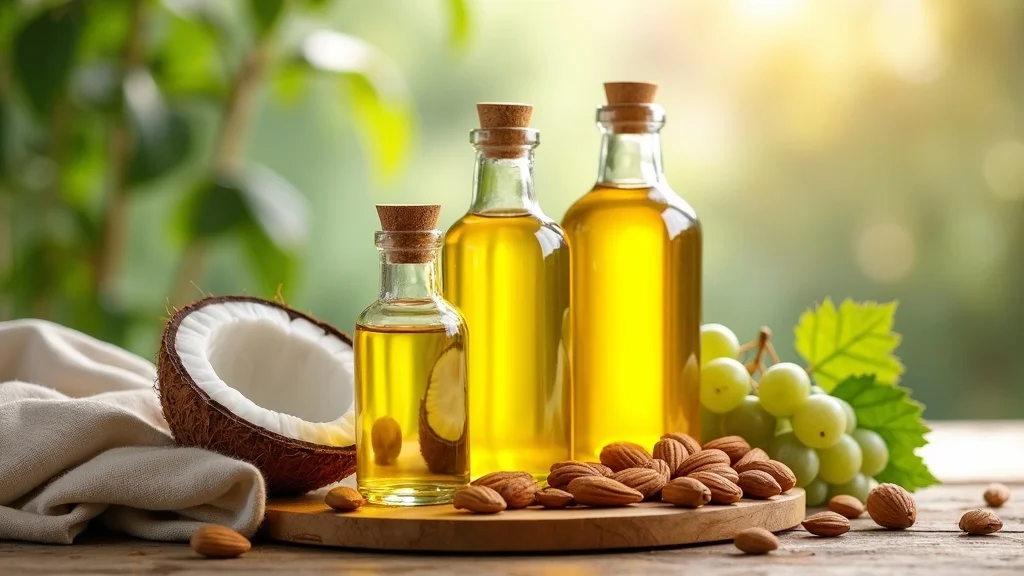
The right carrier oil is the unsung hero in your essential oil routine. This “base” oil carries the highly concentrated essential oils into your skin, protecting and nourishing in the process. Picking the best carrier oils depends on the blend’s purpose and personal preference. For roll-ons and facial blends, jojoba—naturally close to skin’s own sebum—is lightweight and non-comedogenic. For body massage, sweet almond and grapeseed are favorites for their silky, fast-absorbing qualities. For room sprays or quick blends, fractionated coconut adds a neutral base with excellent shelf life.
Consider skin sensitivity (jojoba for delicate skin, grapeseed for oily types), scent (unrefined oils can carry a noticeable aroma), and viscosity (do you want your oil blend light or rich?)
Roll-Ons, Body Oils, and Room Sprays: Essential Oil Dilution Chart by Use
Roll-On Essential Oil Dilution Guide
- Typical dilution: 1–2% (see table for drops per ml)
- Special notes: Use glass roller bottles, label blends
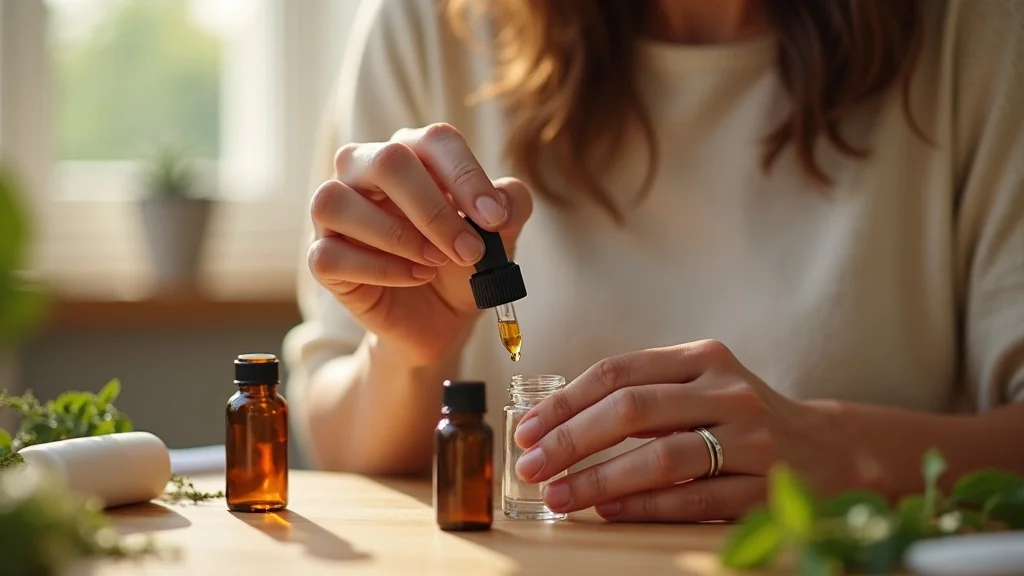
Roll-on blends are a modern apothecary staple—perfect for targeted relief and simple rituals on the go. Aim for a 1–2% dilution rate using your essential oil dilution chart, which is roughly 2–4 drops of essential oil per 10ml carrier oil. Be sure to use glass roller bottles (essential oils can degrade plastic) and always label with oil type, date, and percentage. Roll-ons make it easy to adopt safe, measured routines and avoid the pitfalls of overuse.
Body Oil Dilution Rate Essentials
- Recommended: 1–2% for adults, lower for sensitive groups
- Best carrier oils for body oils (e.g., sweet almond, jojoba)
When making a nourishing body oil, stick to a 1–2% dilution for adults, reducing to 0.5–1% for kids, elderly, or sensitive skin. Sweet almond, jojoba, and grapeseed carriers deliver silky, hydrating blends. Always start low, patch test, and build up only if there’s no reaction. These body oils are mild enough for daily use but potent enough to deliver the plant-powered benefits of your favorite essential oils.
Room Spray and Diffuser Essential Oil Dilution Chart
- Up to 5% dilution for room sprays
- Never apply sprays directly to skin or around pets
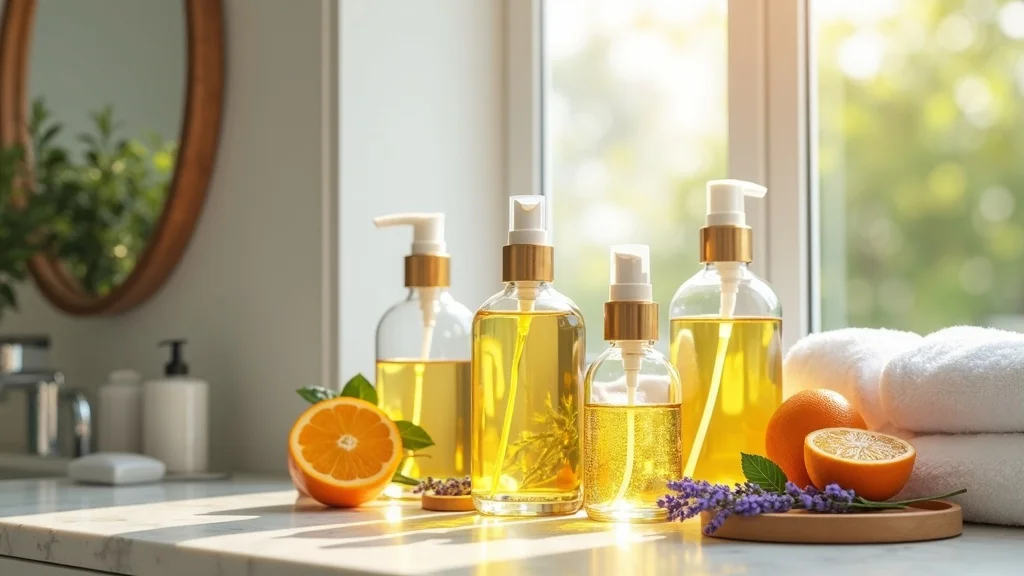
Room sprays and diffuser blends offer uplifting aroma without direct skin contact, allowing slightly higher concentrations—up to 5%, according to your dilution chart. To create, combine essential oil and distilled water (plus a bit of high-proof alcohol if you want lasting scent). Never spray directly onto your skin, soft furnishings, or near children and pets, as these oil blends are highly concentrated.
Popular Essential Oil Dilution Chart Blends & Recipes
- Relax roll-on: Lavender, orange, and carrier oil blend
- Energize body oil: Peppermint, rosemary, vegan carrier oil
- Freshen-up room spray: Lemon, tea tree, filtered water
Need inspiration? Try these apothecary-tested recipes:
- Relax Roll-On – 2 drops lavender, 1 drop orange, 10ml jojoba (1% dilution): Blend and roll onto wrists before bed.
- Energize Body Oil – 6 drops peppermint, 6 drops rosemary, 60ml grapeseed (2% dilution): Use for invigorating morning massages.
- Freshen-Up Room Spray – 10 drops lemon, 5 drops tea tree, 60ml distilled water: Shake well, spritz in the air for a burst of clean scent.
Always check your dilution and choose the best carrier oil for your skin type.
Common Mistakes: What to Avoid When Using an Essential Oil Dilution Chart
- Guessing measurements instead of using an essential oil dilution chart
- Using too much essential oil in blends
- Skipping the patch test
- Bad storage leading to oxidation/irritation
“One drop makes a difference—precision matters in modern apothecary routines.”
The top mistake? Measuring by “feel” instead of a chart
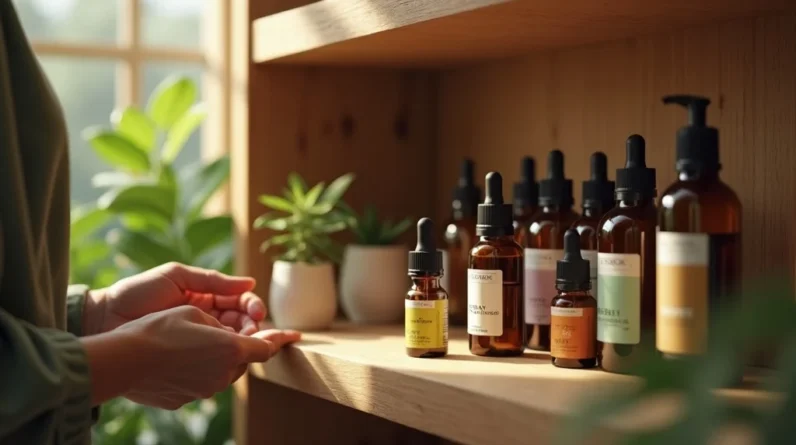
Proper Storage and Labeling for Your Oil Blends
- Store all essential oil blends in dark glass containers
- Label each blend with oil type, dilution rate, and date
- Keep away from heat, light, and children/pets
Your apothecary will always be ready—no more “Which oil is this?” questions!
Essential Oil Dilution Chart: Printable and Downloadable Tools
- Free printable charts for common blend sizes
- Apps and calculators for on-the-go dilution
- Checklist to hang near your blend station
Create your own modern, cozy apothecary at home. Download printable dilution charts, blend calculators, or place a laminated checklist next to your supplies for easy, spill-proof access every time.
People Also Ask: Common Essential Oil Dilution Questions
What is the best dilution for essential oils?
It depends on the use and user. For adults, 1% dilution (2 drops per 10ml carrier oil) is ideal for daily facial care, and 1–2% (6–12 drops per 30ml carrier) for body oils. Sensitive groups require lower ratios. Start small, patch test, and consult the chart for specific applications.
What is the 20 30 50 rule for essential oils?
The “20 30 50 rule” typically refers to perfume blending (not topical dilution)—using 20% top notes, 30% middle notes, and 50% base notes for balanced scent structure. For topical oils, always follow an essential oil dilution chart for safe skin application.
Which essential oils should you not mix together?
Avoid mixing oils that may cause skin sensitization or contradictions, such as strong spice (e.g., cinnamon, clove) with citrus (e.g., lemon, bergamot). Always research safety, consider allergies, and check for medical contraindications (pregnancy, epilepsy, etc.) before blending.
What is the 50 30 20 rule in perfume?
Similar to the above, this perfume guideline structures blends for lasting aroma: 50% base, 30% heart, and 20% top notes. For skin safety, stick to essential oil dilution rates—not perfume ratios—when creating topical formulas.
FAQs: Essential Oil Dilution Chart
- Can I use essential oils undiluted?
No—for topical applications, always dilute essential oils with a carrier oil to prevent irritation and adverse reactions. Only undiluted oils in a diffuser or air spray are appropriate. - How do I know my dilution rate is safe?
Reference a trusted essential oil dilution chart, adjust for sensitivity, and perform a patch test before broader use. - What’s the best carrier oil for sensitive skin?
Jojoba or fractionated coconut oil—both are hypoallergenic, gentle, and quickly absorbed. - Why do I have to dilute essential oils?
Because essential oils are highly concentrated! Diluting protects your skin and provides consistent, effective results. - How long do diluted oil blends last?
Typically 3–6 months if stored in dark glass, away from heat and light. Citrus oils shorten shelf life; always check for fresh scent and appearance.
Key Takeaways: Essential Oil Dilution Chart for Everyday Use
- Always reference a reliable essential oil dilution chart
- Customize blends for roll-ons, body oils, and room sprays based on safe dilution rates
- Never skip carrier oils—these are as vital as the essential oils themselves
- Label everything and store oil blends safely
- When in doubt, go lower in dilution and patch test first
Ready to Blend? Download Your Essential Oil Dilution Chart & Try a Simple Recipe Today
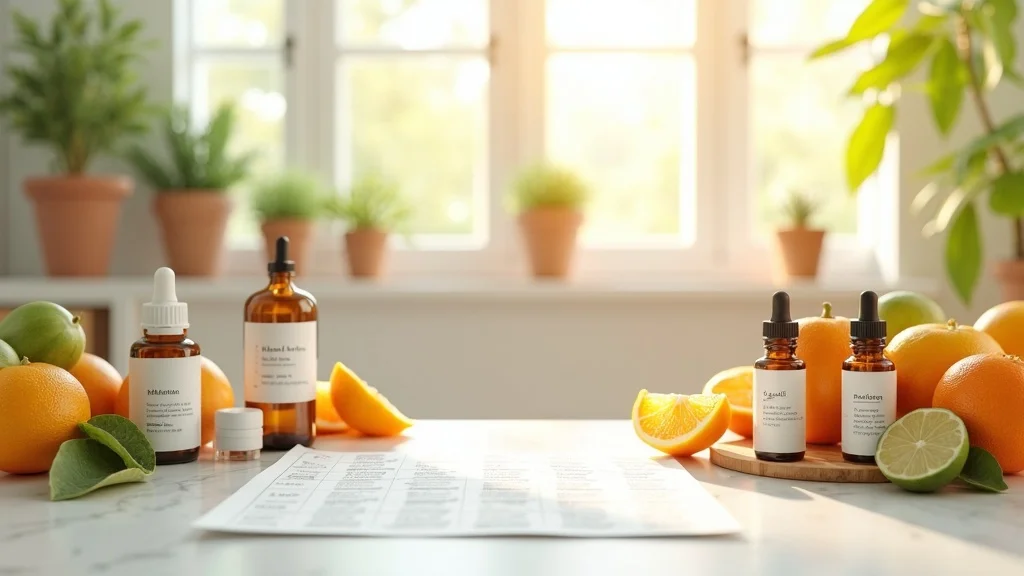
Your modern apothecary doesn’t have to be overwhelming! Start with a clear dilution chart, reliable carrier oils, and a labeled shelf. Download your free essential oil dilution chart, print a copy for your blending station, and try a simple roll-on or body oil recipe today. Remember: safety first (never ingest, always dilute, patch test new blends, be extra cautious with kids, pregnancy, and pets, and consult a medical or certified aromatherapist if unsure).