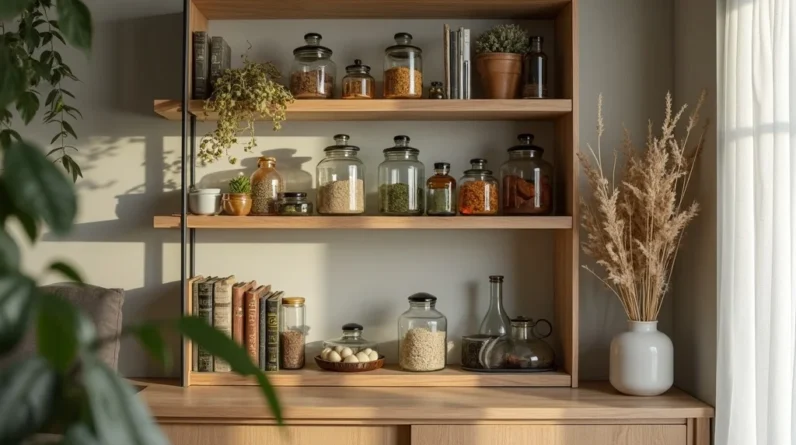


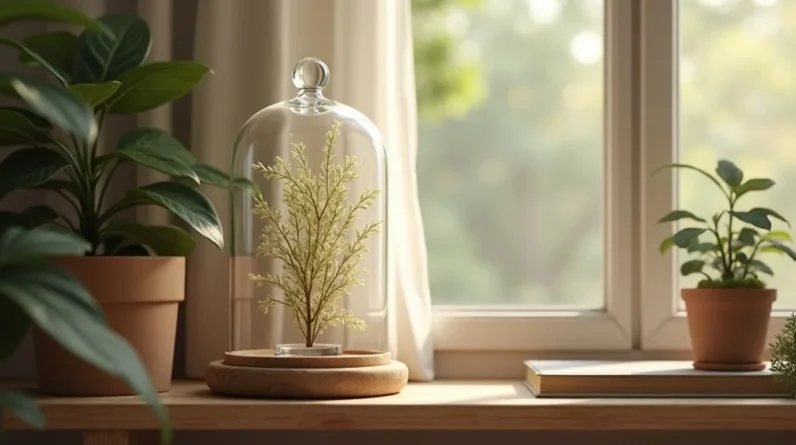
Did you know? According to a recent interiors survey, homes with styled shelf vignettes—especially those featuring a cloche display—see a 32% spike in visitor admiration and social shares
What You’ll Learn About Cloche Display Ideas and Glass Dome Vignettes
- Quick definitions of cloche display, bell jar, and glass dome
- How to identify authentic glass cloches for home decor
- 15 creative cloche display ideas for both beginner and advanced collectors
- Practical styling tips to avoid clutter and create collected, not cluttered, shelves
- Red flags when buying cloche domes, including cleaning and safety advice
- Real examples: botanical, gothic, medical, and dark academia-inspired cloche display themes
A Shelf’s Secret: Why Cloche Displays Capture Imagination
“The magic of a cloche display lies in its ability to turn the ordinary into the extraordinary — displaying cherished finds beneath glass domes invites viewers to pause and wonder.”
- An introduction spotlighting the enduring appeal of a well-curated bell jar or glass cloche
- The difference between clutter and curation: How a glass dome elevates everyday objects
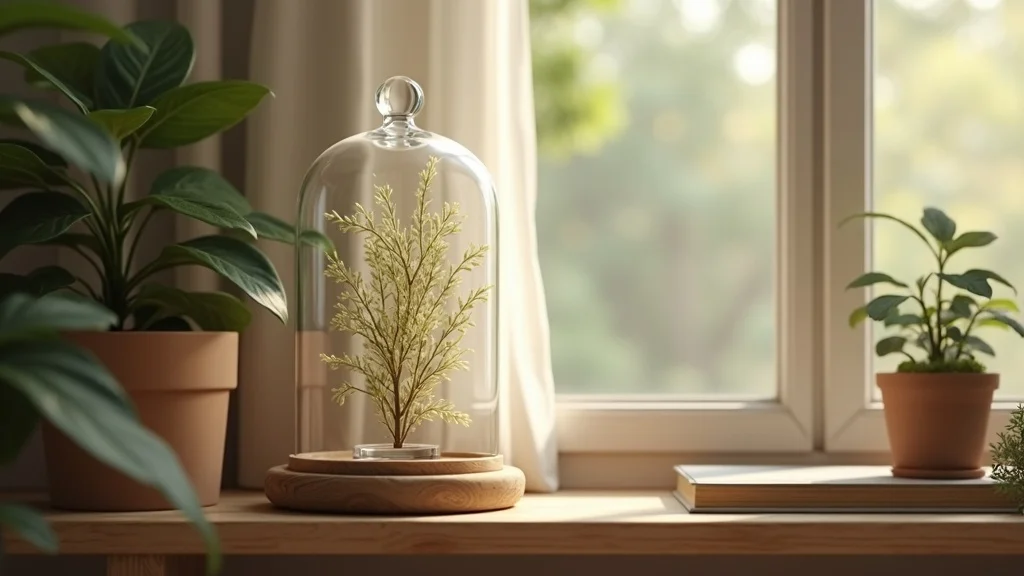
There’s an unmistakable fascination with glass domes and bell jars: they echo the romance of discovery, recalling antique curiosity cabinets and Victorian study shelves. Unlike open shelving, a cloche display frames and protects, transforming even a simple found object—a feather, a shell, a book fragment—into something worthy of close inspection. The border between clutter and curation is clear here. Where things are left scattered, a shelf becomes busy; but when one or two treasures rest under a glass cloche dome, the eye is gently drawn, and the story feels intentional. If you crave that “collected, not cluttered” look, you’re on the right path.
Quick Definitions: Cloche Display, Glass Dome, Bell Jar, and Their Roles in Home Decor
| Term | Origins | Main Material | Best Use Case |
|---|---|---|---|
| Glass Dome | 18th-century France & England | Clear glass, round-top | Showcasing collectibles, botanicals, or art objects |
| Bell Jar | Scientific & Victorian era | Thicker glass, domed bell shape | Protecting specimens, antique vignettes, or scientific curiosities |
| Glass Cloche | French kitchen gardens | Clear glass, sometimes ribbed | Covering plants or pastries, now also used in displays |
| Display Cover | Modern adaptation | Glass (sometimes acrylic) | Home decor, protection and viewing of collectibles |
- What qualifies as a cloche dome versus a glass bell
- Clear glass, glass cloche dome, and vintage bell jar styles
- When to choose a glass dome over a display cover
Before shopping for glass cloches, it helps to know the difference. A classic glass dome is typically seamless and gently rounded, suited to both modern and traditional home decor. A bell jar is slightly more scientific in its silhouette—think chemistry lab meets library. If you want pure clarity for showcasing delicate objects, opt for a clear glass cloche. Thicker, vintage bell jars make sturdier protectors but may weigh more or have small bubbles that add character. When buying online (Etsy sellers often offer both), check dimensions—sizes to choose range widely. Prefer a display cover for cost-effective protection where full transparency isn’t essential, but for that authentic, museum-style look, a genuine glass cloche dome always wins.
What to Look for in a Cloche Display: Collector’s Checklist
- Quality of clear glass cloche or glass domes—how to spot flaws
- Stability, size, and display safety for home decor
- Authenticity checks: glass bell jar details vs. reproductions
- Preservation tips for both vintage and modern bell jars
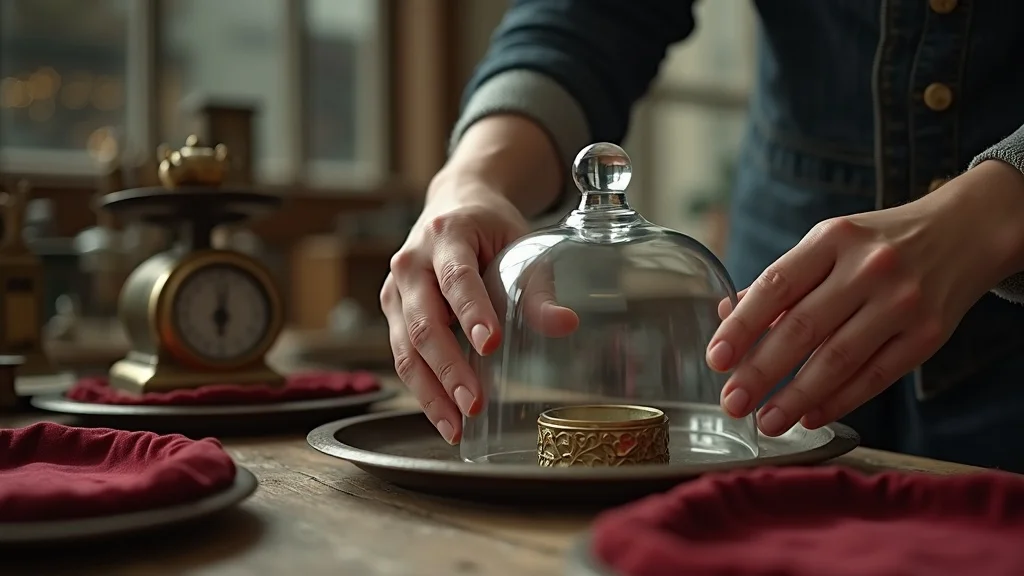
Not all glass domes are created equal. For your cloche display to stand out and last, inspect a few key features before buying. Quality domes have uniform clarity, sturdy bases, and tight fits. Hold a clear glass cloche to the light: true vintage domes often reveal small “seeds”—tiny air bubbles or ripples, which show age but should never compromise stability. Check the rim and base for chips or cloudiness, especially with older glass bell jars. Steer clear of glues or adhesives that hide cracks. Display safety means a stable base—avoid stands or trays that can wobble. If buying from an Etsy seller or online dealer, always ask for close-up photos and descriptions of prior use. Remember, even modern cloches benefit from regular, gentle cleaning and a cool, dry environment—sunlight and high humidity are the enemies of both the glass and the treasures inside.
15 Curiosity Exhibit Cloche Display Ideas: Glass Dome Inspiration for Every Collector
- Victorian Study Specimens — insects, feathers, and dried leaves under a glass dome
- Moonlit Botanicals — pressed flowers in a clear glass cloche
- Nautical Relics — shells and mini compasses inside a bell jar
- Apothecary Vignettes — potion bottles and vintage labels beneath glass cloches
- Modern Gothic Corners — bones or natural curiosities in a well-lit cloche dome
- Tiny Library – miniature books as centerpiece under a glass cloche dome
- Laboratory Glassware — test tubes beneath an archival-inspired display cover
- Heritage Jewelry — a single antique piece showcased in a glass bell jar
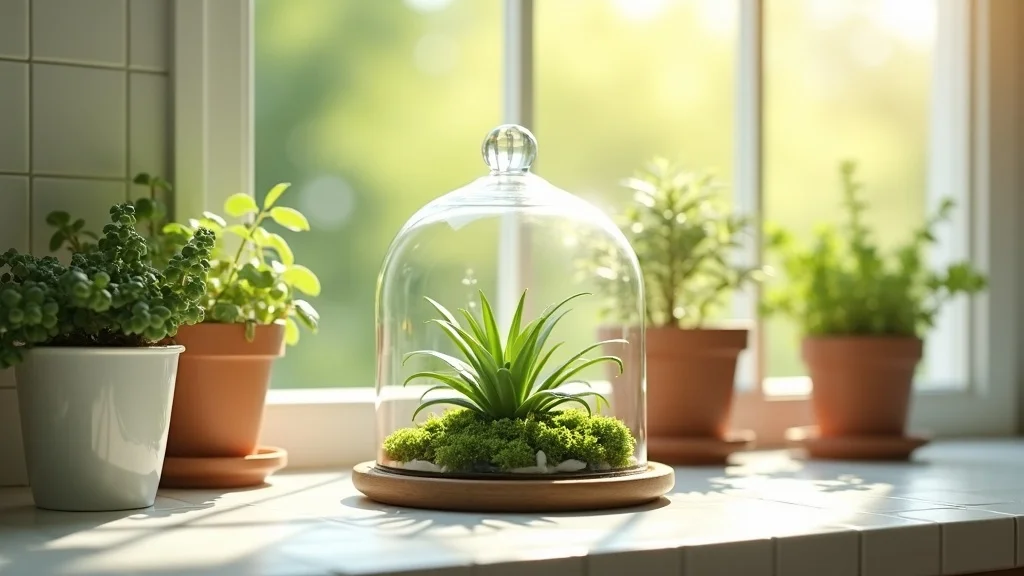
- Mini Terrarium — moss and small plants in a glass dome (see plant cloche safety notes)
- Lunar Artifacts — crystals and lunar maps under a bell jar
- Family Heirlooms — memorabilia elevated inside a glass dome
- Miniature Sculptures — artist’s creations protected in a clear glass cloche
- Witchy but Everyday — subtle occult cues, like sealed vials, stored in glass cloches
- Curated Keys & Trinkets — keepsakes neatly arranged below a glass cloche dome
- Seasonal Vignettes — rotating collectibles in bell jars for holidays or milestones
“It’s not about quantity — a single well-placed item in a glass dome tells its own story.”
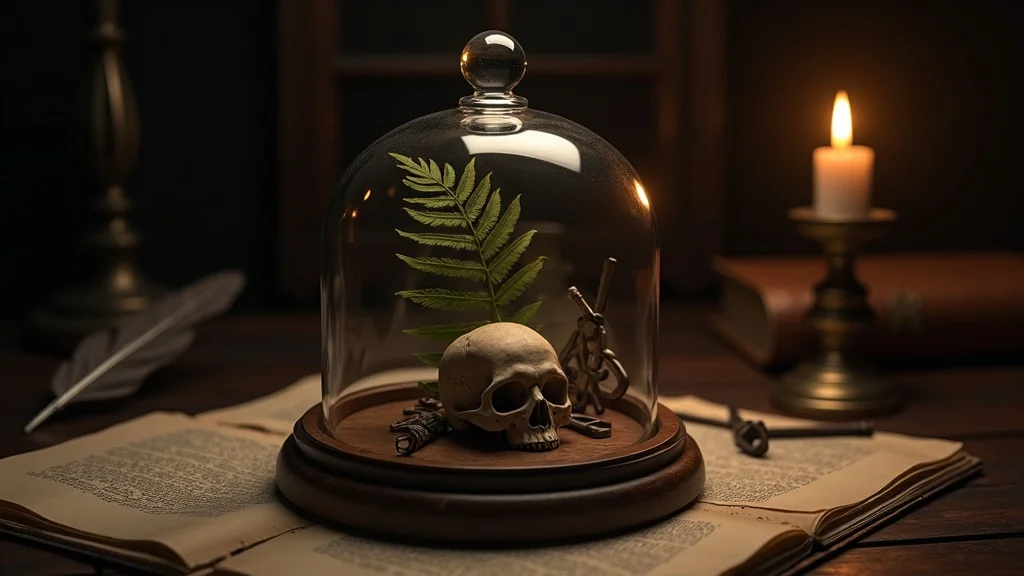
A carefully chosen cloche display isn’t just about preservation—it’s storytelling under glass. Whether you lean botanical, gothic, or nautical, remember that a glass dome magnifies even a modest relic. Start your display with a single specimen or theme (pressed flowers for a soft, romantic effect; bones and artifacts for a modern gothic edge; potion bottles for a subtle “witchy but everyday” twist). Keep your cabinet of curiosities collected and not cluttered by focusing on restraint: let one showstopper—be it a mini terrarium, a tiny lunar map, or an heirloom locket—breathe beneath its dome. Seasonal swaps (mini pumpkins for autumn, tiny ornaments for the holidays) keep your bell jars fresh all year.
Common Mistakes and Styling Pitfalls with Cloche Displays
- Overcrowding your glass dome: the ‘collected’ not ‘cluttered’ philosophy
- Mislabeling vs. authentic labeling on glass cloche displays
- Display cover placement tips to avoid accidents
- Avoiding moisture traps in plant and specimen bell jars
Even the most beautiful glass bell jar can lose its magic when overloaded. One common mistake is trying to squeeze too many items beneath a single cloche dome. Instead, curate a story: use archival labels or tiny placards for context, but avoid loud tags that dominate the view. Always set your glass cloche on a stable surface, away from direct sunlight or wobbly stands—accidents happen when curiosity meets instability! For live displays (like mini terrariums or real botanicals), condensation is your enemy. Only place thoroughly dry plant material in your plant cloche, and ventilate regularly to prevent mold. Thoughtful restraint and a focus on storytelling make every glass dome a window into wonder, not chaos.
The Simple Cloche Display Styling Formula: Repeatable Steps
- Foundation: Choose your best glass dome or bell jar
- Focus: Limit to one statement piece per cloche dome for balance
- Frame: Use minimal props, labels, or archival-style supports
- Finish: Place glass cloche away from direct light and secure each item
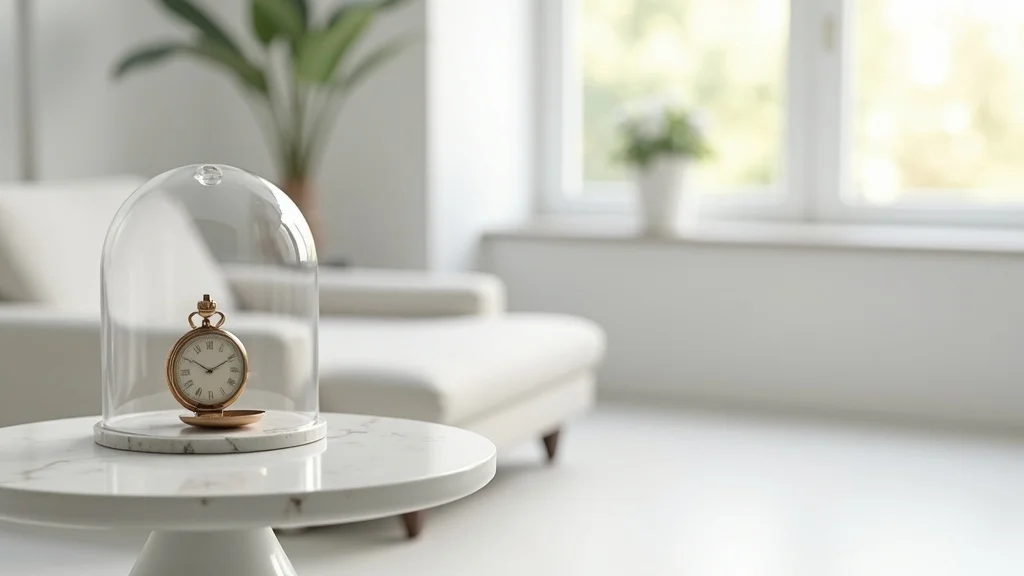
For a truly collected, not cluttered shelf, follow this four-step formula. First, select the right glass dome: clear, stable, and fitting your object’s size. Then, make one standout object your focus—a pocket watch, a rare feather, a tiny book. Keep surrounding props to a minimum: think of a subtle archival label or a muted stand. Finally, position the cloche display securely, avoiding surfaces exposed to harsh light or busy pathways. This method, inspired by museum and apothecary traditions, lets your objects become tiny exhibits—each glass cloche dome their own spotlighted stage.
Expert Advice: Safe Cleaning, Display Care, and Avoiding Scams When Buying Glass Cloches
- Red flags for repro versus genuine vintage glass bell jars
- Cleaning tips to avoid etching/cracking glass domes
- Storage and display safety — handling with care, avoiding sunlight
“Always ask sellers for close-up photos of the base and dome. Authentic glass cloche domes will show gentle wear but no deep scratches or glue residue.”
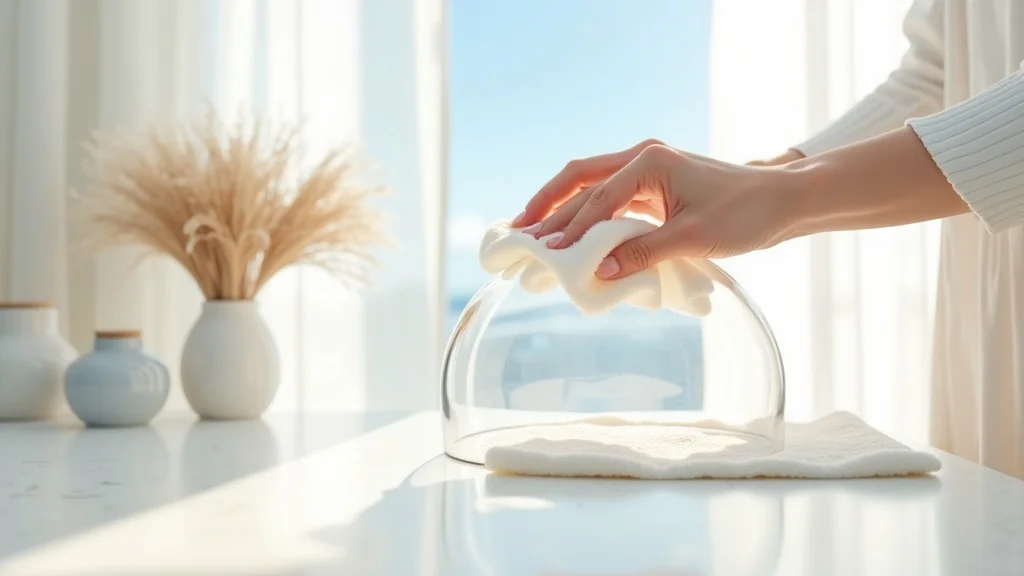
The vintage bell jar marketplace is booming—but so are reproductions. Beware of cheap “vintage” domes with obvious mold lines, glued feet, or suspiciously new hardware. Authentic glass cloches often show soft, genuine wear on the rim but never deep chips, wild scratches, or glue stains. For cleaning, skip harsh chemicals and abrasive pads; instead, use a lint-free cloth, gentle glass cleaner, or plain warm soapy water. Dry thoroughly and polish with a soft towel to avoid streaks. Never store glass domes in full sun or humid spaces, as even the most robust cloche can develop cracks or cloudiness over time. And, whether buying in person or online, transparency from your seller is key: a good Etsy seller will provide large, clear photos and answer all condition questions before you commit.
People Also Ask: Cloche Display Insights
What is the point of a cloche?
- Cloches protect and highlight special objects. Using a glass dome or bell jar directs focus and preserves delicate items—from feathers to medals—while elevating them as display art in your home decor.
What to display in a cloche?
- Nearly anything! Cloche displays—including glass domes, bell jars, and glass cloche domes—are perfect for curating botanicals, jewelry, keepsakes, seasonal finds, and more. The trick is intention and restraint: let each item breathe beneath glass.
Are plant cloches worth it?
- Yes—plant cloches (especially clear glass cloches or cloche domes) balance function with beauty, enabling you to house miniature gardens or moss. But manage moisture to prevent mold, and always open the dome for airing if condensation appears.
What is a cloche dome?
- A cloche dome—often called a glass dome or bell jar—is a clear-glass covering with a rounded top, originally made for gardening and now beloved in home decor for stylized, museum-style displays.
FAQs About Glass Domes and Cloche Displays
- Which cloche dome sizes work best for small vs. large objects? — Small domes suit single items like rings or pins, while large glass domes are ideal for grouped displays or taller keepsakes. Always measure before buying.
- Should I use a glass bell jar, glass cloche, or a display cover for archival objects? — For true archival needs, opt for genuine glass bell jars or glass cloches with secure bases. Acrylic or plastic covers offer cost-effective protection for non-fragile items.
- Tips for combining glass domes and bell jars on one shelf theme? — Unify with a common thread (color, label style, or subject). Vary heights but echo materials for harmony.
- Where to buy authentic glass cloches and vintage bell jars online? — Search reputable Etsy sellers or vintage marketplaces. Read reviews, request close-up images, and verify the authenticity before investing.
Key Takeaways for Creating a Stunning Cloche Display
- Showcase fewer, better: Every cloche dome tells a story.
- Use authentic glass domes and bell jars for safe, ethical home decor.
- Distinguish between clutter and curation—let each item breathe beneath the glass.
- Practice display safety and gentle cleaning for longevity.
Start Your Own ‘Tiny Exhibit’: Save This Cloche Display Checklist
- Ready to curate your first glass dome vignette or expand your cabinet of curiosities? Save this guide and explore more cloche display ideas to begin your collected, not cluttered, adventure.
Begin your own curiosity shelf—one cloche display at a time!