

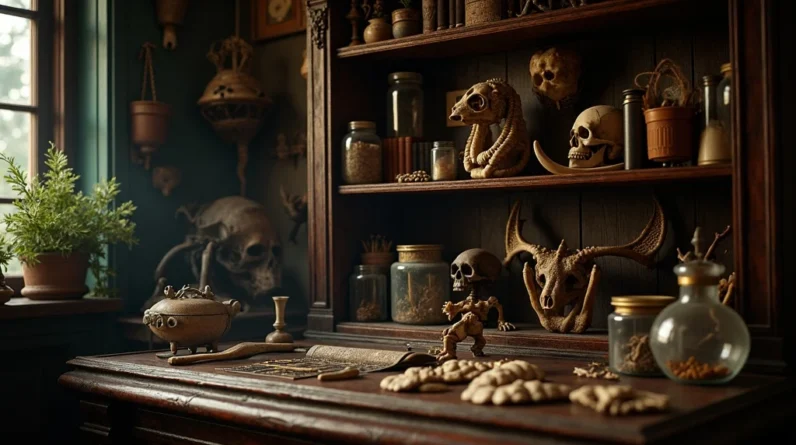
On every shelf of oddities and curiosities, your choice is a peek into the shadows—a story worth displaying, not hiding.
Ready to unlock a world of strange beauty without falling into the common traps? Let’s shine a flashlight on the art of collecting—with just the right amount of curiosity and care
What You’ll Learn in This Guide
- Essential starter items for oddities and curiosities beginners
- Quick shopping checklist to ensure safety and ethics
- How to style a shelf like a mini museum—modern gothic to witchy, not cluttered
Start Here: What Are Oddities and Curiosities? Quick Definitions for Lovers of the Strange
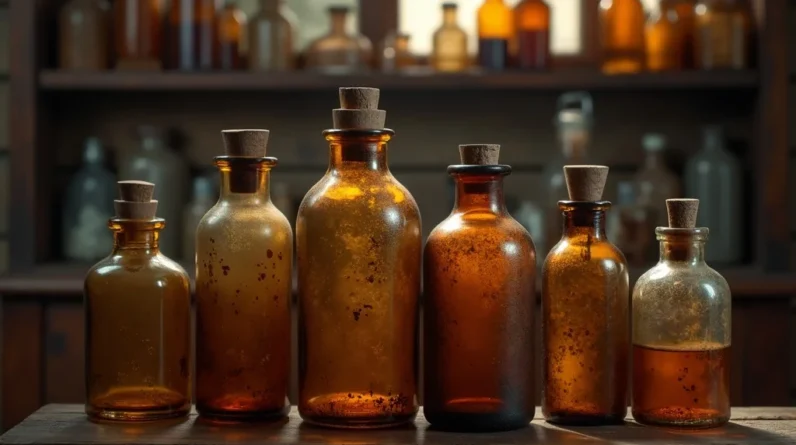
Whether you’re attending the largest traveling oddities event or browsing local markets, understanding what qualifies as an oddity is the crucial first step for any collector. At its core, oddities and curiosities refers to objects that are rare, unusual, or historically significant, often combining elements of medical science, natural history, and eccentric art. Think: glass jars of preserved specimens, bones polished to a sheen, taxidermy animals artfully posed, and one-of-a-kind artifacts that bring stories from the fringe to your shelf. The curiosities expo and similar events showcase handcrafted oddities, vintage bottles, and curated vendors specializing in ethical finds, bringing together lovers of the strange for networking, shopping, and education.
The origins of collecting curiosities trace back to “cabinets of wonder” popular among Renaissance scholars, physicians, and adventurous travelers—think of these as the world’s first DIY museums, packed with everything from unusual rocks and beetles to puzzle boxes and arcane medical devices. Today, event showcasing has grown to feature dozens of expos nationwide, with live performances, main stage lectures, and a vibrant market atmosphere. Each piece—whether it’s a Victorian apothecary bottle or a modern, ethically-sourced butterfly—adds a layer of narrative to your collection, ensuring even beginners with just a clear bag and a curiosity can find items worth treasuring.
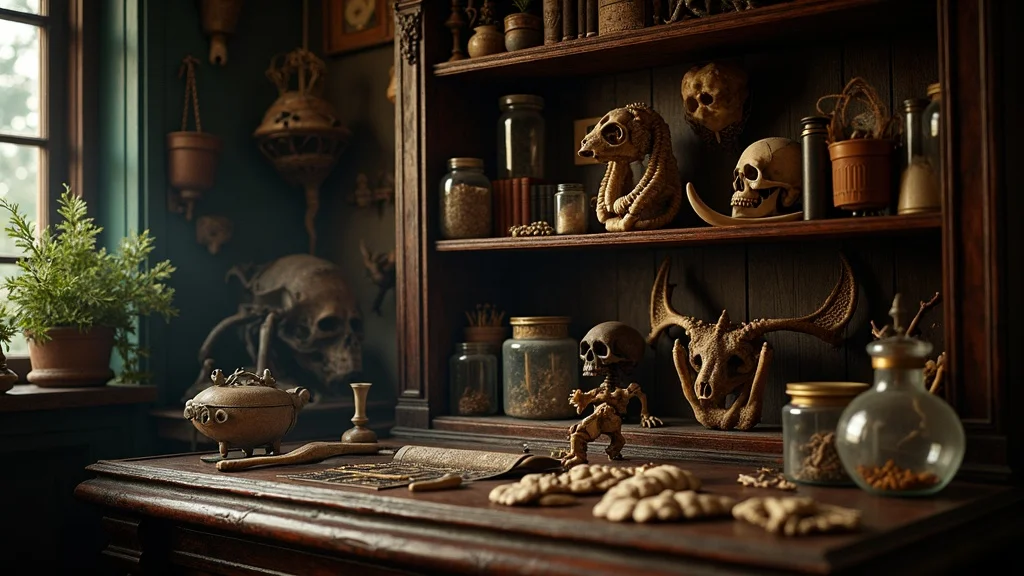
- Definition and History: Collecting oddities began as “cabinets of curiosity” in Renaissance Europe, blending science and storytelling.
- What qualifies as a curiosity: Items must be both rare and compelling—like preserved animals, mysterious jars, medical devices, or artifacts that defy easy categorization.
- Modern expos: Today’s curiosities expos feature curated vendors, dazzling displays, and even sideshow performers—an immersive, bustling world for lovers of the strange.
Curating oddities and curiosities isn’t about clutter—it’s about collecting stories, not just things.
People Also Ask: What are oddities and curiosities?
Oddities and curiosities encompass unique, rare, or unusual objects—think bones, antique medical instruments, taxidermy, jars, vintage bottles, and artifacts that blend science, history, and art.
Beginner Collector Rules: What to Look For, What to Avoid, and How to Spot Red Flags at Curiosities Expo
Is that mounted butterfly ethically sourced? Are medical items decommissioned and legal? Most bona fide sellers will gladly share these details, often with certificates or clear signage at their booths
Physical safety and smart buying are next: items like bones and jars must be stored safely (keep away from children and pets), and always avoid pieces with visible mold or odd odors. At curiosities expos, security screening is common, and transparent bags may be preferred for quick inspection—don’t be surprised if you’re asked. Know your rights: reputable markets generally allow service animals inside the building, and most events are mindful of accessibility needs. Check the event website for entry policies, main stage highlights, and even where to reserve parking near the phoenix convention center or similar venues. Finally, begin with a “starter set”—choose affordable, authentic items like ethically sourced vertebrae, attractive glass bottles (not just odd jewelry or clothing), and a classic shadow box for display.
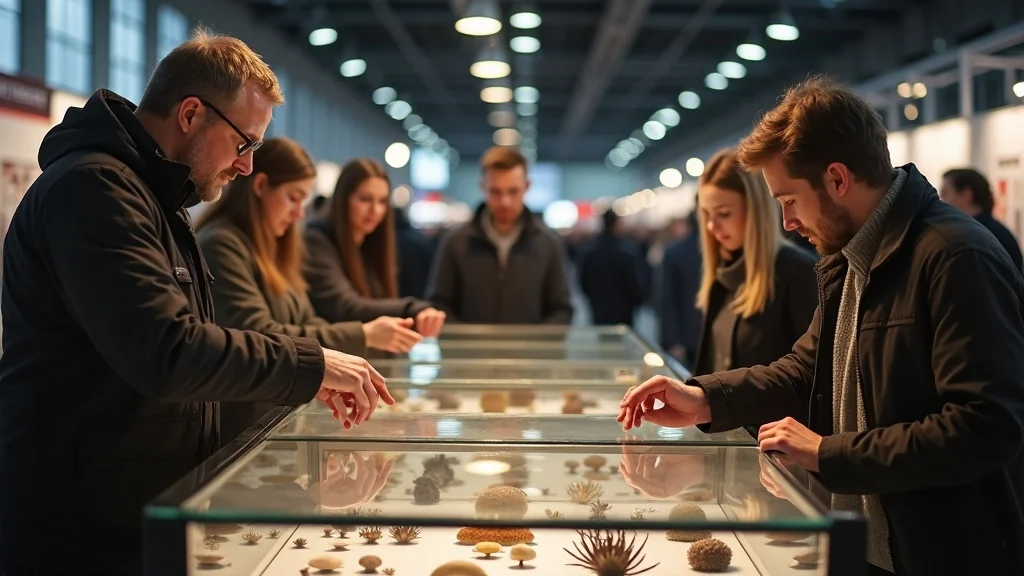
- Checklist: Authenticity, ethics, proper storage, display safety, provenance
- Watch for red flag signals: Vague or missing provenance, non-disclosure about animal origin, “antique” medical items with modern parts, or unwarranted high prices
- Tips for buying at expos: Use a clear bag for new finds, ask for certificates, photograph unusual arrangements for reference, look for vendors with established reputations
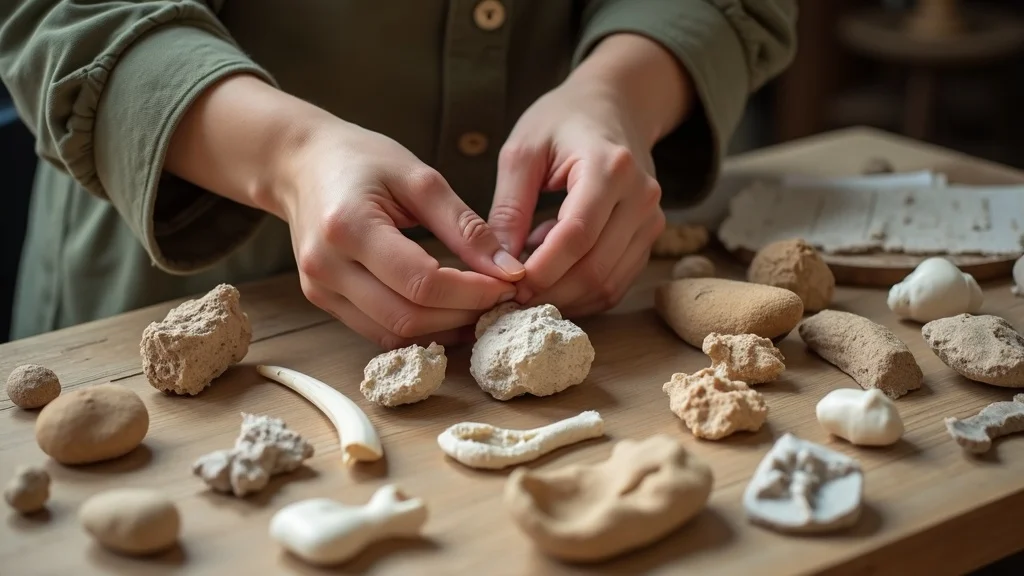
- Beginner starter set: Small bones, clean vintage bottles, dried botanical specimens, inexpensive cloches or domes for display
| Real Oddities | Reproduction Oddities | What to Inspect |
|---|---|---|
| Natural patina, legal paperwork, ethical sourcing notes | Artificial aging, “antique” claims, missing context/origin | Check labels, provenance, vendor reputation, look for certifications |
| Subtle wear, scientific labels, historic context | Bright colors, plastic/modern parts disguised as old | Consult experts at expos, ask about cleaning and care practices |
People Also Ask: Is the oddities and curiosities expo expensive?
Starter Themes and Styling Framework: Collected, Not Cluttered (Modern Gothic, Witchy, Academic & More)
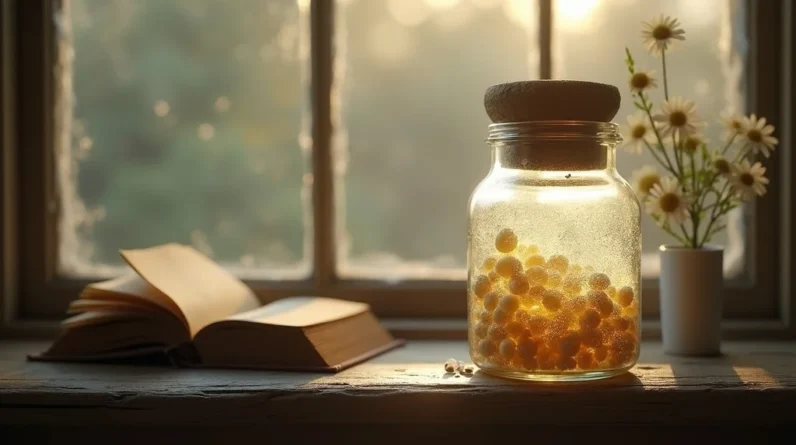
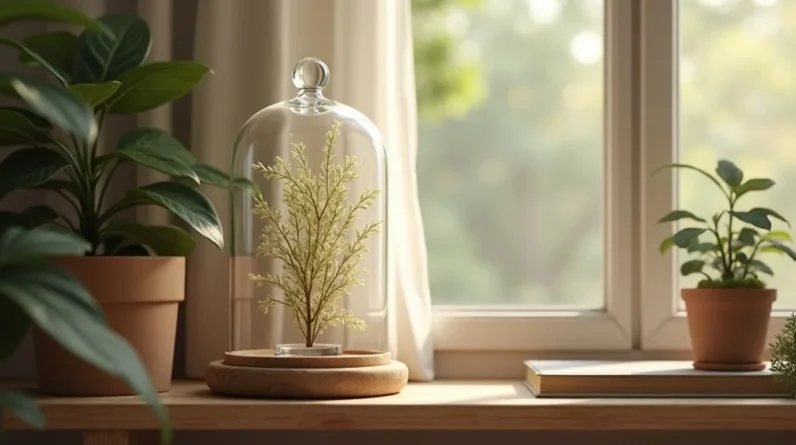
Building your first oddities and curiosities shelf doesn’t mean filling every inch with stuff. Instead, the best collections use a “collected, not cluttered” philosophy—where every item has space to breathe and every grouping tells a story. Start by choosing a theme that speaks to you: medical (think slender apothecary jars and vintage devices), botanical (dried botanicals under glass and pressed leaves), Victorian study (old books, scientific drawings), witchy (dried herbs, lunar stones), or dark academia (glass domes, ornate labels, black-and-brass accents).
Presentation transforms everything. Cluster jars and bottles of varying heights, using labels for both function and beauty (handwritten, tea-stained paper adds vintage flair). Cloches and glass domes turn small artifacts into focal points. For a museum upgrade, use soft accent lighting—clip-on bookshelf lights or warm LEDs—plus custom labels and sturdy black shelves for a clean, intentional look. Clean glass with a gentle vinegar solution, never harsh cleaners, and use natural props like pebbles or parchment beneath domes for extra depth. A well-curated collection looks harmonious—never chaotic.
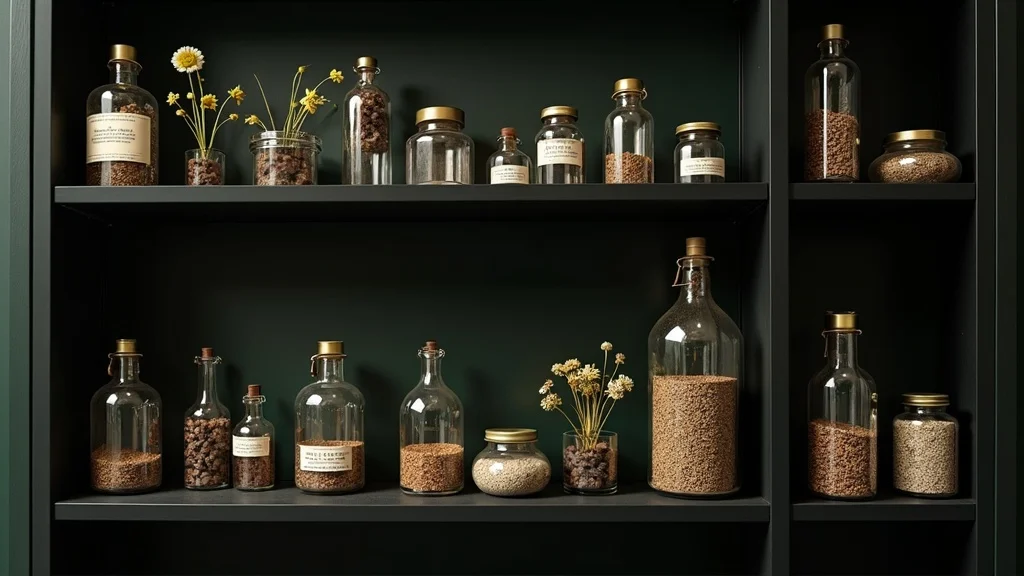
- Choose your collection theme: Medical, botanical, Victorian study, dark academia, witchy, nautical, lunar—let your interests guide you.
- Display with intention: Use jars, bottles, cloches, even old frames. Label everything attractively but clearly.
- Upgrade with museum-style touches: Accent lighting, well-spaced shelving, patina tricks, and descriptive tags elevate your display from hobbyist to curator.
“A well-curated collection of oddities and curiosities creates mood, not mess. Let your shelf breathe.”
People Also Ask: Is World Oddities Expo ok for kids?
Most expos are family-friendly but certain sections may contain mature content. Always check the event’s guidance.
Ethics, Authenticity, and Display Safety: Trust Cues for Lovers of the Strange
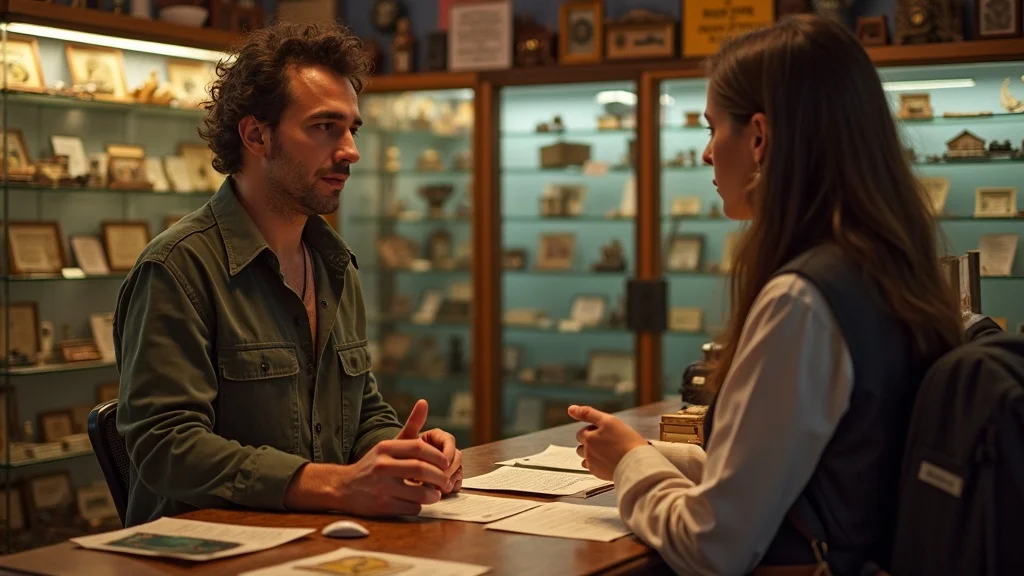
Trust is the foundation of ethical collecting—especially when items involve animal, botanical, or medical origins. At reputable curiosities expos and marketplaces, curated vendors display legal documentation, ethical sourcing certificates, and are transparent about how artifacts were obtained. If you’re unsure, ask the vendor directly about sourcing, permits, and legal compliance (especially for animal remains or rare botanicals). Items without proper labeling or provenance should be avoided, as laws vary widely.
Safe storage and cleaning are also vital. Always keep hazardous materials (preserved specimens, sharp objects) out of reach of children or pets. Use gloves when handling delicate artifacts, and never use harsh chemicals—gentle dusting or diluted vinegar is safest. Remember that good vendors are not just friendly—they’re proactive about your safety. Look for well-lit, organized booths with clear signage and staff willing to answer questions about each piece’s history.
- Verify sourcing ethics—ask for proof of legality or ethical harvesting, especially for animal/botanical items
- Ensure items have proper labeling and sellers comply with local/national regulations
- Care and safe cleaning: Never submerge antique items, avoid bleach or harsh abrasives, and inquire about correct handling or display guidelines
| Ask the Seller | Legal & Ethical Signs | Why It Matters |
|---|---|---|
| Where is this specimen from? | Clear documentation, import/export permit | Protects wildlife and supports transparent trade |
| How was it acquired? | Vendor is open, certificates on hand | Discourages poaching, unethical sourcing |
| Can you provide cleaning/care tips? | Steps for safe handling included | Prevents accidental damage or health risks |
People Also Ask: Is the oddities and curiosities expo ethical?
Reputable expos and vendors maintain strict sourcing and ethical guidelines. Always look for transparency about where items originate.
What You’ll Learn Before Your First Purchase
- Build a beginner’s “starter set”: small bones, vintage bottles, dried botanicals, inexpensive glass domes
- Follow a quick checklist for shopping safety: seek documentation, review vendor reputation, stick to clear labeling
- Quick styling: group objects by color or shape, use museum-like spacing, label as if for an exhibit
FAQs for Oddities and Curiosities Beginners
- Are oddities and curiosities legal to own?
Laws vary by region and item type. Ethically and legally sourced bones, taxidermy, or botanical specimens are generally permitted, but always check local regulations and obtain documentation when possible. - What’s the best way to label strange finds?
Use acid-free card stock or handwritten labels, noting the item’s origin, date, and any ethical source details. Avoid adhesives that can damage delicate surfaces. - Where can you find reputable sellers?
Seek out curiosities expos, local vintage shops, or vetted online stores recommended by enthusiasts. Check the event website or join collector groups for guidance and reviews.
Key Takeaways: Oddities and Curiosities, Collected Not Cluttered
- Choose a clear theme for your collection (medical, botanical, gothic, academic)
- Always research sellers and verify provenance before buying
- Prioritize display safety and ethics—let your collection tell a story, not just gather dust
If you’re building a cabinet vibe, browse our selection of oddities and curiosities for inspiration—or save this beginner’s checklist.
Ready to start your journey? Browse our curated oddities collection or download the beginner’s checklist to ensure your shelves are stories-in-the-making, not just clutter
Dive into the energy of a main stage oddities and curiosities expo with this walkthrough—get close to rare finds, live performances, and vendor stories to inspire your own collector journey.
Conclusion
Collecting oddities and curiosities offers a story-rich, ethical journey for the curious—begin with trust, style with intention, and let your collections delight, never overwhelm.