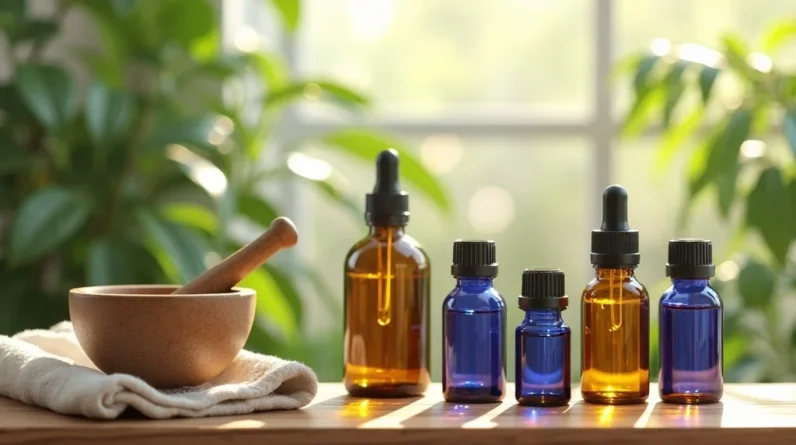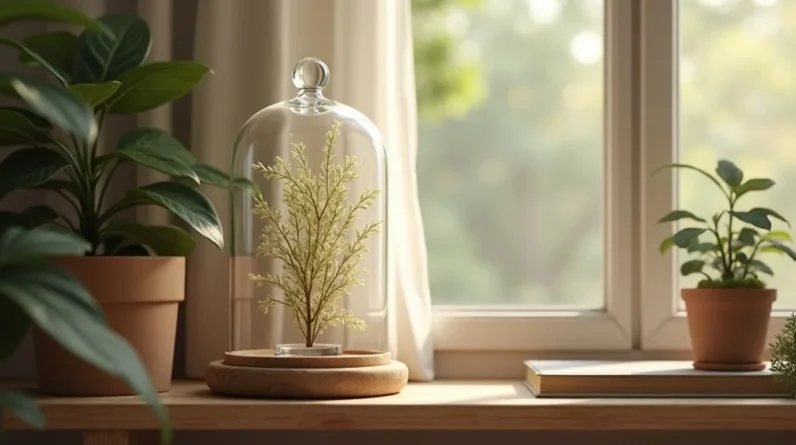


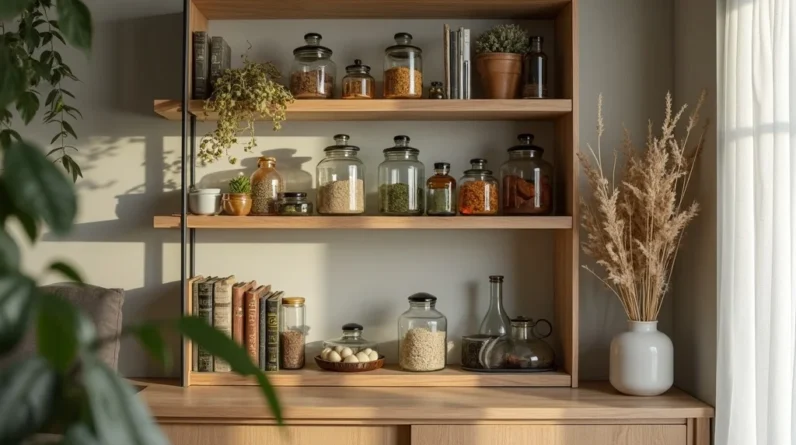
Did you know: Searches for “apothecary aesthetic” and “kitchen decor with vintage jars” have tripled in the past two years—a clear sign that this centuries-old style is finding new life on modern shelves. Imagine walking into your kitchen and finding it transformed into a tranquil, curated space—each jar telling its own story, each label hinting at a secret past. If you crave a vibe that’s collected, not cluttered, you’re in the perfect place. Welcome to the world of apothecary aesthetic.
What You’ll Learn About Apothecary Aesthetic, History, and Styling
- Quick definitions of the apothecary aesthetic and its roots
- How to spot authentic apothecary jars and bottle types
- Beginner’s checklist: starter set, red flags, and care tips
- Styling ideas: from modern gothic to botanical themes
- Key safety and authenticity cues for your kitchen decor or display
A Shelf, a Bottle, a Vibe: The Allure and Origins of Apothecary Aesthetic
Opening Scene: Discovering the Apothecary Aesthetic in a Modern Space
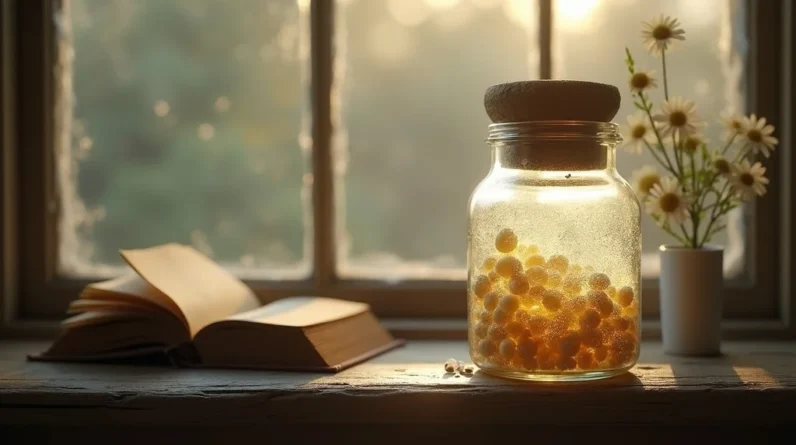
Step into a softly lit living room, where the shelf comes alive with a harmonious collection of glass jars, dried botanicals, and vintage bottles. The light catches on the facets of an antique jar, while a botanical sprig leans gracefully against a worn spine of an old book. This is the apothecary aesthetic—a vibe as much as a look, balancing the right kitchen decor with a sense of discovery one jar at a time. The appeal comes from more than just the objects; it’s how these relics of herbal apothecary history are arranged to tell a story, evoking both curiosity and calm.
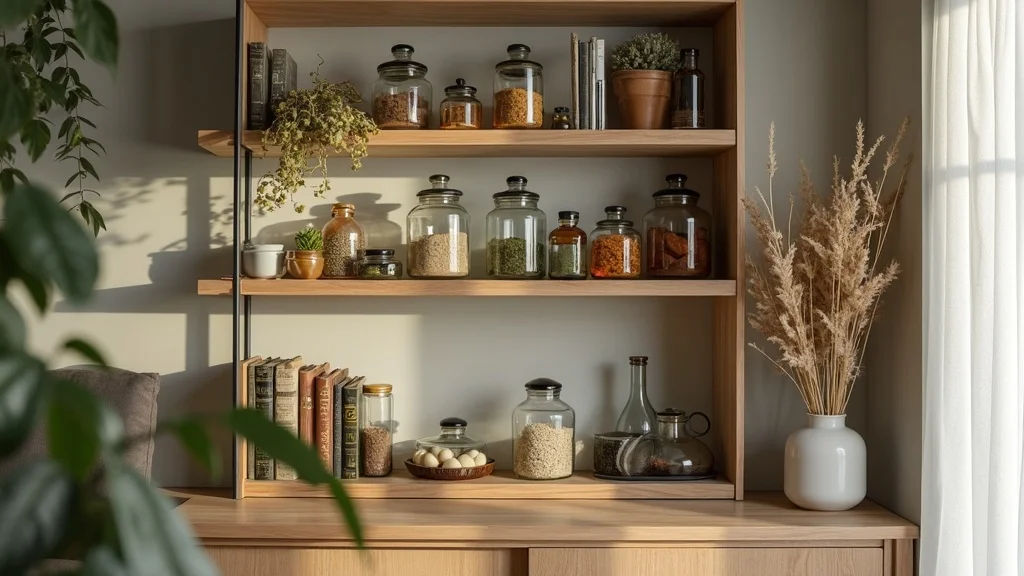
What makes the apothecary aesthetic so alluring isn’t only its vibrant glass jars or the perfect match of color scheme and natural elements—it’s the sense of mystery and intention behind each object. Collecting these pieces isn’t about filling a shelf, it’s about creating a curated vibe. Think of your home as a vast library of designs, where each bottle and label contributes a word or phrase to an ongoing story. In a world obsessed with tidying, the apothecary aesthetic is about careful curation, not mindless accumulation—a philosophy that starts with a single shelf and expands with your own discoveries.
A Brief History: Herbal Apothecary Roots and Evolution into an Aesthetic
The roots of the apothecary aesthetic date back to the herbal apothecaries of the 16th and 17th centuries, where practitioners combined knowledge of botanicals with early chemistry. Their shelves held not only remedies but also scientific instruments and handwritten labels, each piece serving a purpose. Today, elements like glass jars, mortar and pestle props, and vintage labels are reimagined for kitchen decor and interior design, blending the nostalgia of history with the convenience and safety of modern life. No longer restricted to pharmacists or herbalists, this aesthetic makes a statement in homes, cafes, and boutiques worldwide.
“Collected, not cluttered. The apothecary aesthetic is curation—every bottle, label, and jar has a story, not just a spot.”
Defining the Apothecary Aesthetic for Contemporary Collectors
What is Apothecary Aesthetic? From Herbal Apothecary to Home Decor
The apothecary aesthetic blends historic tradition with present-day sensibility, bringing the feel of an herbal apothecary into your kitchen decor or living area. It’s about mixing old and new: glass jars from a thrift store beside contemporary art print wall art, labels with a whiff of Victorian nostalgia, a porcelain vase next to a modern scented candle. This approach celebrates the patina of age while honoring practicality—choose sturdy pieces, balance statement bottles with subtle background props, and use labeled jars for everything from dried herbs to tiny keepsakes.
In essence, the apothecary aesthetic is about atmosphere: light filtering through colored glass, a botanical sprig resting beside a metal print, and each piece inviting a closer look. Authenticity shines through thoughtful details, from the type of jar to the handwritten label. This style is the perfect match for anyone seeking a collected, not cluttered look, with options to suit every budget and space—from weekender tote displays to full-fledged shelf vignettes.
What Makes Someone an Apothecary? Traditions, Skills, and Modern Takes
Traditionally, an apothecary was both a healer and a curator—a master of medicinal knowledge, a collector of rare substances, and a craftsman of beautiful containers. Today’s apothecary collector shares some of these traits: an eye for authentic detail, ethical sourcing, and careful display. Skills now include not just mixing tinctures, but knowing how to combine glass jars, pick out labels, and create a safe, beautiful display for kitchen decor. The goal is to build a vibe that feels intentional and storytelling—whether you lean towards herbal apothecary, Victorian gothic, or a modern botanical twist.
In the modern world, being an apothecary means balancing the romance of collecting with the realities of space, safety, and upkeep. It’s about sourcing from reputable sellers, checking condition, and knowing how to clean delicate vintage glass. Mixing in new finds with thrift store treasures is encouraged—as long as each piece earns its spot by adding something unique to your apothecary aesthetic.
| Historical Apothecary | Modern Apothecary Aesthetic |
|---|---|
| Hand-blown glass & porcelain jars | Vintage bottles, modern glass, colored glass, ceramic or even acrylic prints |
| Handwritten paper labels | Printable/machine labels, custom typography, wall art or framed prints |
| Mortar & pestle, brass scales, botanical specimens | Props for styling: mortars, mini books, collectible wall or canvas prints |
| Medical and herbal remedies | Kitchen decor storage, botanicals, dried florals, candle vignettes |
| Dusty shelves, practical use | Museum-style lighting, curated for display, safe for home use |
Types of Apothecary Jars: Labels, Props, and Storage for Every Display
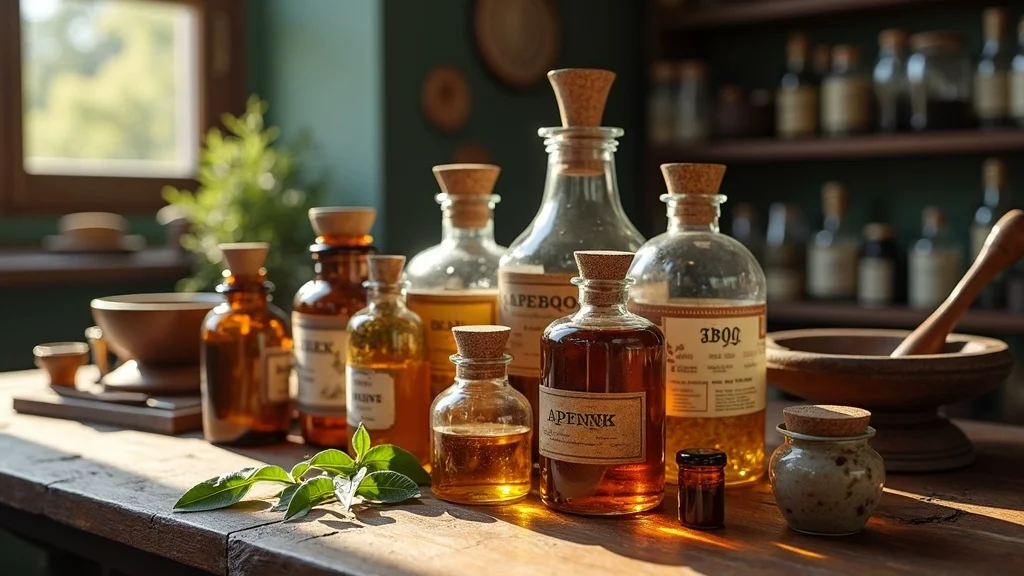
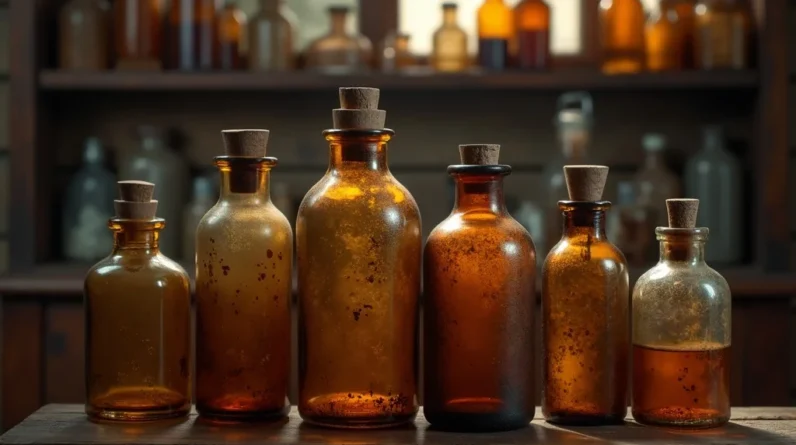
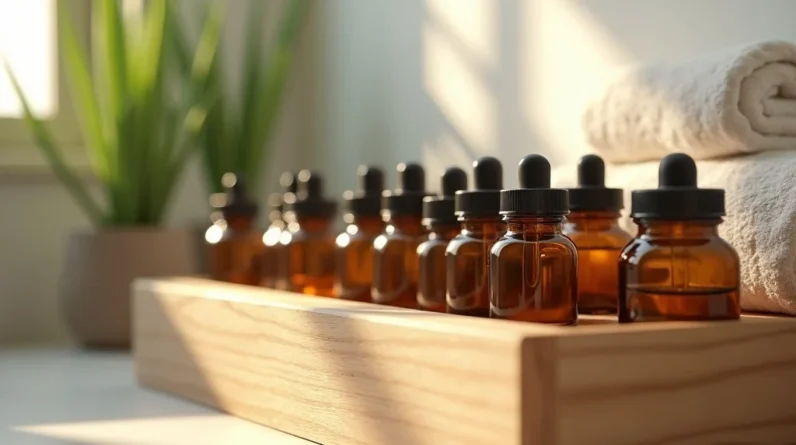
There’s an art to picking the right jars for your apothecary aesthetic. Amber glass bottles filter light and evoke old medical practices, making them a favorite for dramatic displays and protecting botanicals. Clear glass jars are ideal for modern kitchen decor—think dried lavender or layered bath salts, with labels that describe the contents in multiple words or a bold type face. Colored glass introduces a unique color scheme into your display, perfect for matching to art prints or canvas prints and adding visual interest to your home.
Labeling is key: herbal, medical, and botanical labels immediately set the tone for your shelf, evoking either a Victorian study, gothic hospital, or botanical retreat. Add antique scales, a mortar and pestle, or even a thrift store find like a framed print for extra authenticity. When using jars as kitchen decor, always clean thoroughly and avoid storing food in antique or damaged bottles. Modern apothecary jars bring together safety, style, and the history of vast library collections—each piece a tiny chapter in your decor narrative.
- Amber glass vs clear glass vs colored glass bottles
- Label variations: herbal, medical, botanical
- Props: mortars, scales, pestles, and more
- Safe storage tips—especially for kitchen decor
Starter Set for Beginners: Collecting Apothecary Aesthetic Without Clutter
Rules for New Collectors: Authenticity, Condition, and Display Safety
Launching your first apothecary aesthetic shelf doesn’t require a vast library of designs—just a thoughtful basis in authenticity and condition. Start small: look for jars with genuine age, such as subtle patina, worn labels, or irregular glass bubbles. Avoid jars with cracks or unsafe paint, especially when displaying in kitchen decor or anywhere food might be stored. When buying from a thrift store, inspect for chips and check if the labels look original—modern reproductions can be perfect for display, but make sure you know what you’re getting.
Safety first: never use antique or repro bottles to store edible goods unless you’re certain of their food safety. Always clean jars with gentle, non-abrasive cleaners and avoid hot water for fragile pieces. The curated shelf philosophy is “collected, not cluttered”—choose items that spark joy and contribute to your personal story, rather than filling space for its own sake.
Red Flags and Buying Tips: Repro vs Vintage, Online Photo Checks
“Not every old bottle is a treasure. Look for authentic patina, original labels, and reputable sellers for your apothecary aesthetic collection.”
Online shopping for apothecary jars and props has grown, but beginners need to spot the difference between vintage and well-made repros (reproductions). Beware of overly perfect paint, uniform coloring, or modern font choices on labels. When browsing listings, ask for multiple photos—shots in natural light often reveal true age, revealing wear or signs of modern manufacturing. Always check the seller’s reputation and reviews—trustworthy sellers often explain the history and care advice for each item.
Authentic bottles often have small imperfections: bubbles in the glass, faded ink on the label, or patina on metal parts. If collecting seems intimidating, start with a statement piece—a hero jar, a bold colored bottle, or a unique mortar—that forms the anchor of your shelf display. Over time, add new finds, but recall that more is not always better in the apothecary aesthetic.
Beginner Apothecary Aesthetic Starter Checklist
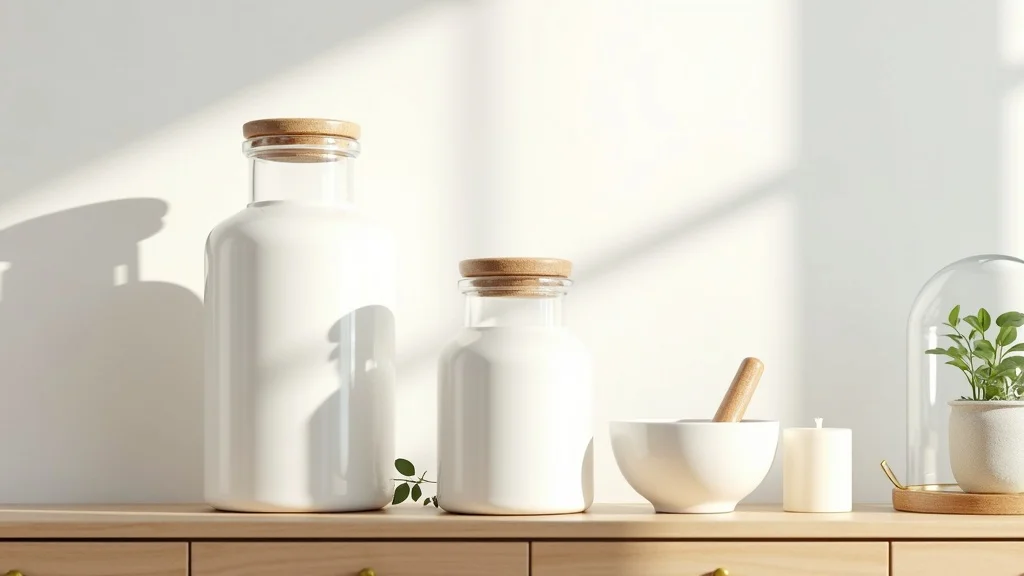
- Select 2–3 key jar types: one large, one medium, one mini
- Pick porcelain or stoneware for a gothic vibe
- Try a cloche for a single dramatic piece
- Use labels sparingly for a collected look
Popular Apothecary Aesthetic Themes: Gothic, Botanical, and Beyond
- Modern gothic: choose restraint and statement pieces
- Witchy but everyday: subtle magic in kitchen decor
- Victorian study or medical apothecary style
- Botanical or nautical shelf boards
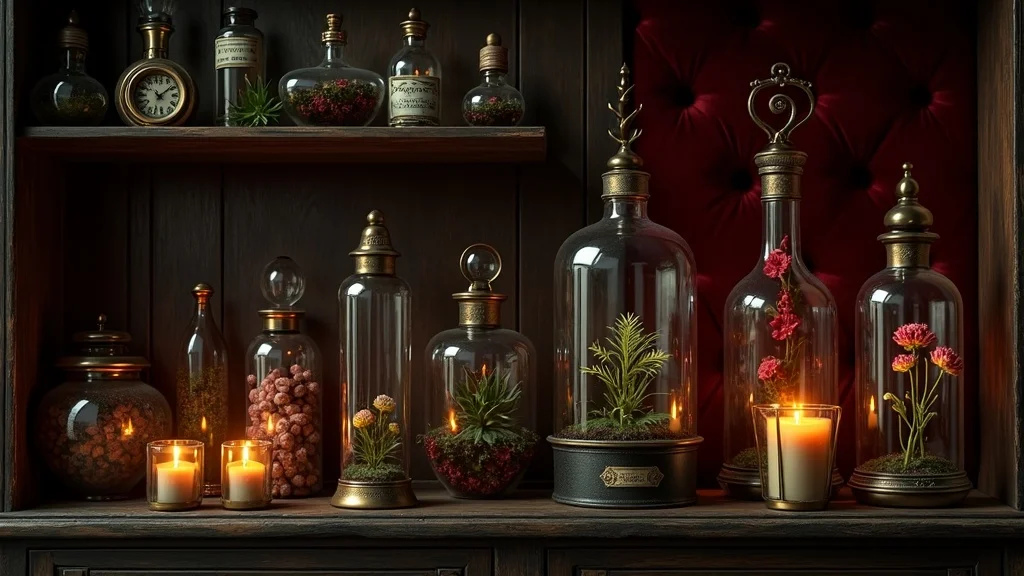
The apothecary aesthetic is endlessly customizable, with themes ranging from dark academia and Victorian study to witchy kitchen decor and luminous botanical looks that evoke a vast library or scientific workspace. Modern gothic shelves rely on restraint: think a few bold bottles, dark colored glass, and metal props for emphasis. “Witchy but everyday” infuses a subtle sense of magic—tiny jars of dried herbs, moon labels, or a hint of iridescent beach glass as an accent. For those pulled to the light, botanical and nautical themes pair clear jars and natural tones with pressed flower art prints or wall art.
A clever approach to contemporary apothecary aesthetic is building a theme board, similar to picking canvas prints for your living room. Each jar, label, and prop adds to your personal story, giving you endless styles to discover. As you build your collection, revisit your shelf regularly—rotate in new props, swatch color scheme ideas, and refine your display for maximum impact and delight.
Shelf Styling Formula: Creating a Repeatable Apothecary Aesthetic
- Start with a hero object (large jar or bottle)
- Layer smaller props or books for height and interest
- Add a label, botanical sprig, or candle for mood
- Step back and edit—collected, not cluttered
The “repeatable” part in the apothecary aesthetic comes from finding your shelf’s balance and building outwards with intention. Anchor with a large or visually distinct piece, then add smaller items with a purpose—mini jars, metal figurines, or art prints. Play with height by stacking books, using an elevated cloche, or leaning a framed print against the wall. Mood is set with a touch—a botanical sprig, a candle, or a handwritten label. The key is frequent editing: step back, assess, and remove anything that feels like it crowds the story you’re telling. Visual harmony is more than filling every inch—it’s about every object earning its place.
Common Mistakes in Achieving the Apothecary Aesthetic (and How to Avoid Them)
- Overcrowding shelves and losing the curated feel
- Using only new items, missing authentic details
- Ignoring care and safety with antique glass or props
Even seasoned collectors can fall into a few traps when pursuing the perfect apothecary aesthetic. Overcrowding shelves turns your story from a curated novel into a jumbled word cloud—less really is more. Relying solely on new items (from a big box store or online retailer) can give a display that misses the deep, lived-in vibe of thrift store or vintage finds. And, while visual impact is key, neglecting basic cleaning and safety means your display could pose risks—especially in kitchen decor, where antique jars must be checked for lead, cracks, and food safety.
To avoid these pitfalls, rotate your items frequently, mix old with new, and inspect every piece for both authenticity and safety before adding it to your shelf. These simple habits will keep your apothecary aesthetic collected, stylish, and risk-free—beautiful objects with stories that endure.
The Ethics and Safety of Collecting and Displaying Apothecary Aesthetic
Care and Cleaning: Safe Handling of Vintage and Repro Bottles
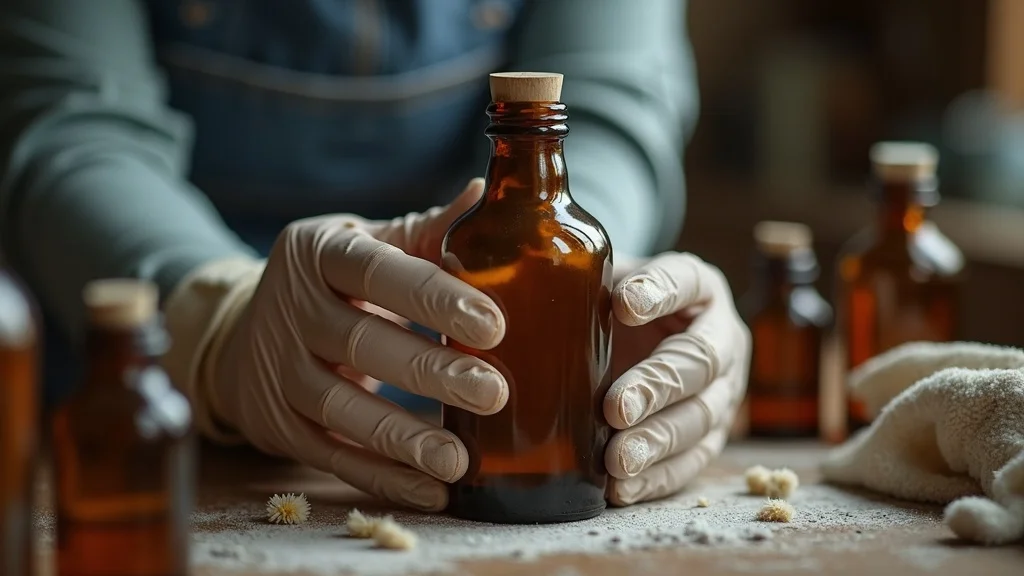
Respect for the past and present means caring for your apothecary aesthetic pieces with diligence. Vintage glass jars often have delicate surfaces—avoid aggressive scrubbers or harsh chemicals to prevent scratching or fading historical labels. Clean with warm water, mild dish soap, and a soft cloth. For labels, dust lightly with a dry brush; if you must use water, test a hidden corner first. Repro bottles are sturdier, but still benefit from careful cleaning—no need for abrasive materials that could cloud the glass or peel printed details.
Always wash hands before arranging or moving collectible jars. Wear gloves for high-value or fragile pieces, and take special care with any jars used as kitchen decor—never store food in containers that aren’t verified food-safe. Store in a cool, dry place to preserve quality, and use protective liners for shelving to prevent chips or damage.
Display Safety: Avoiding Fragile Faux Pas in Kitchen Decor
When merging vintage style with practical kitchen decor, safety is as crucial as aesthetics. Keep fragile or valuable jars on upper shelves, away from children or pets, and out of direct sunlight that could fade labels. Consider LED lighting over real candles for mood, as this reduces risk of breakage or fire. If displaying art prints, metal prints, or canvas prints nearby, ensure they are well-secured and don’t crowd the jars. The right lighting, spacing, and shelf liners turn your collection into a safe, inviting exhibit, not a safety hazard.
For museum-style home displays, less is more—leave space between jars to reduce the risk of bumps or breakage. Use dry botanicals or staged fillers rather than liquids, and avoid high-traffic kitchen zones for your most delicate apothecary aesthetic pieces.
Personalizing Your Apothecary Aesthetic: Themes, Labels, and Lighting
- Choose a personal theme board: lunar, medical, victorian, etc.
- Printable label ideas and custom typographic touches
- Lighting: how to light glass, metal, and moody shelves
- Create a museum-style upgrade with cloches and spacing
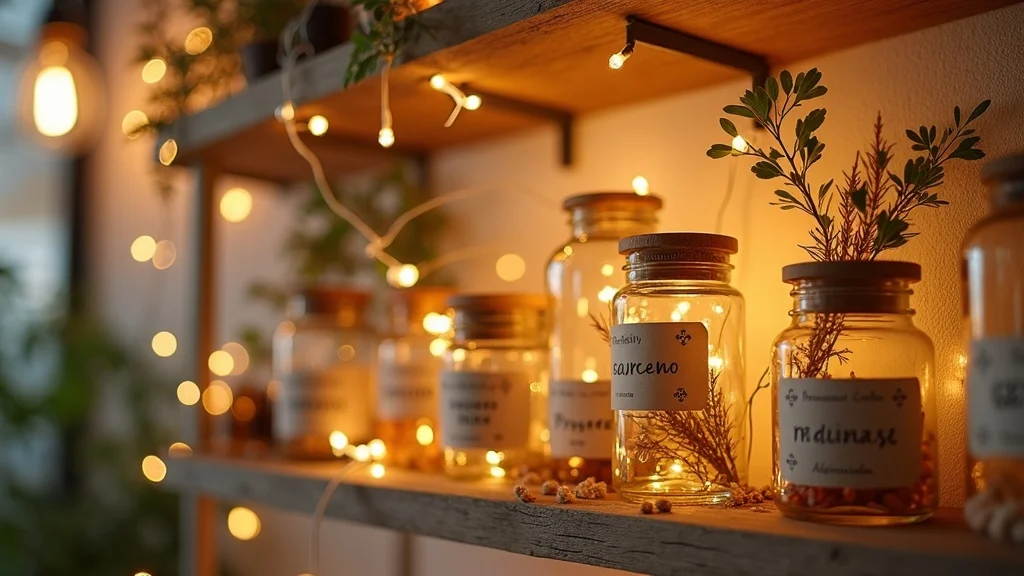
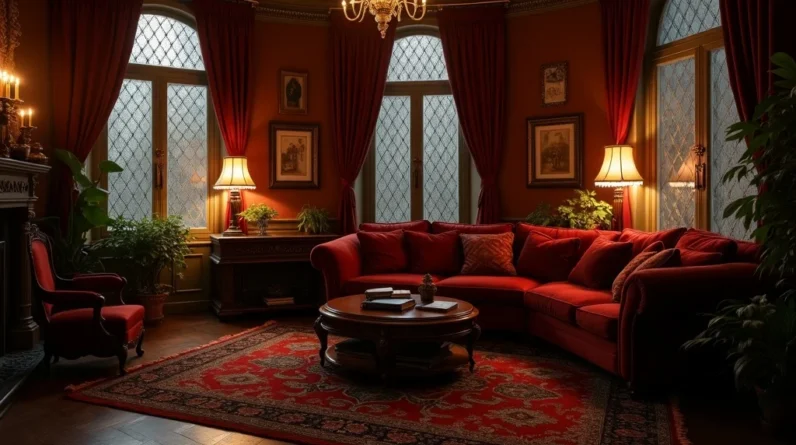
Curating your own apothecary aesthetic is like piecing together a personal narrative—a theme board for your home. Explore styles to discover the perfect match for your taste: moon phases and lunar motifs for a celestial vibe, old medical labels for a steampunk feel, or Victorian study elements with velvet and brass touches for dramatic depth. You can find printable label templates online (or in DIY communities), letting you experiment with paper textures, custom fonts, and even multilingual phrases.
Lighting transforms your collection into a living exhibit. Accent LED strips, spotlights for hero jars, or warm string lights lined along shelves bring an otherworldly glow that highlights glass and metal prints. For an authentic touch, cloches display delicate items like dried flowers or miniature books—turning each vignette into a “tiny exhibit.” Remember: space and lighting are as important as the jars and labels themselves—together, they elevate kitchen decor from background accessory to centerpiece conversation starter.
People Also Ask: Your Apothecary Aesthetic Questions Answered
What is apothecary aesthetic?
The apothecary aesthetic is a curated approach to interior decor using vintage jars, botanicals, and scientific props, rooted in herbal apothecary history but styled for contemporary homes. It’s about blending history, care, and display.
What makes someone an apothecary?
Traditionally, an apothecary is a herbalist or chemist who prepares and sells medicines, but in decor, it refers to those who thoughtfully curate apothecary-style items with ethical sourcing and attention to detail.
What is an apothecary decor?
Apothecary decor means arranging spaces with apothecary jars, labels, and scientific or botanical elements to evoke a sense of history and craftsmanship, often in kitchens or studies.
Are apothecary jars still in style?
Yes—apothecary jars remain popular for their timeless ability to add charm and intrigue to kitchen decor, shelving, and home displays as part of the broader apothecary aesthetic trend.
Key Takeaways: Apothecary Aesthetic Made Simple
- Start curated, not cluttered: focus on stories, not quantity
- Combine history and modern touches for kitchen decor
- Labels and safety matter: authenticity is in the details
FAQs: Apothecary Aesthetic for Beginners
- How do I safely clean vintage apothecary jars?
Use mild soap, lukewarm water, and a soft cloth. Avoid submerging jars with paper labels. Dry thoroughly and handle with care. - Where can I find printable labels for apothecary aesthetic displays?
Printable labels are available via craft marketplaces, DIY blogs, and design platforms—look for customizable templates that match your theme board. - What’s the difference between repro and antique bottles?
Antique bottles have signs of age—bubbles in glass, faded ink, patina; repros often look uniform, with newer fonts or paint. When in doubt, ask sellers for detailed photos and provenance. - Can I use apothecary jars for kitchen storage?
Yes, but only use bottles marked as food-safe. Vintage or antique bottles are best for dry decor, not storing edibles, unless certified safe.
If You’re Building a Cabinet Vibe, Browse Apothecary Aesthetic Starter Sets or Save This Checklist
Whether you’re after a dramatic gothic mood or a serene botanical nook, the apothecary aesthetic transforms your kitchen decor and shelf displays into a reflection of your style—one carefully chosen glass jar at a time. Start small, edit often, and remember: stories matter more than quantity. For collecting confidence, browse starter sets or save this checklist for your next decor adventure.