

Ready to build your own cabinet of wonders? Here’s how you can transform ordinary spaces into spellbinding showcases that look beautiful—without breaking the bank
Open Your Own Cabinet of Curiosities: Where Wonder Meets Everyday Style
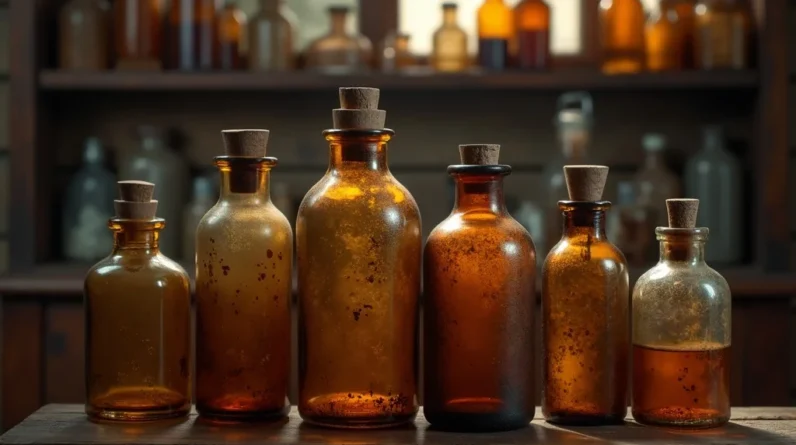
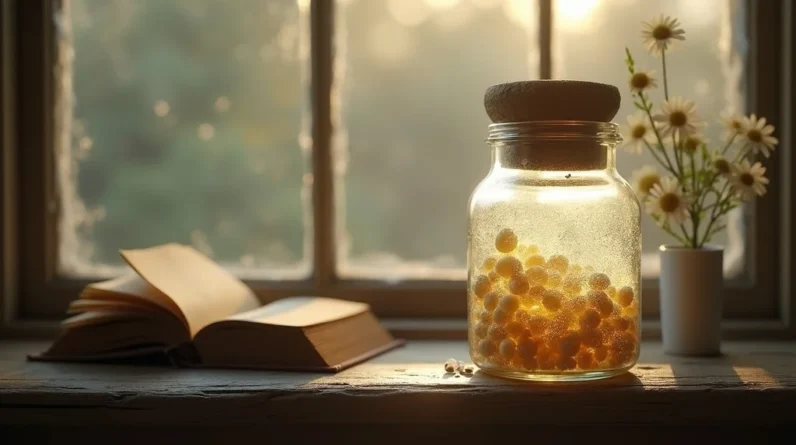
A dusty jar, a handwritten label, a glimmer beneath the shelf—every detail tells a story. Let’s decode the magic of cabinets of curiosities, one item at a time.
Within the cozy corners of our homes, there’s a growing trend to collect more than just memories—we’re assembling little worlds behind the glass of a curio cabinet. Inspired by the centuries-old tradition of cabinets of curiosities, today’s displays don’t demand a mansion or museum at FIT. In fact, you can evoke awe and curiosity in a single shelf or secretary desk, layering everything from folk art to minerals and storm trading cards. The trick isn’t collecting random objects, but styling them with intention, safety, and personality.
Ready to rethink your collectibles from building cookie jars to dried flowers and beyond? Let’s walk you through curation strategies that ensure your cabinet is collected, not cluttered—so even a beginner can style a room that feels like an entire museum exhibit
What You’ll Learn about Cabinet of Curiosities Ideas
- Quick cabinet of curiosities definitions and their collector origins
- A practical, clutter-free styling framework
- How to source or display rare finds on a modest budget
- Safety and authenticity best practices
- Themed inspiration for every taste—from gothic to botanical
- Answers to essential curio cabinet questions
Cabinet of Curiosities: Definition and Philosophy
What is a Cabinet of Curiosities and Why Create One?
The goal? To inspire wonder, signal knowledge, and showcase a collector’s worldliness
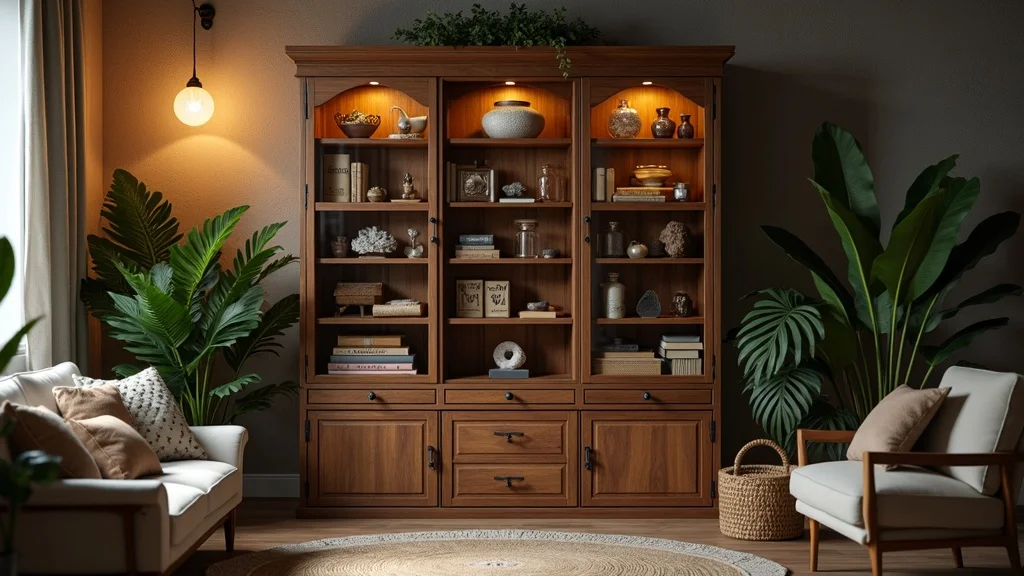
Today, a cabinet of curiosities can live in a corner of your share-house, a glass-front secretary desk in your den, or even as a bold shelf in a New York City apartment. No matter the scale, every well-styled curiosity cabinet weaves together your tastes—be it gothic drama, botanical calm, desert storm trading cards, or folk art—with safe, stylish, and often ethical finds. You’re building more than a display; you’re curating an experience for yourself and your guests.
Collected, Not Cluttered: The Modern Curio Cabinet Mindset
“A true cabinet isn’t a pile—it’s a purposefully edited display of wonder.”
The best cabinets of curiosities are a harmony between story, style, and breathing room. It’s easy to let excitement spiral into clutter, but restraint is the secret to impact. Start with a few statement pieces—old books, labeled jars, or rare folk art—then layer in secondary objects that complement your theme. Rotate items seasonally, and don’t be afraid to use modern pieces alongside genuine antiques or oddities. Mixing reproduction bottles with authentic finds (like those from Creel and Gow) can look high-end if staged thoughtfully. Remember, less is more. Each item should spark a story or emotion, not get lost in visual noise.
Curate with intention. Whether you’re displaying storm trading cards, a Chrysler Building cookie jar, or mineral clusters, focus on quality, authenticity, and your own sense of wonder. Your curio cabinet doesn’t need to be filled head-to-toe; sometimes an entire room can pivot around just a few well-placed curiosities.
What to Look For: Your Curio Cabinet Checklist
- Decide your cabinet of curiosities ideas theme
- Use labeled jars and proper props for display
- Mix reproduction and vintage finds, checking for authenticity
- Layer textures: wood, glass, metal, and natural objects
- Always ensure ethical and safe display practices
| Item Type | Sourcing Tips | Display Ideas |
|---|---|---|
| Jars & Bottles | Vintage shops, DIY | Labels, fillers |
| Oddities | Estate sales, Etsy | Glass domes, frames |
| Books & Papers | Thrift, reprints | Open pages, stands |
| Natural Artifacts | Ethical dealers, found | Clusters, risers |
25 Cabinet of Curiosities Ideas: Budget to Luxe
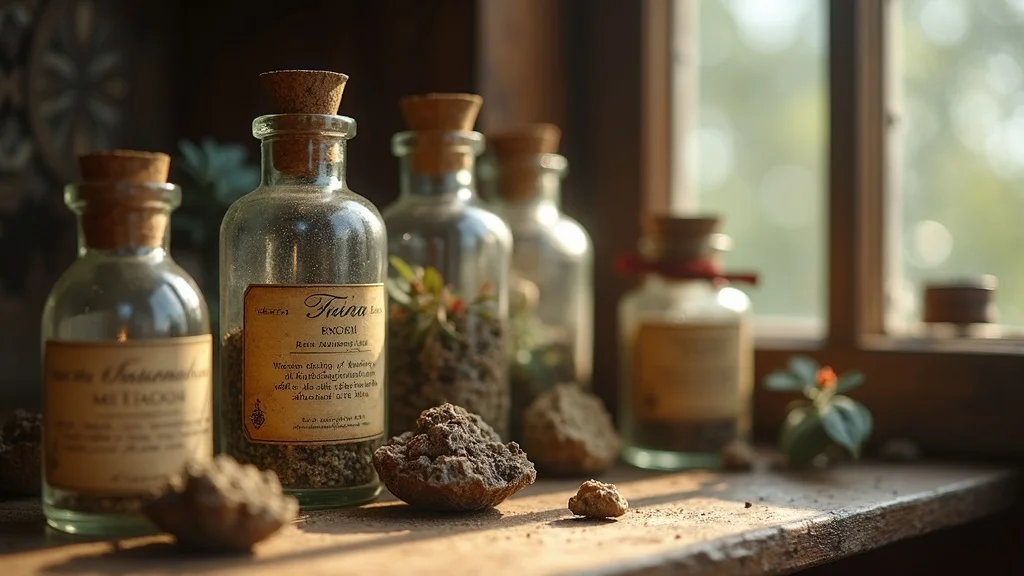
- 1. Apothecary jars with handwritten labels
- 2. Victorian study-inspired shelf with taxidermy (ethical/legal)
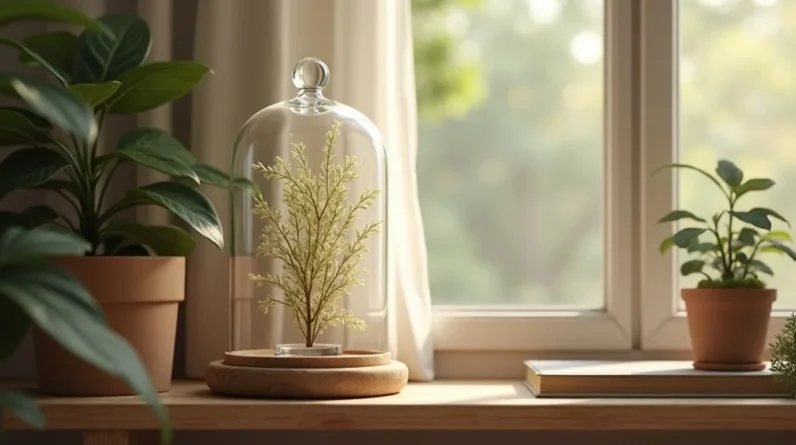
- 3. Miniature cloche exhibit (use glass cloches for small artifacts)
- 4. Specimen display: faux insects in archival frames
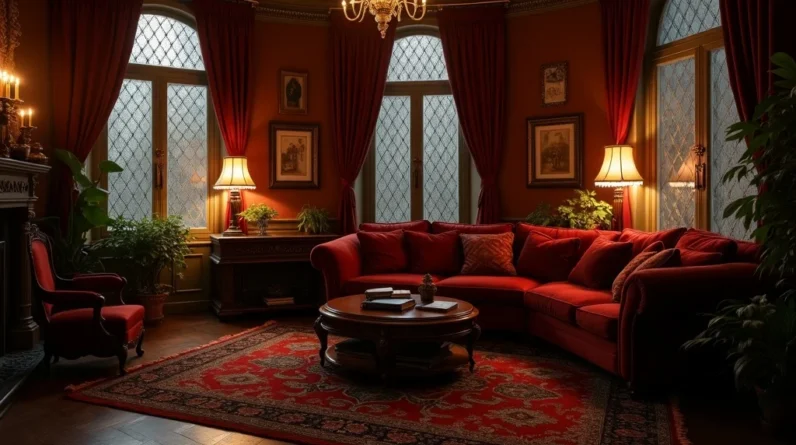
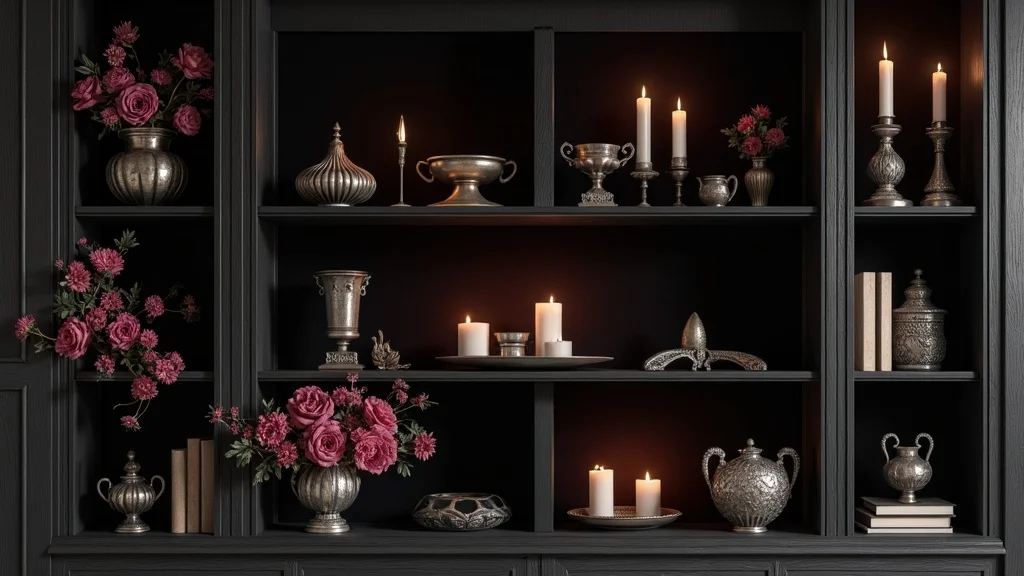
- 5. Modern gothic vignette with dark florals & metalware
- 6. Nautical collection using shells and driftwood in shadow boxes
- 7. Lunar/astronomy shelf (moon maps, vintage telescopes, minerals)
- 8. DIY potion bottles with aged labels and subtle fillers
- 9. Pressed botanical specimens under museum glass
- 10. Medical-themed curios (old anatomy prints, tin boxes)
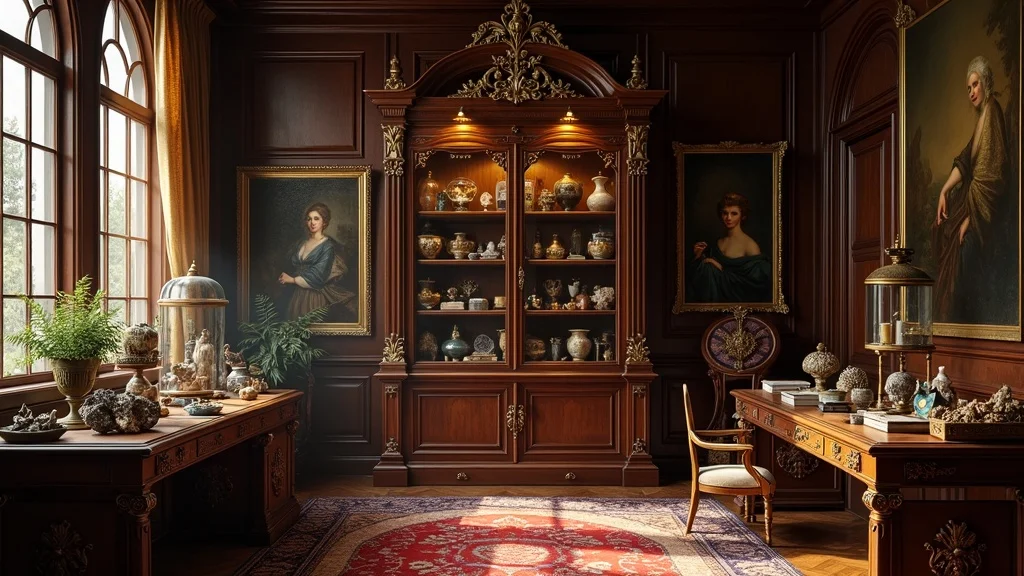
- 11. Secretary desk as display base for curiosities
- 12. Pocket watches and keys on velvet risers
- 13. Reproduction oddities: how to spot quality
- 14. Botanical and gothic mix for a dark academia look
- 15. Lab glassware with colored water or dried plants
- 16. Layered candlelight (battery or LED for safety)
- 17. Themed gift sets for beginner collectors
- 18. Museum labels: hand-drawn or printable designs
- 19. Cloches with antique miniatures and minerals
- 20. Apothecary layout with typographic labels
- 21. “Witchy but everyday” props: subtle magic, not cliché
- 22. Medical and scientific equipment in shadow boxes
- 23. Spaced, minimal gothic for a high-end feel
- 24. Mini bookshelf with dark academia pin accents
- 25. Faux bones and specimen jars: safety and display
Common Mistakes with Cabinet of Curiosities Ideas (and How to Avoid Them)
- Overcrowding—stick to a theme and allow breathing room
- Mistaking reproduction for genuine vintage—verify before buying
- Failing to label items—always add story/context
- Neglecting cleaning or safety—especially for delicate or hazardous items
- Ignoring authenticity, ethics, and legality—always ask for provenance
One of the most common pitfalls is overcrowding your curio cabinet. Remember, even the original cabinets of curiosities valued story and focus over chaos. Each object should have its moment; this not only enhances intrigue but allows your display to breathe. It’s easy to be tempted by every oddity from folk art pin collections to Chrysler Building cookie jars, but editing is essential. Fakes abound, and sometimes reproduction bottles sneak in among genuine finds. Always double-check authenticity (ask for provenance or photo proof) when buying online or at estate sales. Finally, safety isn’t optional—never display objects without knowing their materials or cleaning needs. The right approach keeps your cabinet inviting, safe, and truly unique.
Labeling is another easy mistake to fix. Even a few handwritten cards can elevate a curiosity cabinet, turning a “sonny angels” shelf or dried flower cluster into a mini museum. Each addition should fit your theme and means something personal; ignore generic decor and curate with intention.
Cabinet of Curiosities Styling Formula: How to Get a Luxe Look on Any Budget
Step-by-Step Display Guide for Modern Cabinets of Curiosities
- Choose one mood or theme (medical, gothic, apothecary, etc.)
- Start with a single shelf, secretary desk, or curio cabinet
- Add large anchor pieces first, then layer small props
- Mix materials: glass, brass, wood, and labeled jars
- Use risers, domes, and frames for vertical interest
- Light with LEDs and accent lamps (avoid damaging UV)
- Print and add labels for story and context
Begin with a vision: is your cabinet of curiosities going to feel botanical, gothic, nautical, or perhaps lunar? Selecting a unified theme prevents your space from becoming just a cluttered assortment of unusual objects
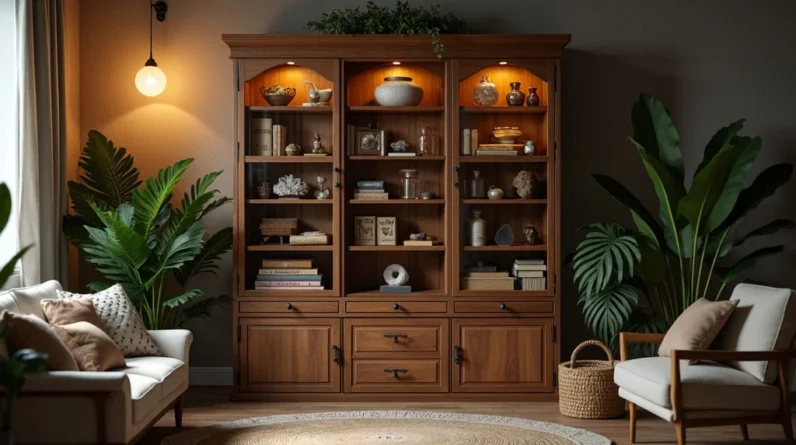
Choose your foundation. A secretary desk, glass-front curio cabinet, or even a minimalist modern shelf can serve as the base for your display. Place your largest and most visually arresting items first: mineral clusters, archival books, or a dramatic reproduction of medical equipment. Next, layer in supporting props: labeled jars, vintage botanicals, shadow-boxed oddities, even storm trading cards arranged with intent. Texture creates depth in your display, so use materials like aged brass, smooth glass, distressed wood, and ethically sourced natural artifacts.
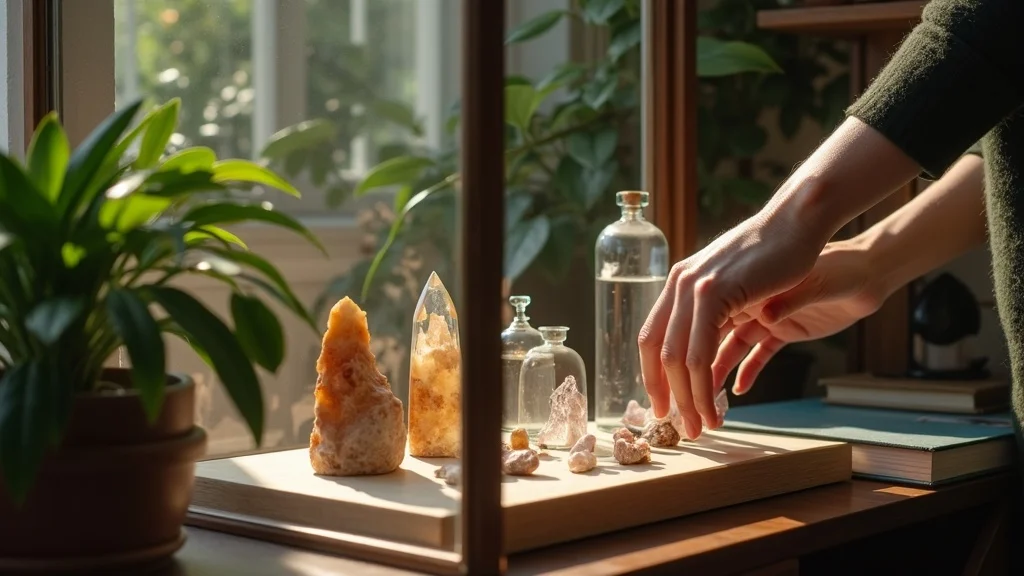
Lighting is the final magic touch. Use LED strip lights, spot lamps, or battery candles to create pools of focus (and avoid heat or UV damage). Museum-style labels—printed or carefully handwritten—add instant polish and context. Step back often; edit ruthlessly until every object feels intentional, not accidental. In the end, your cabinet should feel like a tiny curated exhibit—inviting discovery, not demanding explanation.
People Also Ask: Cabinet of Curiosities Ideas FAQ
What to put in a cabinet of curiosities?
Mix natural (minerals, feathers), historical (old books, medical oddities), and artful (sculptures, odd bottles) objects. Consider what sparks genuine wonder for you.
Great cabinet of curiosities ideas often start with the objects that catch your eye and make you pause. Think mineral specimens, crystals, folk art, dried flower bouquets, pinned faux insects under glass domes, or even unusual medical gear from the victorian era. Historical oddities pair beautifully with modern creations—feel free to blend dark academia pin sets with apothecary jars or old building cookie jars. Ultimately, fill your curio cabinet with what evokes fascination and personal stories, creating a unique and authentic display.
Which is the best cabinet of curiosities?
The best cabinet of curiosities is the one whose story you can tell—quality pieces in safe, authentic, stylish displays, matched to your taste and budget.
No two curiosity cabinets are the same. Some are minimalist with just a few high-impact oddities, while others sprawl across entire rooms like the secret collections of New York City’s Creel and Gow. The key is safe and ethical acquisition, robust context, and matching your display to your available space and style. Whether you love the moody drama of a gothic shelf or the airy intrigue of a botanical theme, the best cabinet is the one that feels personal, coherent, and full of stories you’d share with fellow collectors.
What is the most famous cabinet of curiosities?
The Kunstkammer of Rudolf II in Prague—famed for its art, science, and marvels—is often cited as the original and most storied cabinet of curiosities.
Throughout history, some original cabinets of curiosities have reached legendary status. Most famously, the Kunstkammer of Rudolf II in Prague assembled wonders from art, science, and beyond. Others, like the collections that filled entire rooms of European estates, later inspired modern museum exhibits. These historic cabinets showcased everything from rare minerals to strange animal specimens, blending serious science, art, and marvel—a tradition any collector can channel today, whether in an entire room or a single cabinet.
What items were in cabinets of curiosities?
Artifacts like old medical specimens, rare minerals, preserved animals, scientific instruments, and unusual books were common in historical curio cabinets.
Original cabinets of curiosities included a dizzying array of items: specimens in jars, preserved animals, antique medical instruments, folk art, rare books, and curiosities at the museum level. In the victorian era, entire rooms displayed artifacts collected from global voyages or the odd finds of everyday life. Today, you might swap a mummified species for a chrysler building cookie jar or sonny angels lineup, but the spirit remains: intrigue, surprise, and storytelling.
Key Takeaways: Stylize Your Cabinet of Curiosities with Care
- Start small and curate, don’t clutter
- Theme matters: gothic, botanical, nautical—go with what excites you
- Jars, cloches, and labels elevate the display
- Authenticity, safety, and ethical sourcing come first
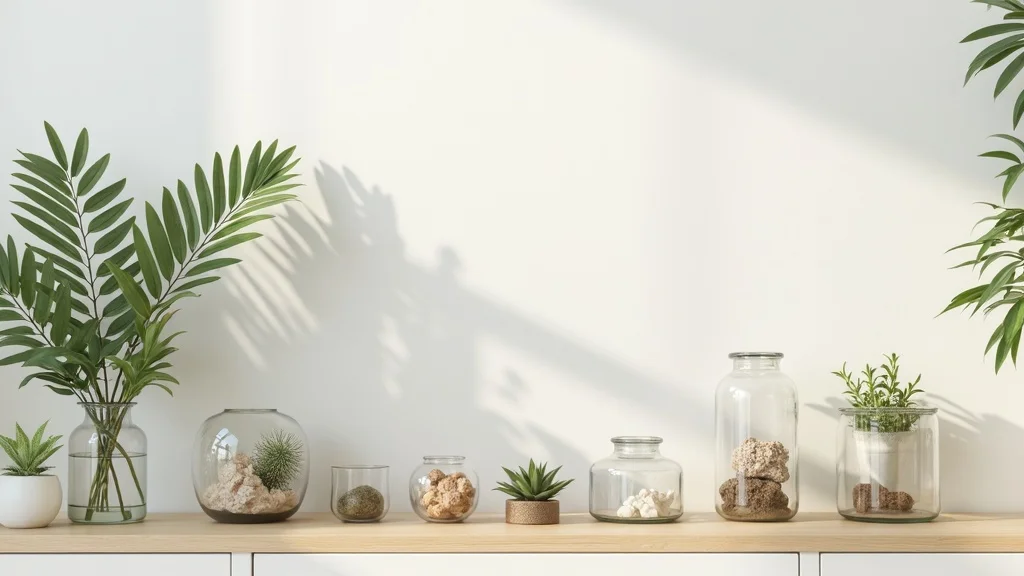
If you’re building a cabinet vibe, browse favorite curio shops… or save this checklist for your next treasure hunt.
Your cabinet of curiosities ideas journey is just beginning. Whether you’re crafting moody gothic corners, assembling botanical wonders, or layering in modern everyday “witchy” props, these tips will help you create a collected, not cluttered, display. Save this guide, revisit your themes, and let wonder lead your next curio hunt—one labeled jar or vintage oddment at a time.