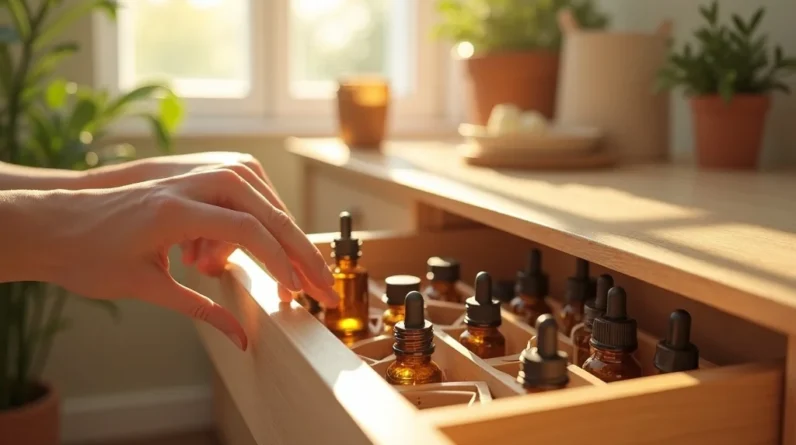


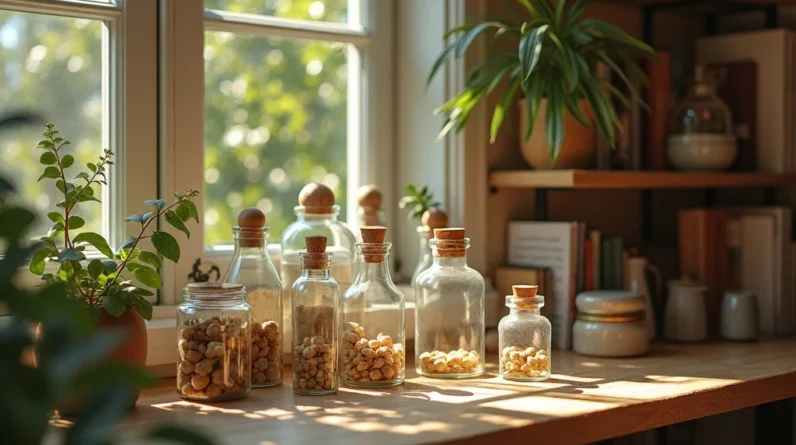
Did you know that in a recent home décor survey, over 65% of respondents said their favorite spaces told a story—and that unique collections, not “clutter” shelves, were most memorable? Picture this: on an old wooden shelf gleams a single apothecary jar, its label barely faded, the glass catching golden morning light
“On a quiet shelf, a single apothecary jar becomes a memory keeper—reminding us that every collection begins with curiosity and restraint.”
What You’ll Learn About Apothecary Decor
- The essentials of apothecary decor for home decor
- How to select, style, and organize pieces such as apothecary jars
- Tips for avoiding cluttered displays—embracing a “collected” philosophy
- Red flags when buying vintage or reproduction jars
- How to style, label, and care for your apothecary jar collection with authenticity and safety
Defining Apothecary Decor: A Modern Take on Cabinet of Curiosities
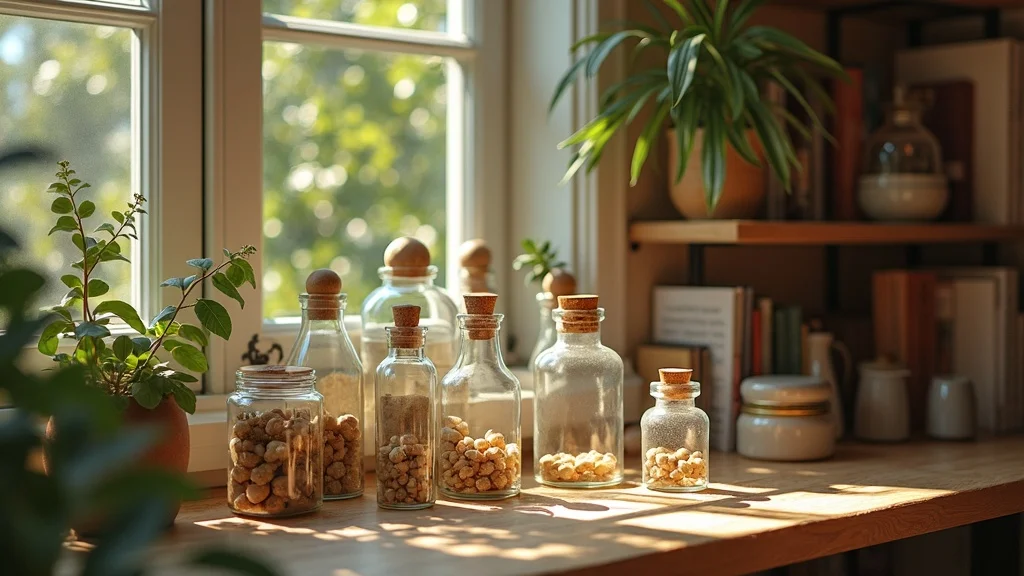
What is Apothecary Decor and Why Is It Trending in Home Decor?
Apothecary decor is the modern translation of an age-old tradition: collecting, labeling, and displaying intriguing objects in beautiful jars, bottles, and cabinets. Rooted in the world of historic pharmacists and naturalists, today’s version marries vintage intrigue with contemporary functionality, making it a hit in home décor trends. Whether styled to evoke a Victorian study or a more minimalist “curator’s cabinet,” these displays bring personal touches and storied ambience to rooms in my home—from living room nooks to bath and kitchen shelves.
The trend’s surge in popularity connects directly to our craving for authenticity and calm. Unlike mass-produced accessories, apothecary jars and related curiosities allow home decorators to tell a story: each bottle can represent a memory, a seasonal find, or a motif—without the visual chaos of over-stuffed shelves. Whether you’re channeling a dark academia aesthetic or simply want a sweet table accent, the versatility and “grown-up magic” of apothecary decor can’t be overstated. It’s about creating intentional, memory-rich home decor that’s as unique as your own collections.
What is a Modern Day Apothecary Called?
While the original apothecary referred to historic pharmacists and their fascinating cabinets, today’s “modern apothecary” spans a range of settings—artisan candle studios, botanical shops, even bath bomb boutiques and online stores like an etsy seller. These modern vendors focus on displaying and selling products in classic glass jars (think flour sack lavender, tea towel wraps, or even holiday and seasonal decor items) reminiscent of antique collections, but with a fresh twist. In many homes, the “modern apothecary” is the kitchen shelf featuring labeled herb jars, a bathroom display with classic containers of bath bombs or faux fruit, or a living-room focal point styled with botanicals and minerals. Ultimately, anyone who curates, labels, or artfully arranges natural wonders and curiosities—can call themselves a modern apothecary of sorts.
Whether through personalized advertising, such as vintage-inspired labels, or by leveraging themes like lunar phases or Victorian botanical prints, the idea is to blend nostalgia with modern intent. The best apothecary decor tells a story and invites curiosity, all while feeling approachable and practical for everyday home decor.
| Aspect | Traditional Apothecary | Modern Apothecary Decor |
|---|---|---|
| Key Materials | Thick, cloudy glass; hand-thrown ceramics; aged paper labels; metal lids | Clear or colored glass; mixed textures; reproduction papers; labeled or unlabeled jars |
| Popular Themes | Medicinal, botanical, Victorian, scientific, lunar | Botanical, modern gothic, lunar, dark academia, holiday decor, personalized advertising |
| Display Approaches | Symmetrical, grouped by use or contents | Layered, curated for visual balance; intentional empty space; museum-style lighting |
What to Look for: The Collector’s Checklist for Apothecary Decor
- Authentic apothecary jar types: glass, ceramic, labeled, unlabeled
- The right proportions for shelves—spacing and height variation
- Signature labels and personalized advertising elements
- Sourcing: how to spot genuine vs. reproduction pieces
- Safe cleaning methods and ethical sourcing
“Curiosity demands care—choose jars that speak to you, and resist the urge to fill every gap.”
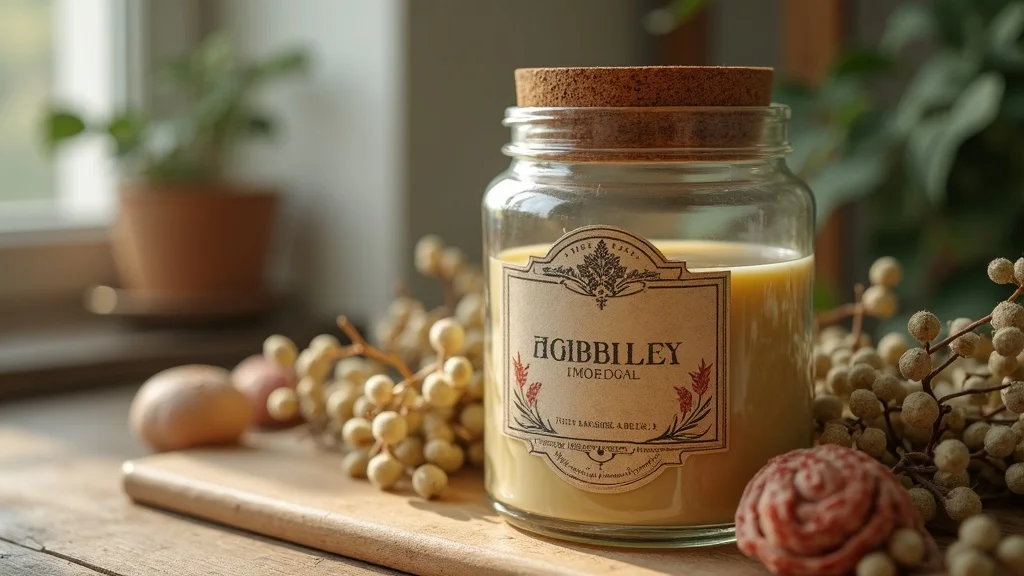
For apothecary decor connoisseurs, authenticity and care matter more than sheer volume. When buying or displaying apothecary jars, check for a few collector’s essentials: cloudy glass suggests genuine vintage; new jars should feature crisp, clear glass and period-appropriate labels if available. Mix labeled and unlabeled jars for a more original, collected feel. Sizing is also crucial—varying heights and shapes look better grouped than uniform silhouettes. Consider where you source your jars: ethical, reputable dealers (local antiques, trusted etsy seller, or specialized online boutiques) should readily answer questions about provenance and safety. Be wary of suspiciously low original price points or “antique” jars with modern patina techniques—common reproduction tricks.
Once you’ve selected jars, invest equally in the right display: give jars room to breathe, and use layered heights with risers or stacked books. Keep labels legible and clean, but avoid aggressive scrubbing that could erase their history. Use personalized advertising touches like handwritten tags, but sparingly—too many can tip your display from collected to chaotic. And always follow safe cleaning practices, especially if using jars for food, tea, or bath bombs.
Apothecary Jars in Home Decor: Starter Sets, Themes, and Display Techniques
Jar Types and How to Use Each in Apothecary Decor Displays
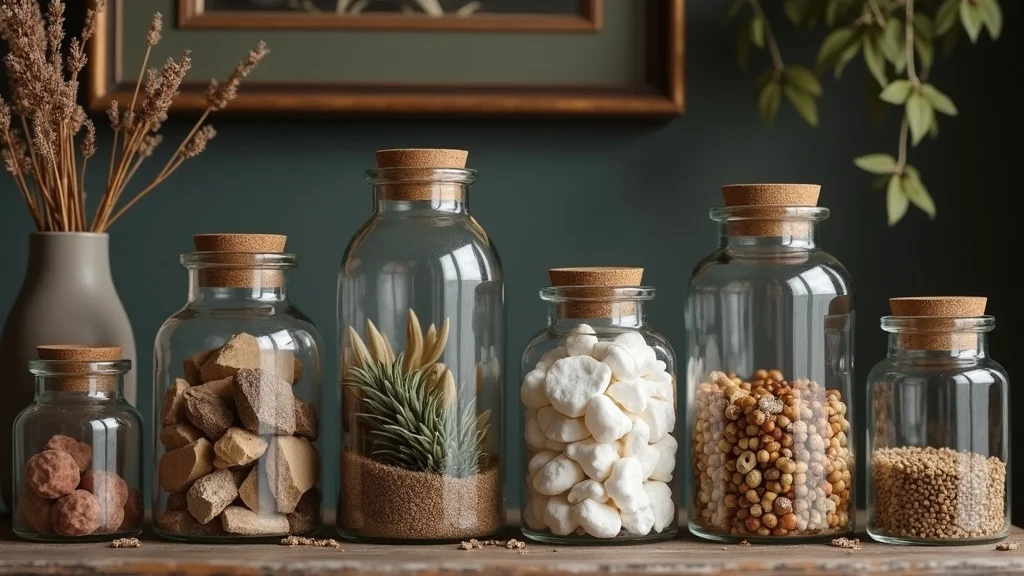
Apothecary jars come in delightful shapes and materials, each bringing a distinct story and function to your home decor. Vintage glass bottles, with their imperfect surfaces and thick bases, offer true old-world charm, making them ideal for display themes rooted in Victorian or dark academia vibes. Modern reproductions, often with sleeker lines and clearer glass, work well in contemporary spaces or when starting your collection. When mixing the two, contrast is key: pair a cloudy, etched vintage apothecary jar with a clear, new bottle, embellishing one with a period label and the other left artfully empty.
Decide: Do you want a botanical shelf brimming with dried herbs and pressed ferns? A lunar display using astrological symbols and moon phase fillers? Or a medical-inspired vignette reminiscent of an old pharmacy? For functional home decor, jars can pull double duty—store flour sack linens, organize tea towel collections, or even hold bath bombs, faux fruit, or candy buffets for a sweet table touch
What to Display in Apothecary Jars? Curated Filler Ideas
- Vintage glass bottles vs. modern reproduction
- Botanical, medical, lunar, or victorian themes
- Key red flags: cloudy glass, modern ‘patina’ tricks
- Safe fillers: dried botanicals, stones, handwritten labels
So, what’s the best way to fill your apothecary jars? The answer lies in your intended vibe
Above all: stay alert to red flags. Vintage bottles with pristine “patina” might be modern, and never use unknown or unsealed jars for edibles or bath products. For themes, a lunar shelf with antique silver faceted ball accents feels magical, while a Victorian collection gets extra points for period typography. Don’t overdo it—curate, don’t cram!
Common Styling Mistakes in Apothecary Decor and How to Avoid Clutter
- Overfilling—less is always more for collected looks
- Mixing too many themes on one shelf—stick to a focused palette
- Skipping label authenticity—how typography and paper change the mood
- Ignoring lighting—how glass and metal can feel flat or magical
- Forgetting about cleaning and display safety rules
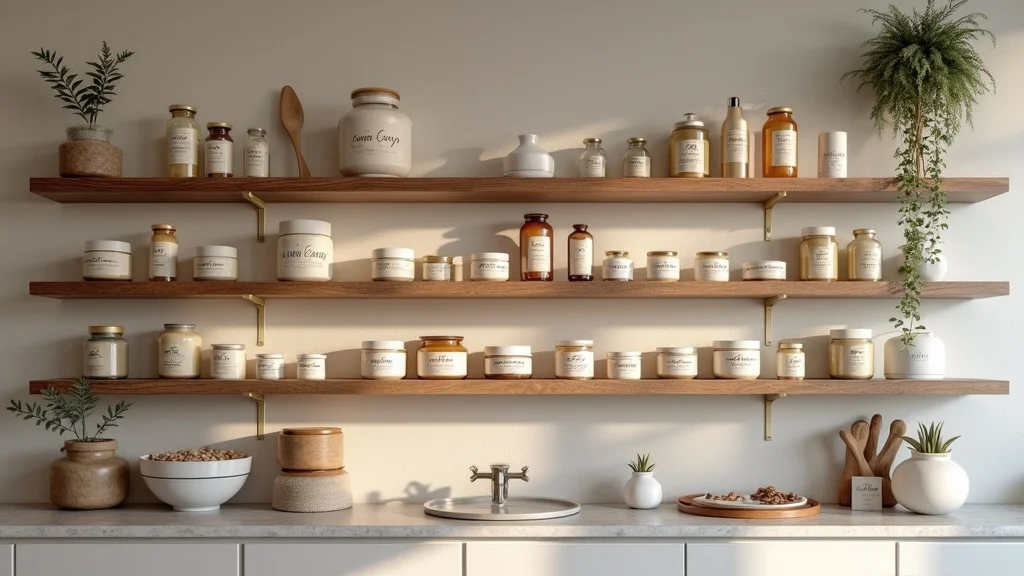
If your apothecary decor shelf is beginning to look more like a store window drop than a curated cabinet, you’re not alone. Among the most common styling errors is overfilling: even gorgeous apothecary jars lose their impact when crammed together. Embrace negative space—just as museums display specimens with room to breathe, use odd-numbered groups and avoid blocking labels or special textures.
Next, beware theme overload. Mixing a lunar moon phase motif with a Victorian medical theme, then topping it off with candy buffets or holiday decor on a single shelf, quickly muddles your “collected” intention. Home decor magic happens when there’s narrative focus—a single color story, cohesive label designs, or a trio of related fillers. Authenticity in labeling matters, too: modern sticker labels jar against antique glass, and paper texture or typography can radically shift the mood (think charm window vs. laboratory study). Good lighting—warm accents, strategic spotlights—transforms a shelf from flat to fascinating. And always, always keep glass clean and secure.
“A collected shelf feels intentional—never accidental. Each apothecary jar should have a story or reason for its place.”
A Simple Styling Framework for Apothecary Decor: Collected, Not Cluttered
The Step-by-Step Styling Formula for Displaying Apothecary Jars at Home
- Start with one focus piece (apothecary jar or bottle)
- Layer in supporting objects—spaced, not crowded
- Use odd numbers for grouping
- Add dimension with risers and labels
- Use personalized advertising cues judiciously
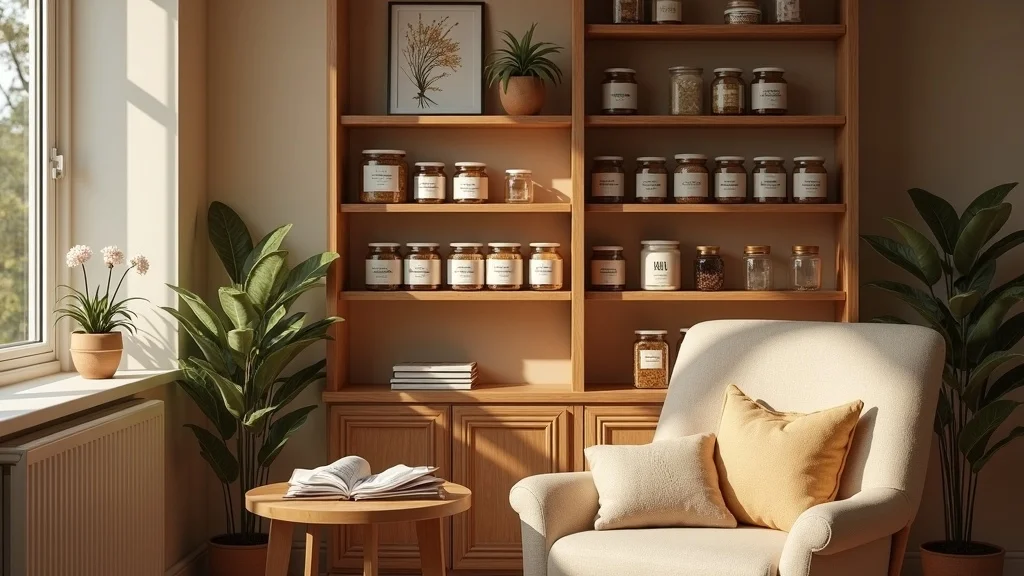
Bring the “collected, not cluttered” philosophy home with a repeatable shelf formula. First, choose a hero piece: maybe a vintage apothecary jar, a striking labeled bottle, or even a thematic anchor like antique silver or a pressed botanical under glass. Build outward in layers, allowing at least two inches between objects—more for large jars. Group in odd numbers (three is the classic sweet table trick), and don’t be afraid of open space for a true museum-style effect.
Use risers—for example, a stack of books, a cake stand, or a small marble slab—to play with shelf heights. As you layer in supporting objects (think faceted ball vases, handwritten recipe cards, or subtle tea towel accents), check the color palette and narrative. Add labels with care: vintage typography and period-correct paper add legitimacy, while modern printables work if styled consistently. Personalized advertising elements (like custom-designed labels or “apothecary shop” logos) can lift your display—but only if used sparingly. Step back between additions to be sure your apothecary decor still feels intentional and restful to the eye.
Beginner Collector Rules: Sourcing, Care & Avoiding Red Flags in Apothecary Decor
- Where to buy authentic apothecary jars for home decor
- How to safely clean and maintain glass and labels
- What NOT to clean aggressively
- Key questions to ask sellers online
- Spotting scam reproductions
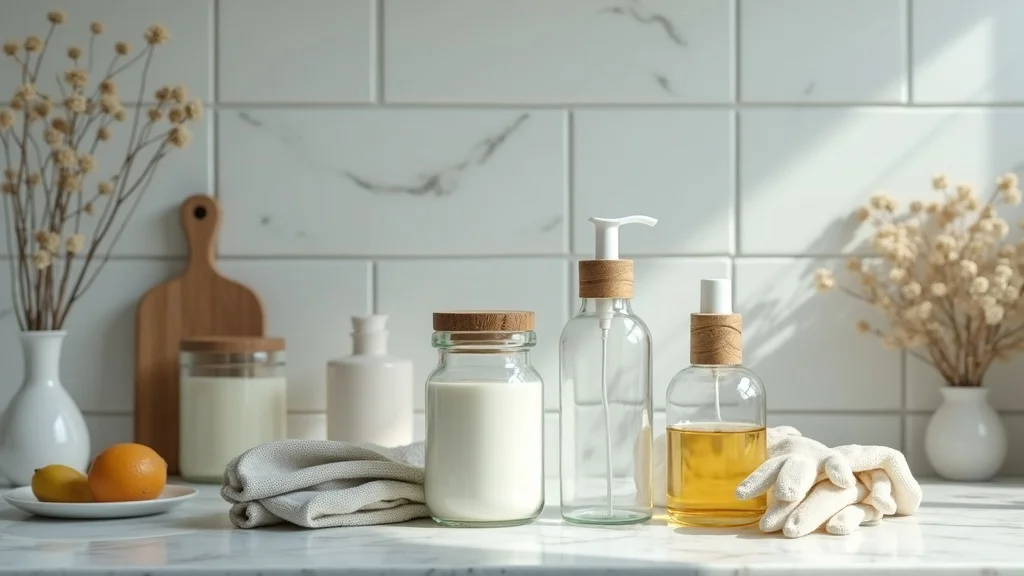
Starting your apothecary decor journey is all about sourcing wisely, cleaning gently, and knowing what questions to ask. Seek out local vintage shops, specialty online retailers, or reputable etsy sellers for authentic jars—never be afraid to ask for close-ups or the story behind a piece. Verify that any original price or sale price matches the item’s apparent age; real vintage glass often shows irregularities, bubbles, or a gentle “cloudiness” from age.
When cleaning, use soft cloths and gentle products—never abrasives or harsh chemicals, especially near labels or etched designs. For jars with loose paper labels, a soft, dry brush is best. Don’t submerge antique jars or expose them to sudden temperature changes; this can cause cracks or destroy fragile glue. If you’re shopping online, quiz sellers about cleaning history and provenance, and look for red flags: “antique-style” jars at mass-produced prices, patina that wipes off, or identical items in bulk. Personalized advertising cues—like custom-printed store needed labels—can enhance, but pay attention to authenticity for that collected feeling.
| Vintage Apothecary Jar | Reproduction (Repro) Jar | |
|---|---|---|
| Material | Thick, cloudy/aged glass; old ceramic; hand-applied labels | Lightweight, clear glass or resin; shiny ceramic; new adhesive |
| Price Range | Higher—reflects history/story | Lower to moderate; mass-produced |
| Cleaning | Very gentle, avoid label area | Handwash or mild dish soap, less label risk |
| Risk Points | Fragile, labels easily damaged, higher original price, unique each time | Bulk supply pattern, fake “patina”, modern fonts on labels, frequent “ad vertisement by etsy seller” |
People Also Ask: Apothecary Decor Questions Answered
What is an apothecary decor?
Apothecary decor is a home decorating style inspired by old-world pharmacies and cabinets of curiosities. It’s about curating glass jars, bottles, and containers—vintage or new—filled with fascinating objects (dried botanicals, bath bombs, faux fruit, etc.), and displaying them with careful organization. The secret lies in restraint and storytelling: each jar serves as a window into your personality, not a stand-in for simple storage.
What is a modern day apothecary called?
Today’s “modern apothecary” often refers to specialty shops, home boutiques, or individuals who create and sell beautifully labeled jars of natural goods, like botanicals, bath bombs, baking staples, or even holiday decor. In your own home, the “apothecary” becomes any shelf or space you fill with hand-chosen jars and personal curiosities (with or without original price tags or etsy seller provenance).
What to display in apothecary jars?
Fill your apothecary jars with items you love and that suit the room: dried flowers or herbs for botanical themes, stones or crystals for a calming vibe, bath bombs or salts in the bathroom, faux fruit or flour sack tags in the kitchen, or even candy for holiday and seasonal decor. The contents should support your chosen aesthetic and remain safe—never use old jars for food unless verified safe.
How to organize a home apothecary?
A well-organized home apothecary display groups jars by theme, size, or function, and leaves breathing room between items. Start with a hero piece, then layer in smaller or themed jars. Use risers or books for height variation, add labels with cohesive typography, and carefully spotlight key items with accent lighting or a charm window drop for effect. Clean and rotate the display regularly for best results.
FAQs About Apothecary Decor for Home
- Is apothecary decor safe for homes with kids or pets? Yes—with a few cautions. Avoid jars with sharp or broken edges, and keep fragile or heavy bottles out of reach. Only store non-toxic, child-safe fillers (no real chemicals, please!) and secure shelves against tipping.
- Where can I find labels or printable templates for apothecary jars? Many online shops (think etsy seller) offer downloadable vintage labels and templates. Look for period-correct fonts and designs for best results. You can also make your own with parchment-style paper and archival pens.
- What themes work best for different rooms? Botanical and herbal themes suit kitchens and bathrooms; lunar or gothic works for bedrooms or libraries; sweet table jars brimming with candy add a whimsical touch to holiday and seasonal decor in living spaces.
- How can I personalize my apothecary decor without overdoing it? Add one or two custom labels, a handwritten tag, or a small advertising motif. Don’t overwhelm—choose accent pieces that have meaning or story value rather than filling every empty spot.
- What is the best lighting for glass and ceramic displays? Soft, indirect daylight, strategic accent lights, and spotlights angled from above or behind bring out the best in glass textures and label detail. Avoid harsh overhead lights that flatten reflections.
Key Takeaways for Your Apothecary Decor Journey
- Focus on intention—choose each apothecary jar or item with care
- Embrace open space and focused themes to avoid clutter
- Prioritize cleaning and display safety for long-lasting beauty
- Use labels and personalized advertising touches to add story, not chaos
Ready to Curate? Start Your Apothecary Decor Collection
If you’re feeling inspired by the “collected, not cluttered” philosophy of apothecary decor, now’s the perfect time to start. Whether you’re drawn to vintage glass, modern reproductions, or unique themes (botanical, lunar, gothic, or holiday and seasonal), let your curiosity and eye for detail lead the way. Save this checklist and begin building a cabinet of curiosities that reflects your own story and style—one artful apothecary jar at a time.