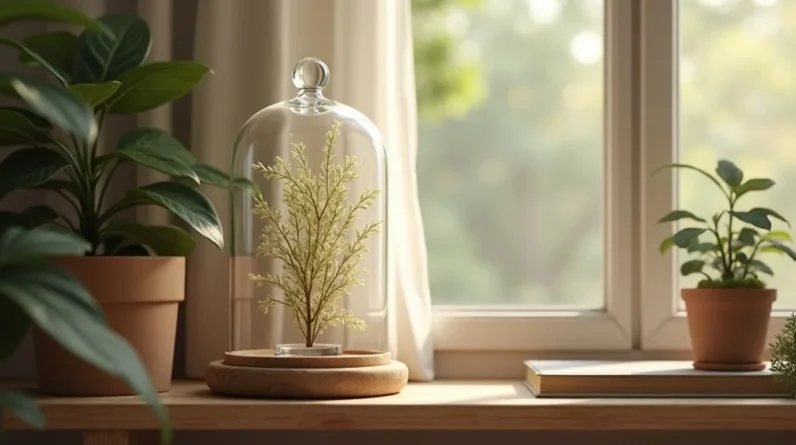


Did you know: Even a few specs of dust left on a vintage specimen can attract pests and cause permanent damage within weeks? Whether you collect glass domes, taxidermy, or antique keys, every curiosity on your shelf tells a story—and every story deserves to be preserved
A Curator’s Introduction to Oddities Care and a Shelf Full of Stories
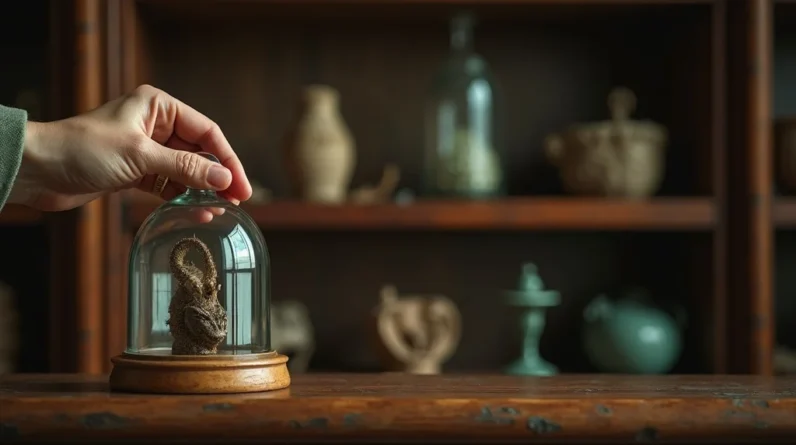
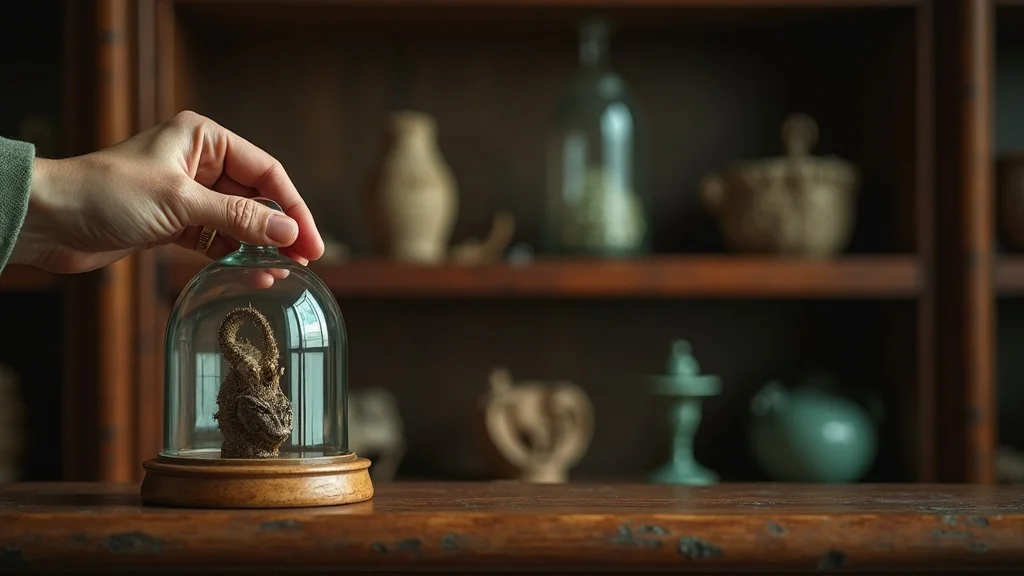
Picture a warmly lit study, a hand gently lowering a vintage glass dome over a mysterious artifact—a fossil, perhaps, or an antique apothecary bottle. Each piece, perfectly placed on an earthy wooden shelf, sparks a quiet thrill of discovery. Oddities care begins here: in the delicate intersection of preservation, storytelling, and responsible display. Every collector’s shelf—from beginner to expert—is a living curation of natural wonders, historical fragments, and personal mementos. But with every display comes the responsibility to protect these items from dust, light, accidental mishandling, and even curious visitors.
The goal of oddities care is more than just cleanliness—it’s about creating a safe, enduring “cabinet vibe” that blends intention with aesthetics. Whether you’re drawn to dark academia, modern gothic, or Victorian study themes, the right care solidifies your shelf as both conversation piece and archive. This guide will walk you through the secrets behind each glass dome and cloche, the importance of choosing the right jars, and the ethical standards that turn curiosity into legacy. Read on to protect, style, and celebrate your collection, big or small.
What You’ll Learn in This Oddities Care Guide
- Quick definitions: oddities, curiosities, ‘cabinet vibe’, glass dome, cloche
- How to evaluate & maintain different types of oddities
- Checklist: What to dust, what to leave alone, and what can be damaged fast in oddities care
- Overview of jar types for display and their pros/cons
- Beginner-friendly collecting rules, spotting reproductions vs. vintage, and red flags
- Ethics, authenticity, and safety in oddities care and display
Defining Oddities and Curiosities: What is Oddities Care?
“When you care for a collection, you’re preserving histories—both natural and personal.”
Oddities are unique, often rare artifacts or specimens—think animal skulls, taxidermy, antique scientific instruments, pressed botanicals, or medical antiques—while curiosities span anything acquired for its unusual, historical, or aesthetic intrigue. The world of oddities care is part science lab, part treasure chest: it involves assessing, maintaining, and displaying these items with an eye for preservation and a sense of wonder.
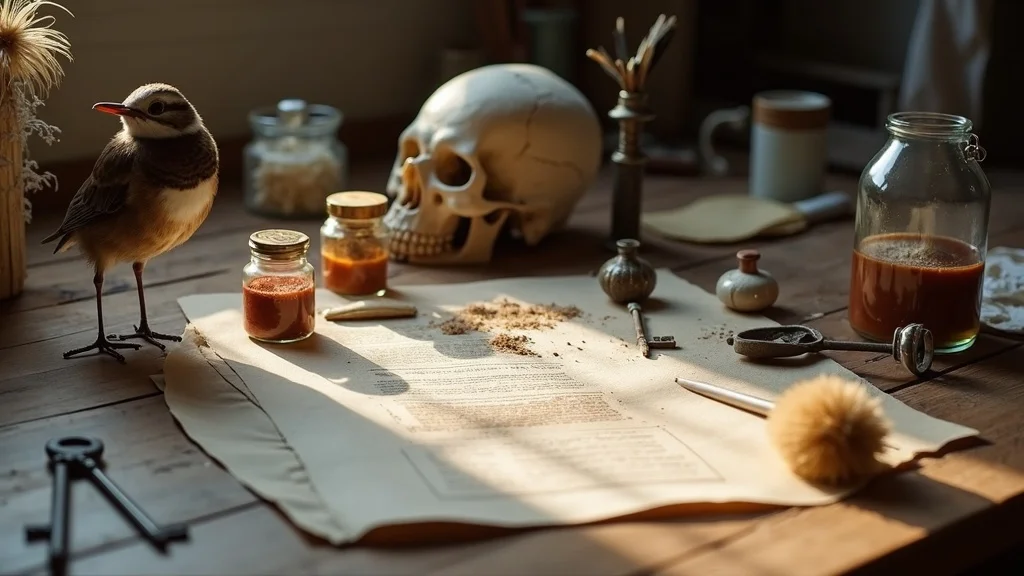
The backbone of proper oddities care is knowing what materials you have (glass, bone, metal, paper, resin), how light, humidity, and oils from your fingers may affect them, and when to use a feather duster, soft brush, or gloves. Improper care—like leaving a taxidermy bird in direct sunlight, using strong cleaning sprays, or mishandling vintage glass domes—can turn “collected” into “cluttered, faded, or even hazardous” overnight. By following expert advice and ensuring ethical sourcing and display safety, collectors safeguard not only the physical item, but its narrative and value for years to come.
Oddities Care Quick Reference Table: What to Dust, What to Leave Alone
| Object | Dust Often | Handle With Gloves | Avoid Direct Sunlight | Never Submerge | Best Tool |
|---|---|---|---|---|---|
| Glass Dome / Cloche | ✓ | Optional | ✓ | ✓ | Microfiber / Feather Duster |
| Apothecary Jar / Bottle | ✓ | Optional | ✓ | ✓ | Soft Cloth |
| Bones / Skulls | ✓ | ✓ | ✓ | ✓ | Artist’s Brush |
| Metal Objects | ✓ | Optional | ✓ | ✓ | Lint-Free Cloth |
| Taxidermy | Rarely | ✓ | ✓ | ✓ | Soft Brush Only |
| Papers / Ephemera | Never | ✓ | ✓ | ✓ | N/A (Use Archival Mat for Display) |
| Insect Specimens | Never (Closed Case) | ✓ | ✓ | ✓ | N/A (Display Sealed) |
Oddities Care Checklist: Avoiding Common Mistakes and Damage
Caring for your oddities collection means knowing where urgency, patience, and intuition each have a place. Here’s a quick checklist to keep your finds safe:
- Dusting methods for jar displays and delicate specimens: Use a feather duster or soft brush on glass domes and closed jars. Remove lint or specs of dust with gentle, dry microfiber, never wet wipes.
- Handling guidelines for glass domes and fragile materials: Always lift a glass dome with both hands—oils from your fingers can leave marks or cause slippage. For taxidermy and bones, use cotton gloves and avoid frequent movement to prevent wear.
- Which props, fillers, and labels can react with oddities: Some adhesives, plastics, and even paper props can off-gas or “bleed” onto vintage glass or metals. Archival-quality labels and acid-free paper are a good idea to check before introducing new items.
- Red flags: Flaking paint, loose wires, improper mounting: These signs call for urgent care; repair or remove damaged mounts asap when moving or cleaning.
- Signs of inauthentic or unsafe oddities: Watch for inside and unhatched eggs in old jars, small black insect casings (could indicate pests), or fur are signs of prior bug bomb or chemicals. If in doubt, avoid insects and consult a conservator.
Types of Jars in Oddities Care: How to Display and Store Your Finds
Display Options: Glass Dome, Cloche, Apothecary Bottle, and More
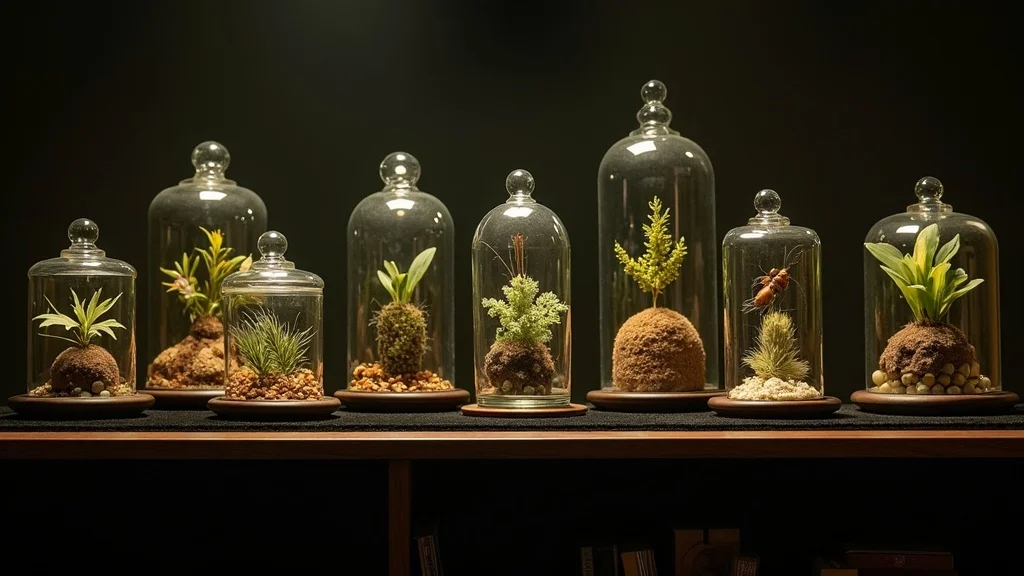
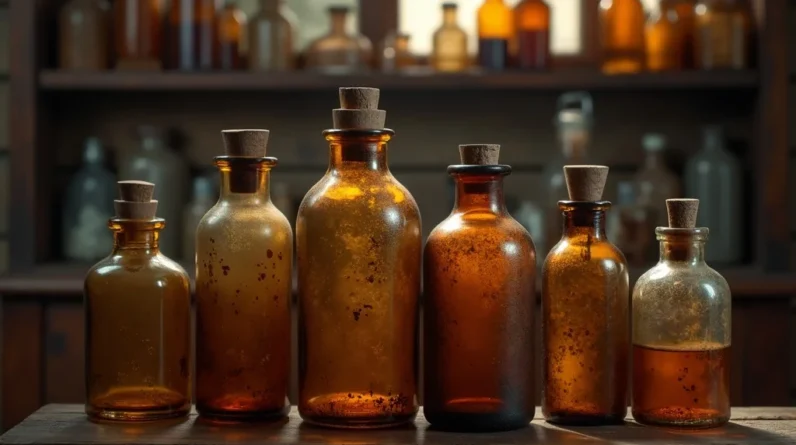
- Best uses for each jar type: Glass domes are ideal for dry items (bones, minerals), while apothecary bottles protect preserved specimens from exposure to light and air. Cloches create “tiny exhibits” for single, statement pieces.
- Labeling, props, and separators: Use soft mounts or archival pads to prevent rolling or scratching. Keep modern gothic and apothecary styling clean—limit fillers to natural fibers, dried moss, or acid-free paper labels.
- Styling tips: Curate a few statement jars on a dark shelf for maximum impact. Use amber bottles or frosted glass for a Victorian apothecary feel, and always space jars to avoid accidental bumps or temperature shifts.
Beginner Oddities Care: Collector Rules, Red Flags, and Starter Set Ideas
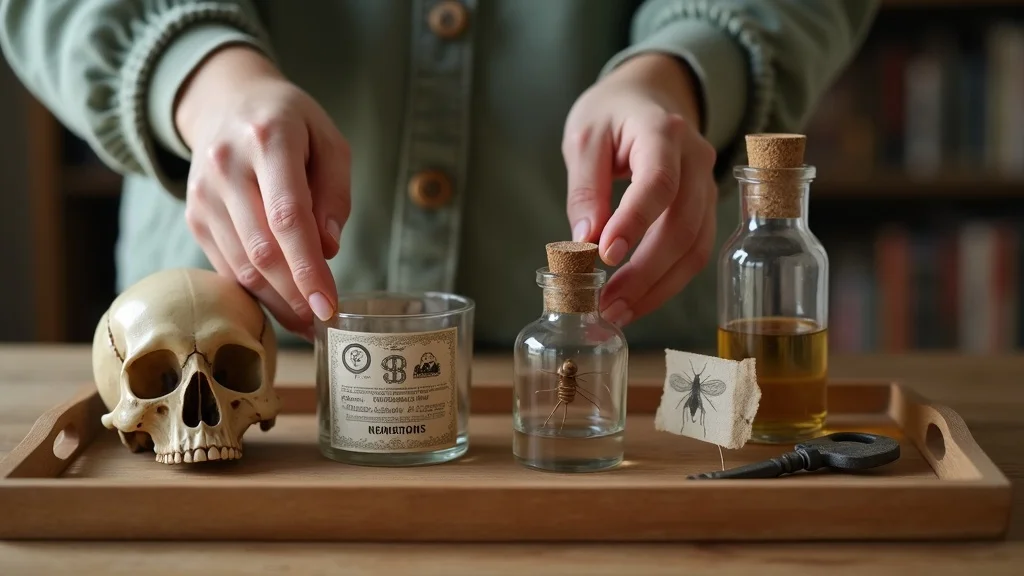
- Essential handling and cleaning dos & don’ts: Dust glass domes and jars every few days at minimum, using only dry, soft tools. Never submerge or spray oddities, even if they look sturdy.
- Starter set items: For a “collected, not cluttered” look, begin with a glass dome, a labeled bottle, a replica skull, and a Victorian key. Fewer well-placed objects beat crowded shelves every time.
- Spotting reproduction vs. vintage: Examine glass—look for hand-blown unevenness or air bubbles for vintage, and patina or aged glue on labels. Modern reproductions often have laser-etched detail or uniform seams. If labels look too crisp, it’s a good idea to check provenance or ask the seller for close-up photos.
Museum-Style Oddities Care: Lighting, Labels, and Safe Display Techniques
Lighting for Glass and Metal Oddities Displays
- Best light sources: Choose LED or diffused, indirect lighting for glass domes, jars, and metal objects. Avoid UV-heavy bulbs and keep displays out of direct sunlight to prevent fading or warping.
- Preventing damage: Excessive light and environmental exposure to light and heat can degrade organic and metallic objects, especially those under glass domes. For fragile items, room temperature naturally fluctuates less in shaded, north-facing rooms.
Creating Labels and Thematic Boards for Oddities Care
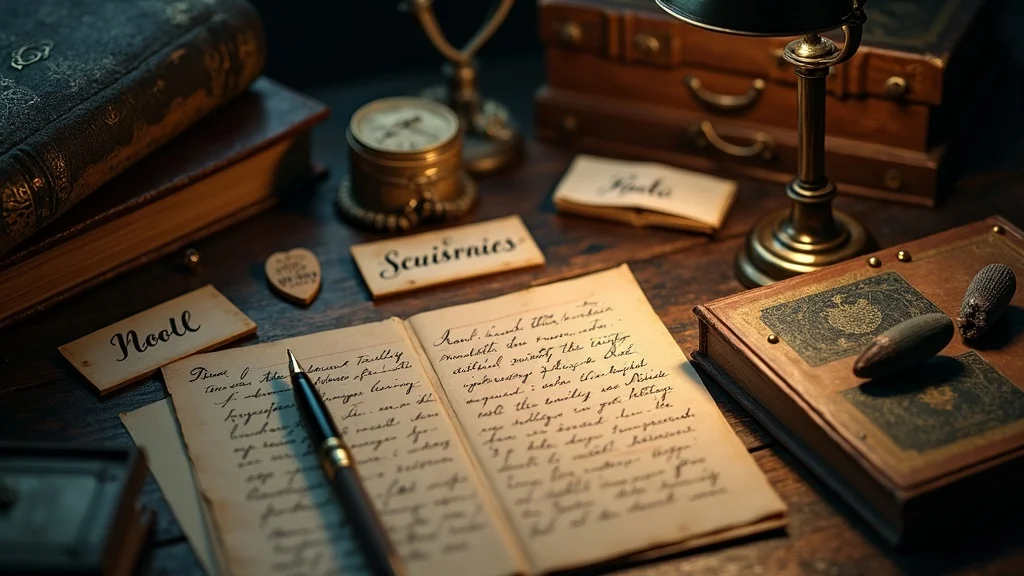
- Typography and paper for labeling: Use cream parchment or textured cotton paper for tags; handwrite or print in antique-style fonts for authenticity. Secure labels with archival glue or museum putty.
- Theme boards: Organize oddities by style—a medical, botanical, lunar, nautical, or dark academia vibe shapes your collection visually and tells a cohesive story. A mood board above your display can help you build your collection intentionally—and ethically.
Oddities Care Video Tutorial: Styling, Cleaning, and Display Tips
Explore this video demonstration for a hands-on guide: watch as gloved hands carefully clean a glass dome, brush away dust from jars, pin a delicate specimen, and artfully arrange objects beneath correct lighting. Follow the steps to remove lint, prevent accidental shifting, and create a miniature cabinet of curiosities right at home.
Specimen-Style Oddities Care: Frames, Domes, and Archival Approaches
- Archival mounting: Use frames, glass domes, and shadowboxes with acid-free mounts and spacers for insect and botanical specimens. Avoid adhesives or tapes that aren’t museum-grade.
- Materials and spacing: Natural cotton, linen, and archival board prevent chemical reactions. Don’t crowd frames—air flow and restraint are key to long-term preservation.
- Restraint: Less is often more in oddities care. Showcasing a few well-preserved items in a thoughtful arrangement makes your collection feel intentional, not overwhelming.
People Also Ask: What Are Some Popular Oddities to Collect?
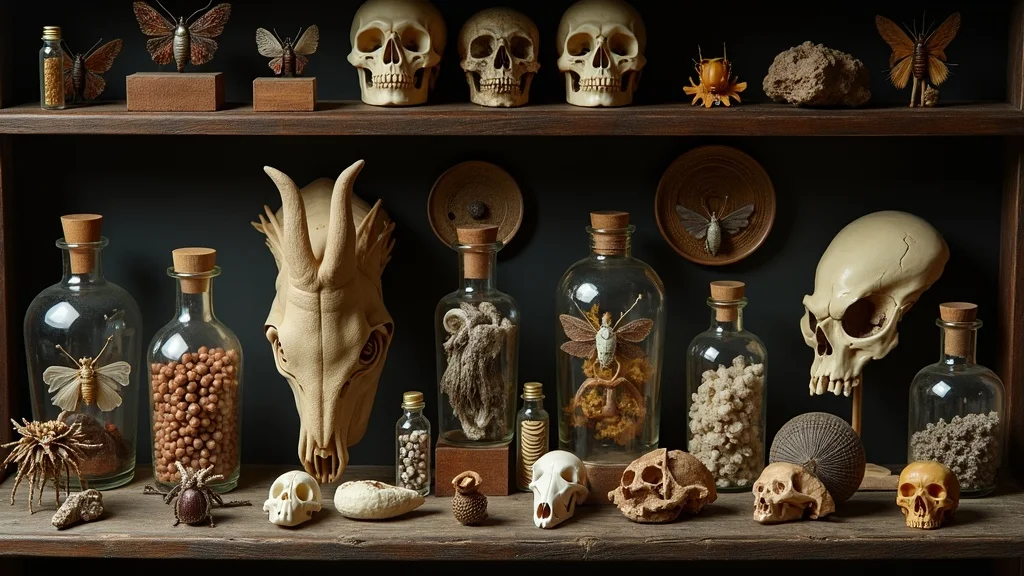
Collectors are drawn to all sorts of fascinating items. Popular oddities include butterfly or beetle specimens under glass domes, antique pharmacy bottles, animal skulls, fossils, medical ephemera, and even vintage keys or anatomical models. The trick is to not just put inside any old object, but rather to select pieces that both intrigue and harmonize together, respecting authenticity and ethical sourcing. Modern oddities often blend the scientific with the mysterious, making for eye-catching but meaningful displays.
People Also Ask: What Are Oddities and Curiosities?
Oddities and curiosities are rare, unusual, or enigmatic artifacts, specimens, and collectibles. “Oddities” often refer to natural specimens (bones, insects, fossils), taxidermy, or preserved animal parts, while “curiosities” can include historical or scientific artifacts, vintage bottles, or medical tools. The appeal lies in their story, rarity, and the glimpse each item provides into nature or history. Proper oddities care involves preservation, safe display, and ongoing maintenance.
FAQs: Oddities Care and Cleaning
- How often should I clean my oddities display?
Clean glass domes and jars every few days at minimum, lightly dusting surfaces with a soft, dry microfiber or feather duster. Sensitive items like taxidermy or antique paper should be disturbed as little as possible; a light dusting every few weeks is sufficient if the environment is stable. - What cleaning products are safe for glass domes and jars?
Stick to dry microfiber, feather dusters, or artist’s brushes for most surfaces. Avoid sprays, wet wipes, or harsh cleaners; these can leave streaks or introduce unwanted moisture. For particularly stubborn marks on glass domes, a barely dampened cloth with distilled water can be used, followed by immediate drying. - Are there special ways to handle taxidermy and antique oddities?
Use cotton gloves to prevent oils from your fingers transferring onto fur, feathers, or fragile bones. Don’t pick up taxidermy by limbs or protruding parts, and avoid exposure to light, environmental fluctuations, or insecticidal products like bug bomb and leave the item in a safe, stable setting. - How can I tell if an oddity is a reproduction or authentic?
Inspect labels, patina, and construction method. Authentic items often show hand-cut or uneven details, old adhesive, or a certain wear on glass domes, while modern pieces look more uniform or too “clean”. It’s a good idea to check for provenance or request more detailed images before buying online. - How do I safely introduce new items to my collection?
Quarantine new oddities for several days at minimum in a separate, dust-free spot. Check for pests, mold, or chemical smells. Lightly vacuuming around the area and handling with gloves will help avoid insects or contaminants from spreading to your established collection.
Key Takeaways: The Collected, Not Cluttered Philosophy in Oddities Care
- Oddities care is about preservation, intention, and display safety.
- Use a checklist to avoid common mistakes and protect fragile items.
- Choose the right jars, glass domes, and labels for a unique style.
- Less is more: curate vignettes rather than crowd shelves.
- Trust your eye—and your ethics—when building a collection.
If You’re Building a Cabinet Vibe, Save This Checklist for Future Oddities Care
Keep this guide handy as you build your curiosity shelf. For the “collected, not cluttered” look, revisit these tips often—your oddities will thank you.